การคัดเลือกโดย Seedsun
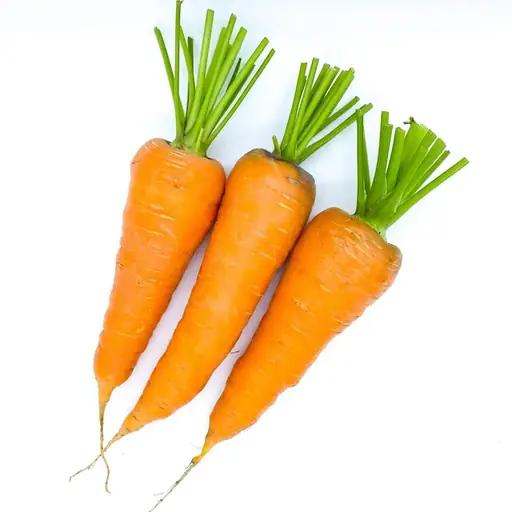
紅蘿蔔 新黑田五吋 Seeds for Garden Planting
ขอใบเสนอราคาที่ปรับแต่งให้เหมาะสมกับความต้องการของคุณ

รหัสสินค้า: G2052
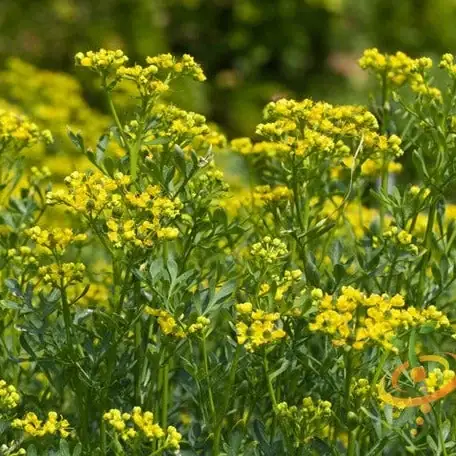
Rue: The Bitter Herb with Ancient Roots Rue is a distinctive perennial herb with a long history in gardens and traditional medicine. With its finely divided, blue-green foliage and small yellow flowers, rue adds textural interest to herb gardens while offering unique culinary and medicinal.
ราคา ขนาดบรรจุภัณฑ์ และความพร้อมจำหน่ายจะได้รับการยืนยันในใบเสนอราคาส่วนบุคคลของคุณ การส่งคำสอบถามไม่ได้หมายถึงการสั่งซื้อและชำระเงินเรียบร้อยแล้ว
Rue is a distinctive perennial herb with a long history in gardens and traditional medicine. With its finely divided, blue-green foliage and small yellow flowers, rue adds textural interest to herb gardens while offering unique culinary and medicinal applications. This hardy plant thrives in poor soil where many other herbs struggle, making it an excellent choice for low-maintenance gardening.
Rue is known for its intensely bitter flavor and pungent aroma—qualities that make it a specialty ingredient rather than an everyday herb. Small amounts of fresh or dried rue leaves add complexity to certain dishes, particularly in Mediterranean and Middle Eastern cuisines. The herb has been used traditionally for centuries in various cultural practices and folk remedies, though modern use is more limited and cautious due to its potency.
Beyond culinary applications, rue is valued by gardeners for its ornamental qualities. The delicate, feathery foliage creates an airy texture in herb beds, and the bright yellow flowers attract pollinators. Rue is also remarkably hardy and drought-tolerant once established, requiring minimal care and thriving in conditions that challenge other plants.
Rue prefers full sun and well-draining soil—in fact, it performs best in poor to average soil and actually struggles in overly rich conditions. Plant seeds indoors 6-8 weeks before your last frost, or direct-seed outdoors after frost danger passes. Space plants 18-24 inches apart to allow room for the plant's spreading growth habit.
Water sparingly once established; rue is drought-tolerant and prefers dry conditions to wet soil. Avoid fertilizing, as this encourages weak, leggy growth. Rue is a perennial in most climates and will return year after year with minimal intervention.
Harvest rue leaves in the morning after dew dries, pinching off young growth to encourage bushier plants. Use rue sparingly in cooking—a small leaf or two adds distinctive flavor to vinegars, oils, and certain traditional dishes. Many gardeners grow rue primarily for its ornamental and historical value rather than frequent culinary use.
Rue represents a different kind of herb garden plant—one valued for its resilience, beauty, and connection to gardening traditions rather than everyday kitchen use.
Rue is a distinctive perennial herb with blue-green, finely divided foliage and a unique, pungent flavor. This ancient plant has been cultivated for centuries and holds significance in both culinary and ornamental gardening. With its attractive appearance and aromatic qualities, rue adds character to any herb garden, though its strong taste means a little goes a long way in the kitchen.
Rue thrives in well-draining soil and full sun, preferring lean, even poor soil conditions. Plant it in a location that receives at least six hours of direct sunlight daily for optimal growth and foliage color. The herb is extremely drought-tolerant once established and requires minimal water, making it perfect for gardeners in arid regions or those seeking hardy, self-sufficient plants.
Space rue plants about 18 inches apart to accommodate their spreading growth habit. This herb is hardy in most climates and can be grown as a perennial in cooler regions. Rue typically reaches 24 to 36 inches in height and produces small, yellow flowers that attract pollinators. The plant's distinctive blue-green leaves provide visual interest even when not in bloom.
Begin harvesting rue leaves once the plant is well-established, typically in mid-summer. Pinch off sprigs carefully, as the plant's oils can cause skin sensitivity in some individuals. Fresh rue leaves can be used sparingly in cooking, while dried rue stores well in a cool, dark place for extended periods.
Rue has a bold, bitter flavor and should be used judiciously in the kitchen. It pairs well with Mediterranean dishes, cheese-based recipes, and traditional preparations. A small amount of rue adds depth and complexity to vinegars, oils, and herb blends. Many gardeners grow rue primarily for its ornamental value and historical significance rather than culinary use.
Water rue sparingly, allowing the soil to dry completely between waterings. This herb strongly dislikes wet conditions and overwatering can quickly lead to root rot. Rue requires no fertilization and actually performs better in poor soil. Prune back the plant in spring to maintain a neat, compact shape and remove any winter-damaged growth.
In colder climates, rue is naturally hardy and requires no special winter protection. With minimal care and attention, rue will thrive for years, providing both visual appeal and a unique addition to your herb collection.
ขอใบเสนอราคาที่ปรับแต่งให้เหมาะสมกับความต้องการของคุณ
ขอใบเสนอราคาที่ปรับแต่งให้เหมาะสมกับความต้องการของคุณ
ขอใบเสนอราคาที่ปรับแต่งให้เหมาะสมกับความต้องการของคุณ
ขอใบเสนอราคาที่ปรับแต่งให้เหมาะสมกับความต้องการของคุณ
คำถามและการอภิปราย