
The Seedsun selection
Rue seeds for Garden Planting
SKU: G2052
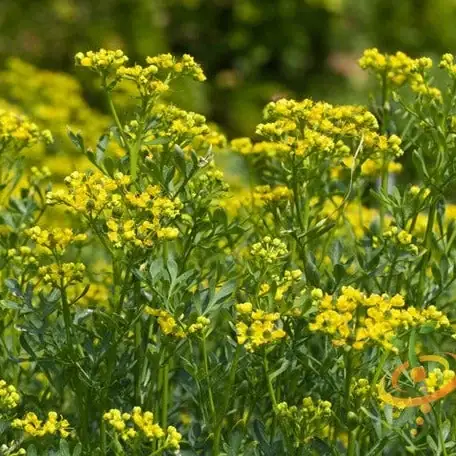
Rue: The Bitter Herb with Ancient Roots Rue is a distinctive perennial herb with a long history in gardens and traditional medicine. With its finely divided, blue-green foliage and small yellow flowers, rue adds textural interest to herb gardens while offering unique culinary and medicinal.
Ask for a tailored quote
Pricing, pack sizes and availability are confirmed in your personal quotation. Sending an enquiry does not place a paid order.
Ask about suitability, sowing and growing requirements.
Confirm delivery options and required documents in your quote.
About this variety
Rue: The Bitter Herb with Ancient Roots
Rue is a distinctive perennial herb with a long history in gardens and traditional medicine. With its finely divided, blue-green foliage and small yellow flowers, rue adds textural interest to herb gardens while offering unique culinary and medicinal applications. This hardy plant thrives in poor soil where many other herbs struggle, making it an excellent choice for low-maintenance gardening.
Understanding Rue's Unique Character
Rue is known for its intensely bitter flavor and pungent aroma—qualities that make it a specialty ingredient rather than an everyday herb. Small amounts of fresh or dried rue leaves add complexity to certain dishes, particularly in Mediterranean and Middle Eastern cuisines. The herb has been used traditionally for centuries in various cultural practices and folk remedies, though modern use is more limited and cautious due to its potency.
Beyond culinary applications, rue is valued by gardeners for its ornamental qualities. The delicate, feathery foliage creates an airy texture in herb beds, and the bright yellow flowers attract pollinators. Rue is also remarkably hardy and drought-tolerant once established, requiring minimal care and thriving in conditions that challenge other plants.
Growing Rue Successfully
Rue prefers full sun and well-draining soil—in fact, it performs best in poor to average soil and actually struggles in overly rich conditions. Plant seeds indoors 6-8 weeks before your last frost, or direct-seed outdoors after frost danger passes. Space plants 18-24 inches apart to allow room for the plant's spreading growth habit.
Water sparingly once established; rue is drought-tolerant and prefers dry conditions to wet soil. Avoid fertilizing, as this encourages weak, leggy growth. Rue is a perennial in most climates and will return year after year with minimal intervention.
Harvesting and Using Rue
Harvest rue leaves in the morning after dew dries, pinching off young growth to encourage bushier plants. Use rue sparingly in cooking—a small leaf or two adds distinctive flavor to vinegars, oils, and certain traditional dishes. Many gardeners grow rue primarily for its ornamental and historical value rather than frequent culinary use.
Rue represents a different kind of herb garden plant—one valued for its resilience, beauty, and connection to gardening traditions rather than everyday kitchen use.
What Is Rue?
Rue is a distinctive perennial herb with blue-green, finely divided foliage and a unique, pungent flavor. This ancient plant has been cultivated for centuries and holds significance in both culinary and ornamental gardening. With its attractive appearance and aromatic qualities, rue adds character to any herb garden, though its strong taste means a little goes a long way in the kitchen.
Growing Rue in Your Garden
Rue thrives in well-draining soil and full sun, preferring lean, even poor soil conditions. Plant it in a location that receives at least six hours of direct sunlight daily for optimal growth and foliage color. The herb is extremely drought-tolerant once established and requires minimal water, making it perfect for gardeners in arid regions or those seeking hardy, self-sufficient plants.
Space rue plants about 18 inches apart to accommodate their spreading growth habit. This herb is hardy in most climates and can be grown as a perennial in cooler regions. Rue typically reaches 24 to 36 inches in height and produces small, yellow flowers that attract pollinators. The plant's distinctive blue-green leaves provide visual interest even when not in bloom.
Harvesting and Using Rue
Begin harvesting rue leaves once the plant is well-established, typically in mid-summer. Pinch off sprigs carefully, as the plant's oils can cause skin sensitivity in some individuals. Fresh rue leaves can be used sparingly in cooking, while dried rue stores well in a cool, dark place for extended periods.
Rue has a bold, bitter flavor and should be used judiciously in the kitchen. It pairs well with Mediterranean dishes, cheese-based recipes, and traditional preparations. A small amount of rue adds depth and complexity to vinegars, oils, and herb blends. Many gardeners grow rue primarily for its ornamental value and historical significance rather than culinary use.
Caring for Your Rue Plants
Water rue sparingly, allowing the soil to dry completely between waterings. This herb strongly dislikes wet conditions and overwatering can quickly lead to root rot. Rue requires no fertilization and actually performs better in poor soil. Prune back the plant in spring to maintain a neat, compact shape and remove any winter-damaged growth.
In colder climates, rue is naturally hardy and requires no special winter protection. With minimal care and attention, rue will thrive for years, providing both visual appeal and a unique addition to your herb collection.
- Needs full sun to grow well
- It is drought tolerant and rarely, if ever needs to be watered
- Rue has a long history of use as a domestic remedy, being especially valued for its strengthening action on the eyes
- The plant contains flavonoids that reduce capillary fragility, which might explain the plants reputation as an eye strengthener.
- Days to Maturity | 75 days
⚠️ **Warning** Although rue is safe when used correctly, it is considered a toxic herb that can cause side effects such as severe rashes, mood swings, sensitivity to light, stomach pains, dizziness, liver and kidney damage, sleep disorders & muscle spasms. Follow 's board Rue on Pinterest.
More to discover
The Seedsun selection
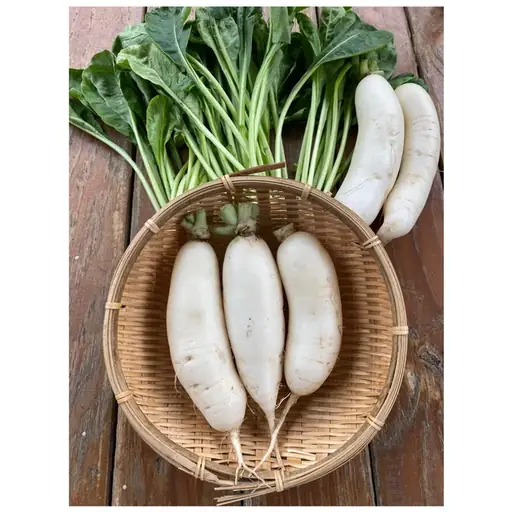
White radish short-leaf thirteen (for pesticide application) Seeds for garden planting
Ask for a tailored quote
The Seedsun selection
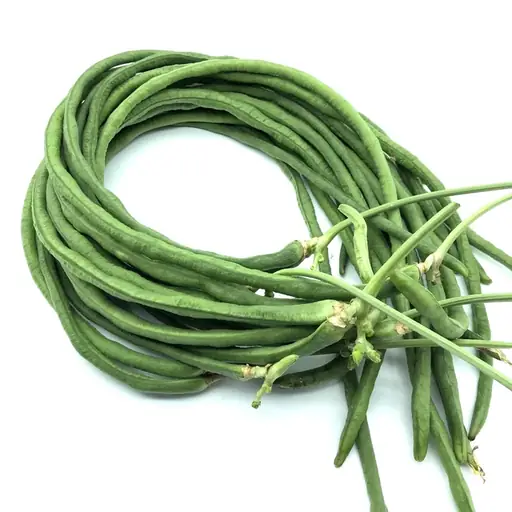
Green beans, golden mountain white beans (for medicinal purposes) Seeds for garden planting
Ask for a tailored quote
Questions & discussion