
The Seedsun selection
Styrax americanus
SKU: STYR-AMER-01G
American snowbell is one of the quiet delights of the Southeastern wetlands, usually a graceful multi-stemmed deciduous shrub, though the plant can be trained up into a small single-trunked tree. Along streamsides and in low, wet ground from the coastal plain through the interior South, the shrub.
Ask for a tailored quote
Pricing, pack sizes and availability are confirmed in your personal quotation. Sending an enquiry does not place a paid order.
Ask about suitability, sowing and growing requirements.
Confirm delivery options and required documents in your quote.
About this variety
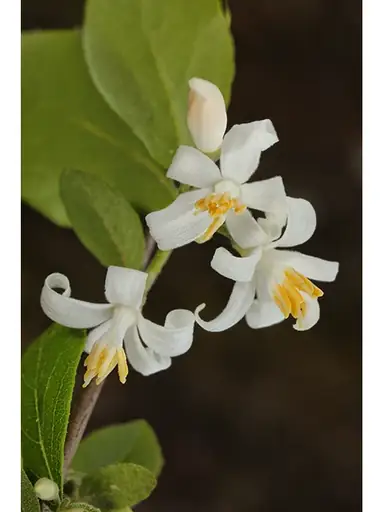
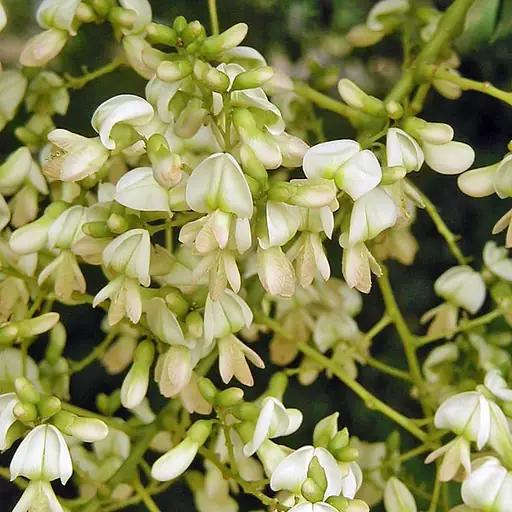
American snowbell is one of the quiet delights of the Southeastern wetlands, usually a graceful multi-stemmed deciduous shrub, though the plant can be trained up into a small single-trunked tree. Along streamsides and in low, wet ground from the coastal plain through the interior South, the shrub carries slender branches that hang, in spring, with rows of small, bell-shaped white flowers, faintly fragrant and nodding on fine stalks so the whole plant seems trimmed in tiny lanterns.
A member of the storax family, Styracaceae, American snowbell keeps company with the silverbells, the snowbells, and the rare jacktree. The genus name Styrax is the classical word for the trees that yielded storax and benzoin, the fragrant balsamic resins burned as incense since antiquity, though those resins come from tropical relatives rather than from this hardy native. What the American snowbell offers instead is the spring show of bells and an easy, adaptable temperament.
Though the shrub grows wild in wet places, American snowbell settles happily into ordinary garden ground given good soil and ample moisture, thriving in sun or shade and flowering most freely in the sun. The small white flowers draw bees and other early pollinators, and the fine, layered branching gives a light, airy presence well suited to the smaller garden. Some plants in cultivation may belong to the powdery-leaved variety, Styrax americanus var. pulverulentus.
Use American snowbell at a pond edge, in a rain garden, along a shaded woodland path, or in a mixed border where the hanging spring flowers can be met at close range. Pair with ferns, native azaleas, and other moisture-loving companions, give a moist, well-drained, acid soil, and site where a passerby can look up into the bells. A refined, well-mannered native for the water's edge and the shade garden alike.
More to discover
Questions & discussion