
The Seedsun selection
Sorghum nigricans Zebra Compact Cover Crops & Grass Seeds
SKU: 78170-1
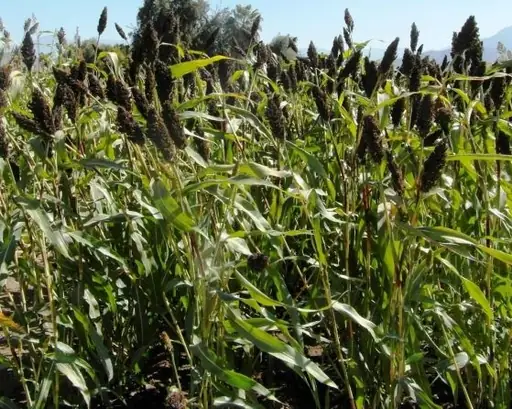
The Sorghum Nigricans Zebra Compact is a meticulously profiled variant of the Sorghum species, offering both aesthetic appeal and predictable growth dynamics. Its technical profile ensures it’s a favorable choice for professional horticulturists and research applications. Scientific Name: Sorghum.
Ask for a tailored quote
Pricing, pack sizes and availability are confirmed in your personal quotation. Sending an enquiry does not place a paid order.
Ask about suitability, sowing and growing requirements.
Confirm delivery options and required documents in your quote.
About this variety
The Sorghum Nigricans Zebra Compact is a meticulously profiled variant of the Sorghum species, offering both aesthetic appeal and predictable growth dynamics. Its technical profile ensures it’s a favorable choice for professional horticulturists and research applications.
- Scientific Name: Sorghum Nigricans Zebra Compact
- Family: Poaceae
- Origin: Genetically derived variant of native Sorghum species.
Morphological Characteristics:
- Growth Habit: Compact, erect growth pattern.
- Height: Generally restricted due to its compact genetics, precise height varies based on cultivation conditions.
- Leaves: Distinctive zebra-striped patterns, alternating dark and light bands. Linear-lanceolate with a smooth texture.
Growth Requirements:
- Zone Hardiness: Adaptable to a wide range of climates, specific zone details would need local expertise.
- Light: Prefers full sun to partial shade. A minimum of 6-8 hours of direct sunlight is recommended for optimal growth and patterning.
- Soil: Well-draining soil with a pH level of 6.0 to 7.5. Slightly sandy loam to loam consistency is best.
- Water: Moderate watering requirements. The soil should be kept consistently moist but not waterlogged. Drought-tolerant once established.
Propagation:
- Seeds: Can be propagated via seeds. Optimal germination temperature range is between 68°F to 75°F (20°C to 24°C).
- Divisions: Mature clumps can be divided during dormant periods to produce new plants.
Pests & Diseases:
- Common Pests: May occasionally attract aphids or leafhoppers. Regular inspection and environmentally-friendly treatments recommended.
- Diseases: Generally resistant to most common plant diseases when cultivated in optimal conditions.
Special Notes:
- Fertilization: A balanced, slow-release fertilizer applied at the onset of the growing season can enhance growth and leaf patterning.
- Pruning: While not necessary due to its compact growth habit, occasional pruning can maintain shape and promote denser foliage.
Applications:
Ideal for technical landscaping projects, botanical studies, and precision agriculture due to its predictable growth habits and distinct aesthetic features.
More to discover
The Seedsun selection
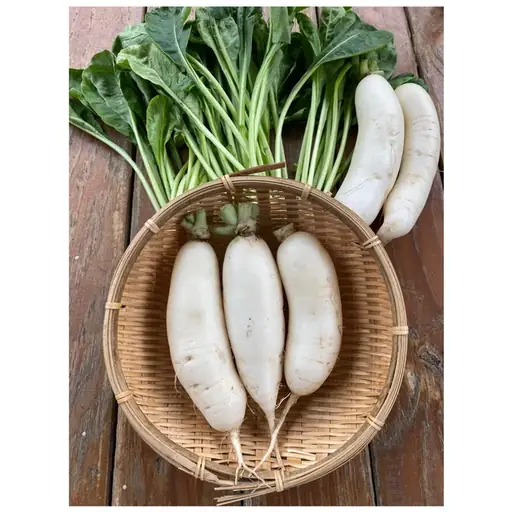
White radish short-leaf thirteen (for pesticide application) Seeds for garden planting
Ask for a tailored quote
The Seedsun selection
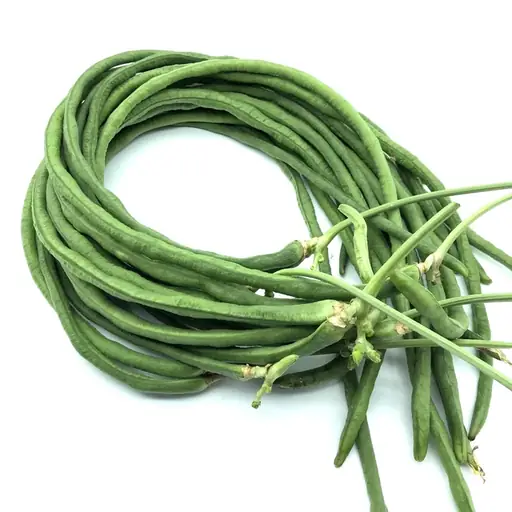
Green beans, golden mountain white beans (for medicinal purposes) Seeds for garden planting
Ask for a tailored quote
Questions & discussion