
The Seedsun selection
Solidago caesia
SKU: SOLI-CAES-01G
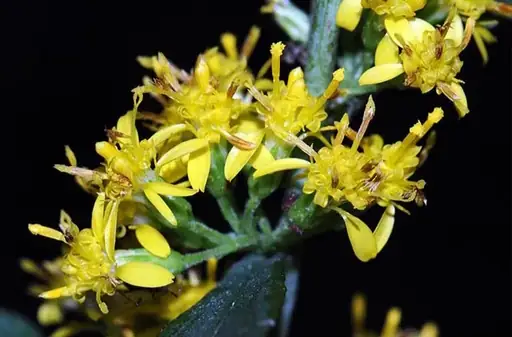
Blue-stemmed goldenrod is the goldenrod for shade. Where most of the clan demand open sun, Solidago caesia threads through the dappled light of the eastern woodland, arching slender, blue-purple stems that carry small, brilliant yellow flowers packed into the leaf axils, so the bloom runs the whole.
Ask for a tailored quote
Pricing, pack sizes and availability are confirmed in your personal quotation. Sending an enquiry does not place a paid order.
Ask about suitability, sowing and growing requirements.
Confirm delivery options and required documents in your quote.
About this variety
Blue-stemmed goldenrod is the goldenrod for shade. Where most of the clan demand open sun, Solidago caesia threads through the dappled light of the eastern woodland, arching slender, blue-purple stems that carry small, brilliant yellow flowers packed into the leaf axils, so the bloom runs the whole length of each stem like a garland. That habit gives the second common name, wreath goldenrod, and the late-summer to autumn color arrives just as the shade garden begins to fade.
The names carry their own small poetry. The species epithet caesia comes from the Latin for blue-gray, for the waxy bloom on the arching stems, while the genus name Solidago joins the Latin solidus, whole, with ago, to make, a nod to the long healing reputation of the goldenrods, once thought able to make a body whole again. A member of the aster family, Asteraceae, wreath goldenrod belongs to a tribe famous for feeding the late-season garden.
The goldenrods hold a deep place in traditional medicine. European goldenrod, Solidago virgaurea, has long been an official herb for the urinary tract and taken as an anti-inflammatory, and Native peoples turned to American goldenrods for wounds, sore throats, and complaints of the kidneys and joints; the dried flowers of several species were brewed as a fragrant tea. Blue-stemmed goldenrod shares that heritage as one of the woodland members of the genus, valued as much by pollinators as by herbalists, and unfairly blamed, like all goldenrods, for the hay fever actually caused by ragweed blooming at the same season.
In the garden, use blue-stemmed goldenrod to light a shaded or part-shaded border, a woodland edge, or a naturalized planting where the arching golden wands can spill among ferns, asters, and wild ginger. The late nectar draws bees, butterflies, and beneficial insects when little else is flowering, and the blue-purple stems lend a quiet contrast the rest of the year. Give dappled shade and ordinary well-drained soil, and let the clump settle into a graceful, arching presence at the close of the season.
Photos courtesy of James Reveal and RW Smith.
More to discover
Questions & discussion