
The Seedsun selection
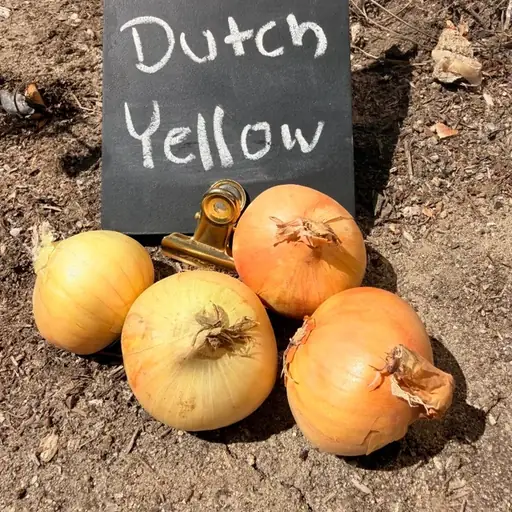
Shallot (sets) - Dutch, Yellow (Organic) Seeds
Shallots are a prized addition to any vegetable garden, and organic yellow Dutch shallot sets are among the easiest ways to grow these flavorful bulbs at home. If you've never grown shallots before, starting with sets—small, pre-formed bulbs—removes much of the guesswork and gets you to harvest.
Ask for a tailored quote
Pricing, pack sizes and availability are confirmed in your personal quotation. Sending an enquiry does not place a paid order.
Ask about suitability, sowing and growing requirements.
Confirm delivery options and required documents in your quote.
About this variety
Shallots are a prized addition to any vegetable garden, and organic yellow Dutch shallot sets are among the easiest ways to grow these flavorful bulbs at home. If you've never grown shallots before, starting with sets—small, pre-formed bulbs—removes much of the guesswork and gets you to harvest faster than growing from seed.
What Are Shallot Sets?
Shallot sets are immature bulbs that have already begun their development. When you plant a set, it's ready to focus its energy on growing larger rather than starting from scratch. This means faster growth, more reliable harvests, and less time waiting for results. Yellow Dutch varieties are known for their golden skin, mild flavor, and excellent storage capabilities—making them ideal for gardeners who want to preserve their harvest for months.
Why Choose Organic Yellow Dutch?
Organic shallot sets are grown without synthetic pesticides or fertilizers, giving you confidence in what you're planting. Yellow Dutch shallots specifically are prized for their sweet, slightly garlic-like flavor that mellows when cooked. They're versatile in the kitchen and work beautifully in everything from roasted vegetable dishes to vinaigrettes.
When and How to Plant
Shallot sets thrive in cool-season growing. Plant them in fall in mild climates or early spring in colder regions. They prefer well-draining soil and full sun. Space sets about 6 to 8 inches apart, planting them pointy-end up with the tip just barely covered by soil. Water gently after planting and keep the soil consistently moist but not waterlogged during the growing season.
Caring for Your Shallots
Once established, shallots are relatively low-maintenance. They don't require heavy feeding, but a balanced fertilizer applied in early spring supports healthy growth. Watch for any signs of pests or disease, though organic varieties bred for strength typically resist common problems. Thin seedlings or overcrowded sets so each bulb has room to develop fully.
Harvest and Storage
Your shallots will be ready to harvest in late spring or early summer, typically 60 to 90 days after planting depending on your climate. You'll know they're ready when the tops begin to brown and dry. After harvesting, cure your shallots in a warm, dry location with good air circulation for two to three weeks. Properly cured shallots store exceptionally well, lasting several months in a cool, dry place.
Growing organic yellow Dutch shallot sets connects you directly to your food while delivering impressive harvests from minimal effort. Whether you're an experienced gardener or just starting out, these reliable bulbs are worth adding to your growing plan.
Quick Overview:
- Easy to grow
- Excellent keeper
- Creamy yellow flesh
- High yielding
Variety Details:
Durable copper skin and creamy yellow flesh. Uniform in size and excellent keeper. Tender and spicy, with a pungent raw flavor that mellows and sweetens but still retains character when cooked. High yielding. Contains potassium and vitamins A, B-6 and C
How to Plant:
Plant the pointy side of the shallot facing up with no more than 1/4" of soil covering the shallot. Make sure your have 7-8 inches of soil to allow the roots to grow freely.
Note: Each shallot can typically yield about 5-10 shallots per harvest. Best time to plant is usually in the Fall (Sept. - Nov.)
More to discover
The Seedsun selection
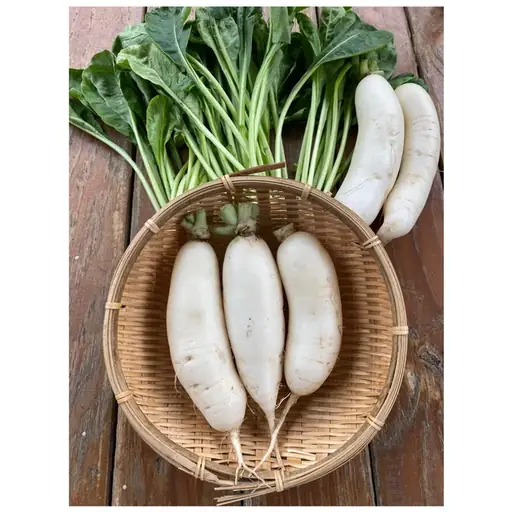
White radish short-leaf thirteen (for pesticide application) Seeds for garden planting
Ask for a tailored quote
The Seedsun selection
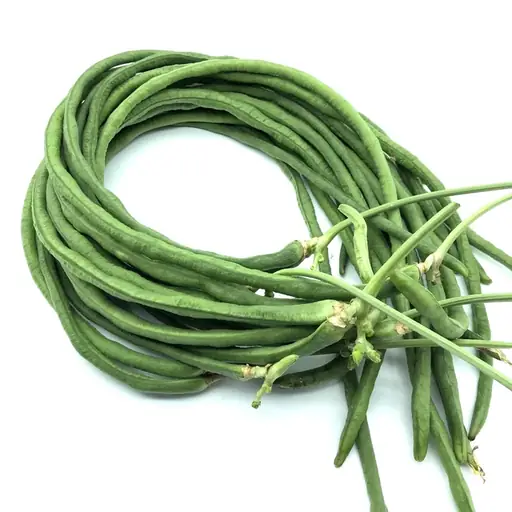
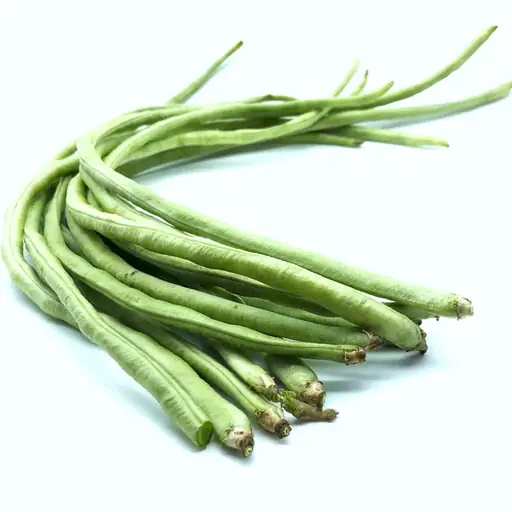
Green beans, golden mountain white beans (for medicinal purposes) Seeds for garden planting
Ask for a tailored quote
Questions & discussion