
The Seedsun selection
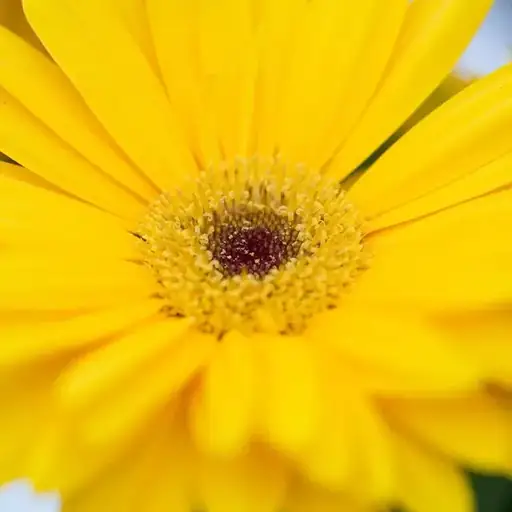
Majorette Yellow Dark Eye Gerbera Seeds for Garden Planting
SKU: 51174-PK-P1
Days to Maturity: 98 to 112 Majorette Yellow Dark Eye Gerbera is an evergreen tender perennial (in mild climates), typically grown as an annual, that blooms from early summer to late fall. A heavy- and long-blooming plant, Majorette Yellow sets an abundance of large daisies with bold yellow rays.
Ask for a tailored quote
Pricing, pack sizes and availability are confirmed in your personal quotation. Sending an enquiry does not place a paid order.
Ask about suitability, sowing and growing requirements.
Confirm delivery options and required documents in your quote.
About this variety
Days to Maturity: 98 to 112
Majorette Yellow Dark Eye Gerbera is an evergreen tender perennial (in mild climates), typically grown as an annual, that blooms from early summer to late fall. A heavy- and long-blooming plant, Majorette Yellow sets an abundance of large daisies with bold yellow rays surrounding a dark eye. Borne singly on slim, stiff stems, the vividly colored flowers make excellent, long-lasting cuts and attract butterflies and bees to the garden.
A Gerbera jamesonii variety, commonly called gerbera daisy, gerber daisy, Transvaal daisy, or Barberton daisy, Majorette Yellow has a uniform habit forming a lush, upright basal rosette of long dark green leaves. Gerbera daisies are classic cottage and cutting garden plants and are a mainstay in the perennial border. They make excellent edging and container plants too. Naturally accustomed to arid conditions, gerbera daisies are a great option for a xeriscape.
Gerbera daisies grow best in locations with full sun, but partial afternoon shade may extend bloom time, especially in climates with hot, dry summers. The soil should be rich with organic matter, moist, and well-draining. Soil should be allowed to dry slightly between waterings. An acidic soil pH between 5.5 to 6.5 is best; a higher pH may result in interveinal chlorosis (yellowing of the leaves), a lower pH, in black spots. Although gerbera daisies are low maintenance and robust, fertilizing regularly and deadheading spent flowers promotes a heavier, prolonged bloom.
Growing gerbera daisies from seed is easy. Direct sow gerbera daisy seed after the last frost in spring, as soon as the soil is warm, or start seeds indoors 6 to 8 weeks before the last frost date and transplant after all threat of frost has passed.
If you plan to start your seeds indoors, be sure to check out our Bio Dome Seed Starter Kit. With the Bio Dome, you can control the temperature, light, and soil mix to ensure your seeds become strong for transplant.
More to discover
The Seedsun selection
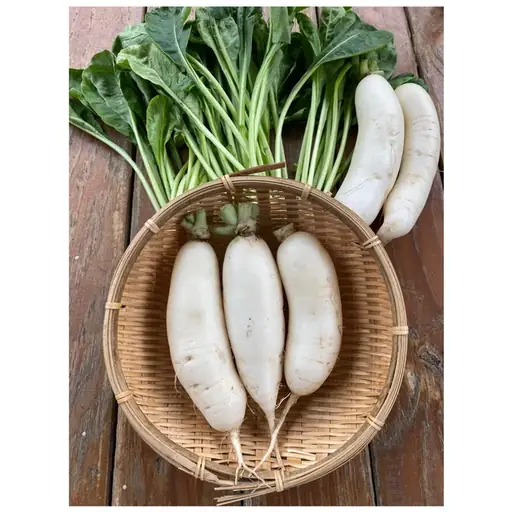
White radish short-leaf thirteen (for pesticide application) Seeds for garden planting
Ask for a tailored quote
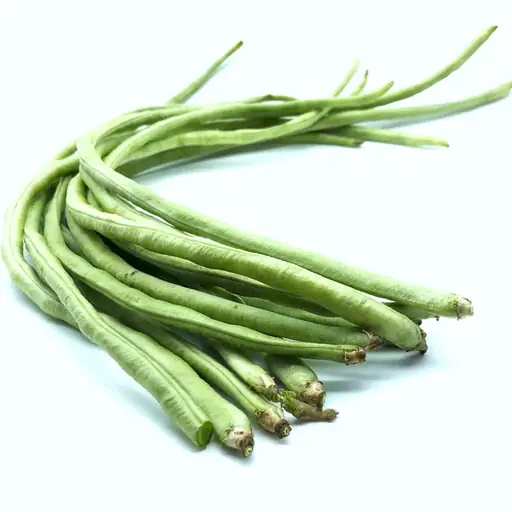
The Seedsun selection
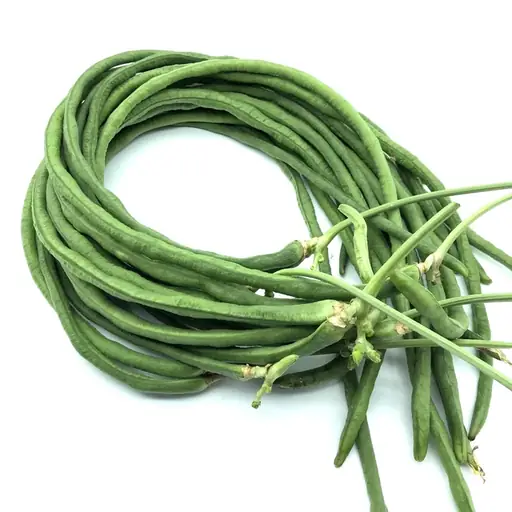
Green beans, golden mountain white beans (for medicinal purposes) Seeds for garden planting
Ask for a tailored quote
Questions & discussion