
 Selected
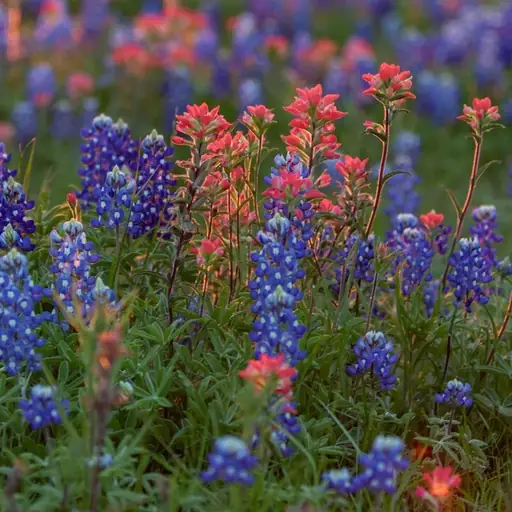
The Seedsun selection
Lupine, Texas Bluebonnet Flower seeds for Garden Planting
SKU: V6693
The Iconic Texas Bluebonnet Lupine Texas Bluebonnet Lupines are among the most beloved wildflowers in North America, celebrated for their striking deep blue and purple blooms that paint hillsides and meadows with natural beauty. These iconic flowers hold special significance in Texas culture and.
Ask for a tailored quote
Pricing, pack sizes and availability are confirmed in your personal quotation. Sending an enquiry does not place a paid order.
Ask about suitability, sowing and growing requirements.
Confirm delivery options and required documents in your quote.
About this variety
The Iconic Texas Bluebonnet Lupine
Texas Bluebonnet Lupines are among the most beloved wildflowers in North America, celebrated for their striking deep blue and purple blooms that paint hillsides and meadows with natural beauty. These iconic flowers hold special significance in Texas culture and have become a symbol of the state's natural heritage. Growing them in your garden brings a touch of that wild, untamed elegance right to your doorstep.
Understanding the Texas Bluebonnet
The Texas Bluebonnet is a robust lupine variety known for its tall, impressive flower spikes densely packed with small, pea-like blooms in shades of blue, purple, and occasionally white. Unlike some delicate ornamentals, these lupines are tough plants that thrive in the challenging conditions of Texas and similar climates. They're adapted to handle heat, drought, and poor soil, making them an excellent choice for gardeners seeking low-maintenance, high-impact plants.
Planting and Growing Requirements
Texas Bluebonnets prefer full sun and well-draining soil, though they're remarkably tolerant of poor, sandy, or rocky conditions. They're typically grown as cool-season annuals or short-lived perennials, blooming in spring before summer heat arrives. Plant seeds in fall for spring blooms, or start with transplants in early spring. Space plants 12 to 18 inches apart and water moderately until established. Once settled in, they require minimal care and can self-seed for years of natural color.
Creating a Wildflower Display
The Texas Bluebonnet shines when planted in drifts or masses, creating the stunning meadow-like effect they're famous for. Combine them with other native wildflowers like Indian Paintbrush or Black-eyed Susans for a authentic Texas landscape. They also work beautifully in cottage gardens, along roadsides, or in naturalized areas where you want to encourage pollinators and wildlife.
Enjoying Peak Bloom Season
Texas Bluebonnets typically flower from April through May, depending on your location and weather conditions. The blooms attract bees, butterflies, and other pollinators, adding life and movement to your garden. Allow some flowers to fade and set seed for natural reseeding, creating a sustainable display year after year with minimal intervention.
In Summary
The Texas Bluebonnet Lupine (Lupinus texensis) is so named because the blossoms resemble the bonnets worn by pioneer women. This low-growing annual is in the legume family, so it fixes nitrogen in the soil and is a great companion plant or cover crop for the vegetable garden. Produces upright spikes of pea-sized blossoms in rich blue with white tips, but can also pop up in shades of white, pink, purple, and maroon (“Aggiebonnet”). Grows 1'-1.5' tall on sturdy stems with daisy-like palmate foliage. Spectacular in a pot or blanketing an entire field. The state flower of Texas.
⚠️ If consumed in large quantities, seeds can be toxic to people, pets, and livestock.
- Life cycle: Annual
- Bloom season: Spring
- Attracts: Bees, butterflies, and other pollinators
- Flower meaning: Abundance, change, growth
SEED PLANTING TIPS
- Botanical name: Lupinus texensis
- Hardiness zones: 3-8
- Planting season: Fall
- Days to maturity: 1st or 2nd year
- Cold stratify: No
- Depth to plant seeds: Lightly cover - seeds need light to germinate
- Spacing between plants: 8"-12" apart
- Days to germinate (sprout): 7-30 days
- Germination soil temps: 55F-70F
- Soil types: Clay, sandy, loamy, silty, rocky, chalky, calcareous, dry, well-drained
- Soil pH: 7.5+
- Water needs: Low - do not overwater
- Sun needs: Full sun
- Frost tolerant: Yes
- Drought tolerant: Yes
- Deer resistant: Yes
Questions & discussion