
 Selected
The Seedsun selection
Daisy, Black-Eyed Susan (Rudbeckia Hirta) Flower seeds
SKU: J7383
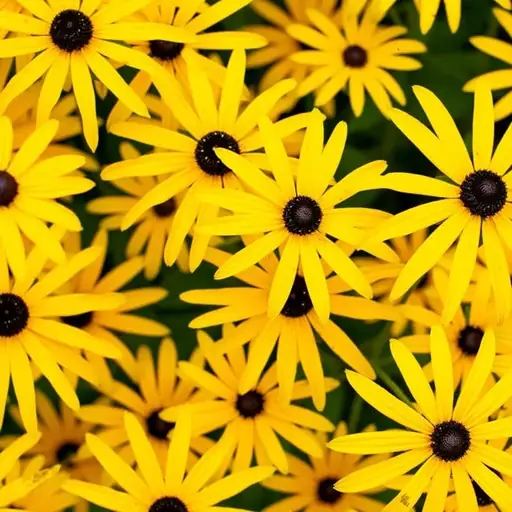
The Daisy, specifically the Rudbeckia Hirta, is a perennial plant that is widely appreciated for its vibrant yellow flowers and its ability to thrive in various garden conditions. This species, commonly known as the Black-eyed Susan, belongs to the Asteraceae family and is native to North America..
Ask for a tailored quote
Pricing, pack sizes and availability are confirmed in your personal quotation. Sending an enquiry does not place a paid order.
Ask about suitability, sowing and growing requirements.
Confirm delivery options and required documents in your quote.
About this variety
The Daisy, specifically the Rudbeckia Hirta, is a perennial plant that is widely appreciated for its vibrant yellow flowers and its ability to thrive in various garden conditions. This species, commonly known as the Black-eyed Susan, belongs to the Asteraceae family and is native to North America. The plant typically reaches a height of 1 to 3 feet and produces flowers that can measure up to 3 inches in diameter.
Rudbeckia Hirta is characterized by its distinctive dark brown or black center, surrounded by bright yellow petals. This striking appearance not only enhances the aesthetic appeal of gardens but also attracts a variety of pollinators, including bees and butterflies, which are essential for maintaining ecological balance. Studies indicate that plants like Rudbeckia Hirta can increase pollinator activity by up to 50% in garden environments.
In terms of cultivation, Rudbeckia Hirta is known for its resilience and adaptability. It prefers full sun but can tolerate partial shade, making it suitable for diverse planting locations. The plant thrives in well-drained soil and can withstand drought conditions once established. It is important to note that while Rudbeckia Hirta is relatively low-maintenance, regular deadheading can promote prolonged blooming periods, extending the flowering season from mid-summer to early fall.
From a horticultural perspective, the Rudbeckia Hirta is often used in mixed borders, wildflower gardens, and as a cut flower in arrangements. Its ability to self-seed allows for natural propagation, contributing to the sustainability of garden ecosystems. However, gardeners should be mindful of its potential to spread, as it can become invasive in certain regions if not managed properly.
In summary, the Daisy (Rudbeckia Hirta) is a valuable addition to any garden, offering both visual appeal and ecological benefits. Its ease of care, coupled with its role in supporting pollinator populations, makes it an ideal choice for both novice and experienced gardeners alike. By incorporating Rudbeckia Hirta into your gardening plans, you can enhance the biodiversity and beauty of your outdoor space.
- Life cycle: Tender perennial
- Bloom season: Summer
- Attracts: Bees, butterflies, and other pollinators
- Flower meaning: Justice
SEED PLANTING TIPS
- Botanical name: Rudbeckia hirta
- Hardiness zones: 3-8
- Planting season: Spring, fall
- Days to maturity: 90-120 days
- Cold stratify: Yes
- Depth to plant seeds: Lightly cover - seeds need light to germinate
- Spacing between plants: 12"-18" apart
- Days to germinate (sprout): 7-21 days
- Germination soil temps: 70F-75F
- Soil types: Clay, sandy, loamy, moist, well-drained
- Soil pH: 6.8-7.7
- Water needs: Average
- Sun needs: Full sun, part shade
- Frost tolerant: No
- Drought tolerant: Yes
- Deer resistant: Yes
Questions & discussion