
 Selected
The Seedsun selection
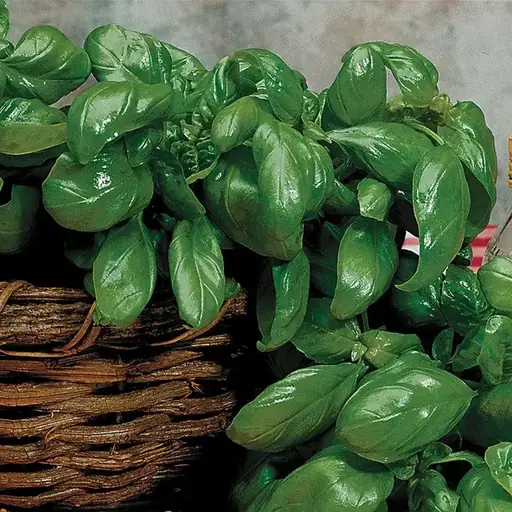
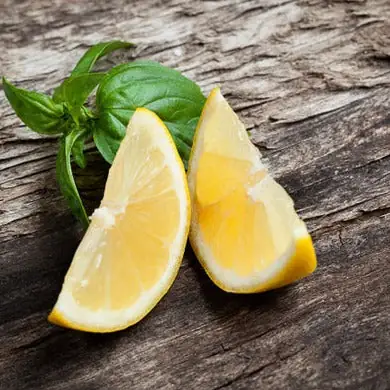
Basil, Lemon seeds for Garden Planting
Growing Lemon Basil: A Citrus Twist on a Kitchen Favorite Lemon basil is a delightful herb that brings a bright, zesty flavor to your garden and kitchen. Unlike traditional sweet basil, this variety offers a subtle lemon aroma and taste that makes it perfect for culinary adventures. Whether you're.
Ask for a tailored quote
Pricing, pack sizes and availability are confirmed in your personal quotation. Sending an enquiry does not place a paid order.
Ask about suitability, sowing and growing requirements.
Confirm delivery options and required documents in your quote.
About this variety
Growing Lemon Basil: A Citrus Twist on a Kitchen Favorite
Lemon basil is a delightful herb that brings a bright, zesty flavor to your garden and kitchen. Unlike traditional sweet basil, this variety offers a subtle lemon aroma and taste that makes it perfect for culinary adventures. Whether you're an experienced gardener or just starting out, lemon basil is an easy-to-grow plant that thrives in warm conditions.
Why Choose Lemon Basil?
Lemon basil stands out for its unique flavor profile. The leaves carry a natural citrus note that works wonderfully in teas, salads, desserts, and fish dishes. It's also a fantastic addition to cocktails and beverages. Beyond the kitchen, lemon basil attracts pollinators like bees and butterflies, making it a great choice for supporting your garden's ecosystem.
Planting and Growing Conditions
Lemon basil loves sunlight and warmth. Plant your seeds or seedlings in a location that receives at least six to eight hours of direct sunlight daily. The soil should be well-draining and rich in organic matter. Space plants about six to twelve inches apart to allow for proper air circulation.
This herb prefers warm temperatures between 70 and 85 degrees Fahrenheit. If you're in a cooler climate, consider starting seeds indoors and transplanting them outside once the danger of frost has passed.
Watering and Care
Keep the soil consistently moist but not waterlogged. Water at the base of the plant to prevent leaf diseases. During hot, dry spells, you may need to water more frequently. Pinch off the top leaves regularly to encourage bushier growth and prevent the plant from flowering too quickly.
Harvesting Your Lemon Basil
You can begin harvesting leaves once the plant is established, typically four to six weeks after planting. Pinch off leaves from the top of the stems to promote fuller growth. The more you harvest, the bushier your plant becomes. For the best flavor, pick leaves in the morning after the dew has dried.
Using Lemon Basil in the Kitchen
Fresh lemon basil leaves can be used immediately or dried for later use. Add them to pasta dishes, soups, and marinades for a fresh citrus kick. Brew the leaves into a refreshing herbal tea, or use them to infuse oils and vinegars. The possibilities are endless with this versatile herb.
Growing lemon basil is a rewarding experience that brings both beauty and flavor to your home. Start your seeds today and enjoy the fresh taste of homegrown herbs all season long.
In Summary
Lemon Basil, also called Hoary Basil (for its fuzzy stems), is a cross between traditional basil and lime basil.
The bright green leaves have a sweet lemony aroma and a tangy lemon-anise flavor that’s best used fresh in seafood dishes, fruit salads, lemonade, cocktails, and salad dressings. Add at the end of cooking to preserve the citrus flavor, then garnish with the edible flowers.
Harvest the leaves and stems from the top part of the plant, and pinch off edible flower buds as they appear, which prevents the leaves from turning bitter, and signals the plant to branch out and grow more leaves, making a bushier plant.
The more you harvest, the more it grows!
- Tangy lemon-anise flavor
- Culinary and medicinal
- Good for indoor gardens
- Good for containers
- Tons of medicinal benefits!
As a medicinal herb, Basil has been used internally to treat anxiety, colds, colic, cough, depression, diarrhea, fever, flatulence, flu, indigestion, insomnia, intestinal parasites and worms, exhaustion, gastric pain, gonorrhea, lactation problems, migraine headache, nausea, stomach cramps, sore throat, and vomiting, and externally to treat acne, insect bites and stings, loss of smell, skin problems, snake bites.
⚠️ Do not use medicinally while pregnant.
⚠️ Medicinal properties are presented as information only, and are not a recommendation or prescription for use. Consult a medical professional before using any herb medicinally.
As a companion plant, Basil attracts hummingbirds, pollinators, and beneficial insects, and repels asparagus beetles, cabbage moths, cabbage white butterfly, cabbage worms, carrot rust fly, flies, maggots, mice, mosquitoes, spider mites, thrips, and tomato hornworms.
| Shop all Basil Seeds | Shop Good Companion Plants for Basil | 📚 Grow Guide: Basil |
Health Benefits of Lemon Basil
Basil is a known health tonic for expecting mothers and when mixed with tea it increases lactation in mothers. It is also a nerve tonic and young children are sometimes encouraged to chew on the leaves of basil because it stimulates brain cells and can increase memory.
See Basil Recipes & Growing Tips on our Pinterest Board
Follow 's board Basil on Pinterest.| Shop all Basil Seeds | Shop Good Companion Plants for Basil | 📚 Grow Guide: Basil |
More to discover
Selected
The Seedsun selection
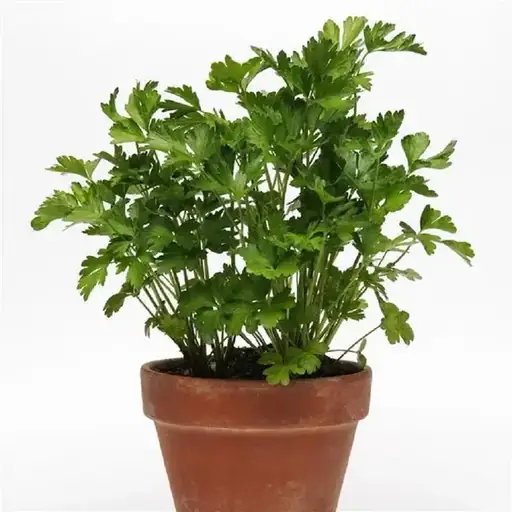
SimplyHerbs™ Parsley 25 Multi Pelleted Seeds Herb Seeds
Ask for a tailored quote
Questions & discussion