
How to grow basil
Seed to Harvest Herb Guide How to grow basil A practical guide to starting basil in warmth, transplanting after frost, pinching for branches, diagnosing common problems, and harvesting fragrant stems all summer. Wait for warm nightsPinch above leaf nodesHarvest before flowering Shop basil seed.
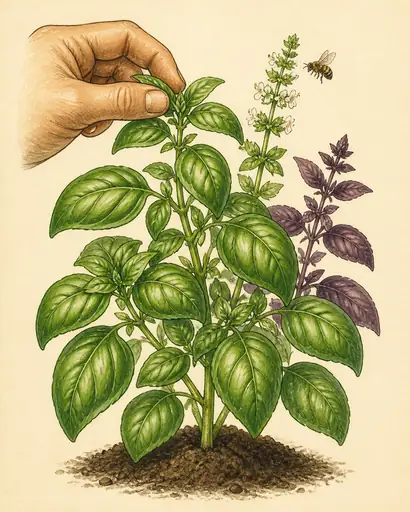
Seed to Harvest Herb Guide
How to grow basil
A practical guide to starting basil in warmth, transplanting after frost, pinching for branches, diagnosing common problems, and harvesting fragrant stems all summer.
Wait for warm nightsPinch above leaf nodesHarvest before flowering Shop basil seed →Start the guide ↓ SeasonWarm weatherVery frost sensitiveSow depth1/4 inchSoil 70–85°F indoorsLightFull sun6–8 hoursSpacing8–18 inchesCompact to large leafHarvest50–75 daysEarlier for young leavesBefore you begin
Warmth and regular pinching build a productive plant.
Basil is a fast-growing annual herb that dislikes cold and wet roots. Give it sun, drainage, steady moisture, and frequent stem harvests to keep new branches forming.
Best first decisionChoose flavor and plant habit first: Genovese for pesto, Thai for anise-clove notes, purple for color, citrus types for bright aroma, or compact basil for containers.Build your basil-growing plan
Plan warm planting and the right garden or container location.
Choose a sunny, well-drained location that stays convenient for frequent pinching and harvest.
When to plant basilFind your local planting windowWait until frost danger has passed and nights remain above about 50°F.Check basil timing →Place basil in the gardenPlan sun and easy accessKeep plants close enough to harvest and inspect frequently.Plan the basil bed →Basil at a glance
The path from seed to recurring harvests
Select any milestone to jump directly to its full instructions.
01PlanPermanent space02Sow1/4 inch03Thin12–18 inches04GrowMoist and cool05ProtectScout leaves06HarvestOuter leavesStage 1–3
Start warm, harden carefully, and transplant gently
Basil germinates quickly in warmth but can be stunted by cold soil, chilly nights, or abrupt exposure to full sun.
01Sow indoors or outside
Start indoors 4–6 weeks before the last frost in sterile mix at 70–85°F, or direct sow after nights stay above 50°F. Cover seed 1/4 inch.
- Expect sprouts in about 5–10 days.
- Use strong light after emergence.
- Keep mix moist, not saturated.
Pot up and harden off
Move seedlings to small pots after true leaves appear. Gradually expose them to outdoor sun and wind for 7–10 days.
Do not rush cold-sensitive plantsChilly nights can permanently slow basil even when frost does not occur. 03Transplant into drainage
Set plants 8–18 inches apart according to variety, keeping the original soil line level. Water thoroughly.
- Use rich, well-drained soil.
- Choose outdoor potting mix for containers.
- Place one large plant in a 10–12 inch pot.
Stage 4
Pinch for branches and protect leaf quality
Every correct stem cut encourages two new shoots from the leaf nodes below it.
WWater at the base
Provide about 1 inch weekly in beds, more in pots, while keeping foliage dry and roots out of standing water.
PPinch above nodes
Once plants have several leaf pairs, cut the tip just above a lower pair to trigger branching.
FFeed lightly
Fertile soil is usually enough. Excess nitrogen can dilute flavor and create soft growth.
BRemove flower buds
Pinch budding stems unless flowers are wanted for pollinators or seed; flowering slows tender leaf production.
Growth checkpoints
Know what healthy regrowth looks like.
Leaf texture and crown vigor matter more than the calendar alone.
7–14 daysEven emergence
Small seedlings appear across a consistently moist seedbed.
True leavesFinal spacing
Each plant has room to expand into a leafy clump.
4–6 inch leavesFirst picking
Tender outer leaves are large enough to harvest individually.
Established crownRecurring regrowth
Fresh central leaves replace moderate outer-leaf harvests.
Stage 5 · Text-only diagnostics
Diagnose basil problems early
Match the symptom, then open the card for prevention and the next practical action.
DiseaseDowny mildewYellowing between veins, leaf curl, and gray-purple fuzz underneathRemove affected plants and do not compost them. Improve airflow, water at soil level, avoid working wet foliage, and choose resistant varieties where available.
Leaf diseaseFungal leaf spotsBrown or black spots that expand during wet, humid weatherRemove spotted leaves, space plants for airflow, keep foliage dry, sanitize tools, and rotate away from basil in the next planting.
PestAphids or whitefliesSticky leaves, curled tips, clustered insects, or tiny white adultsRinse leaf undersides with a firm stream of water, repeat as needed, conserve beneficial insects, and remove heavily distorted tips.
PestSlugs or flea beetlesRagged chewing or many tiny round holes in young leavesInspect at dusk, reduce damp hiding places, handpick slugs, and use insect netting over young plants before flea beetles arrive.
Stage 6
Harvest stems above a pair of leaves
Stem harvests create a fuller plant and provide better regrowth than plucking single leaves repeatedly.
- Choose: Select a tender stem with at least one healthy leaf pair remaining below the cut.
- Cut: Snip just above that pair so two buds can grow into branches.
- Preserve: Use fresh promptly, freeze leaves or pesto, or dry suitable varieties gently.
Choose with purpose
Match basil flavor and habit to the kitchen
Compare a classic large-leaf type, Thai basil, purple foliage, and a compact container plant.
Classic culinary standardLarge Leaf ItalianUrban Farmer’s most popular basil, with prolific large leaves and sweet aroma.Shop Large Leaf Italian →Thai culinary typeThaiGreen leaves, purple stems, and a sweet clove-mint flavor; leaves and flowers are edible.Shop Thai →Purple culinary colorRed RubinDeep purple-red foliage with aromatic, slightly spicy flavor for salads, pesto, and garnish.Shop Red Rubin →Compact container typeSpicy BushA dense rounded plant with tiny leaves and concentrated spicy-sweet flavor.Shop Spicy Bush →Questions herb gardeners ask
Basil growing FAQ
Quick answers for sowing, warmth, containers, pinching, flowering, harvest, and preservation.
When should basil be planted outside?Wait until frost danger has passed and daytime and nighttime temperatures remain consistently above about 50°F.
How deep should basil seed be planted?Sow about 1/4 inch deep in moist, well-drained seed-starting mix or warm garden soil.
How long does basil take to germinate?In warm soil, basil commonly sprouts in about 5–10 days.
How far apart should basil plants be?Space compact types around 8–10 inches and large vigorous types 12–18 inches, following the packet.
Can basil grow in containers?Yes. Use outdoor potting mix, excellent drainage, full sun, and generally one large plant per 10–12 inch pot.
How often should basil be watered?Provide about 1 inch weekly in beds and check containers more often. Water at the base when the upper soil begins to dry.
When should basil first be pinched?Pinch after several pairs of true leaves develop, cutting just above a lower leaf pair.
Why should basil flowers be removed?Flowering redirects energy and can make leaves smaller or stronger flavored. Pinching buds extends leafy growth.
Can basil flowers be left for pollinators?Yes. Leave selected stems to bloom while continuing to pinch the portion reserved for culinary leaves.
How should basil be harvested?Cut tender stems just above a leaf pair instead of repeatedly plucking individual leaves.
Can basil survive frost?No. Basil is very cold sensitive and is usually killed by frost; take cuttings or harvest before cold weather.
How can basil be preserved?Freeze leaves or pesto for the best fresh flavor. Basil can also be dried, though some aroma is lost.
Ready to plant?
Choose basil for your garden.
Grow productive green leaves or richly veined color in a dependable perennial patch.
Shop all basil seed →
Questions & discussion