
 精選
此頁面以其原始語言顯示,暫無翻譯版本。
Seedsun 精選
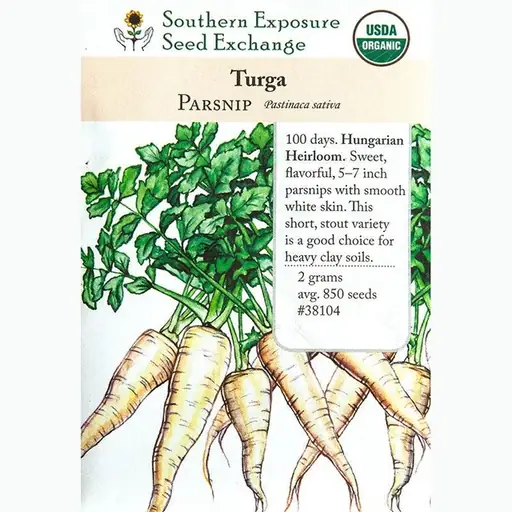
Turga Parsnip Seeds (Organic) for Garden Planting
SKU: SNV2019
The Turga Parsnip, also known as Pastinaca sativa 'Turga,' is a cultivar originating from Europe, renowned for its sweet, nutty flavor and adaptability to various growing conditions. The Turga Parsnip plant itself displays a biennial nature, forming a rosette of deeply lobed leaves and a taproot.
索取客製報價
價格、包裝規格和供貨情況將在您的專屬報價單中確認。發送詢價並不代表您已下單付款。
詢問其適宜性、播種和生長要求。
請在報價單中確認送貨方式和所需文件。
品種介紹
The Turga Parsnip, also known as Pastinaca sativa 'Turga,' is a cultivar originating from Europe, renowned for its sweet, nutty flavor and adaptability to various growing conditions. The Turga Parsnip plant itself displays a biennial nature, forming a rosette of deeply lobed leaves and a taproot that's the prized edible part. Its roots grow long and tapered, often reaching impressive sizes with a creamy-white, tender interior. Turga Parsnips offer a unique taste profile, featuring a sweet, nutty flavor with hints of earthiness.
Variety Details
- Plant type: Hardy Annual
- Growth habit: Herbaceous
- Crop category: Vegetable
- Kitchen profile: The Turga Parsnip, also known as Pastinaca sativa 'Turga,' is a cultivar originating from Europe, known for its sweet, nutty flavor and adaptability to various growing conditions.
- Recorded feature: Open-Pollinated
- Product format: Seed packet
Sowing & Growing
- Light: Full Sun
- Planting season: Spring
- Starting location: Direct Sow
- Recorded soil pH: 6.6 - 7.0
- Recorded USDA zones: 3, 4, 5, 6, 7, 8, 9
Use the product-specific sowing figures for Turga Parsnip as the starting point, then adjust timing to local soil temperature and frost conditions. Prepare the bed before planting, preserve the recorded spacing, and evaluate moisture at root depth instead of following a universal calendar. Watch development as the stated maturity window approaches and harvest at the size, texture, or color preferred for the crop. Label the row with the sowing date so actual performance can inform future plantings.
Before sowing Turga Parsnip, review the packet alongside the current product details and note any range in temperature, germination, or maturity. Ranges reflect biological and seasonal variation rather than a fixed promise. Label each planting with its date and location, then compare emergence, growth, and harvest with local weather. This record is useful for succession plantings and for deciding whether the crop fits better into an earlier or later seasonal window.
Explore related options in our Parsnip Seeds.
問題與討論