
此頁面以其原始語言顯示,暫無翻譯版本。
Seedsun 精選
Halesia diptera
SKU: HALE-DIPT-01G
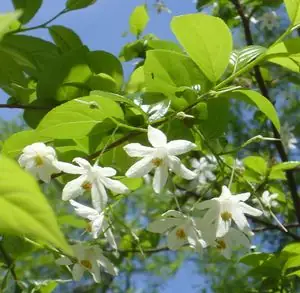
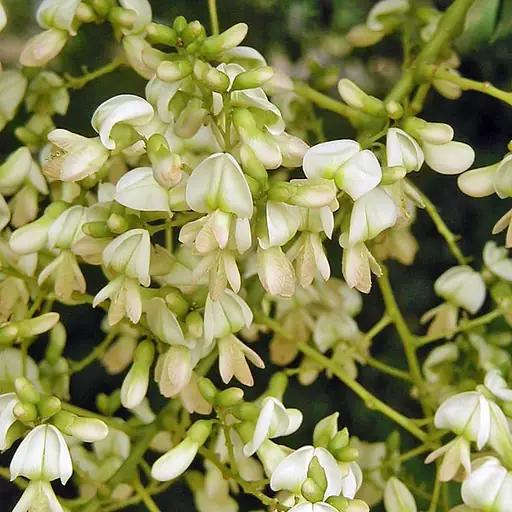
In spring, the bare gray branches of the two-wing silverbell fill with small white bells, three to six to a cluster, hanging along the year-old wood like a run of tiny lanterns. Each flower is a half-inch, four-lobed cup, and en masse they turn a modest understory tree into one of the quiet.
索取客製報價
價格、包裝規格和供貨情況將在您的專屬報價單中確認。發送詢價並不代表您已下單付款。
詢問其適宜性、播種和生長要求。
請在報價單中確認送貨方式和所需文件。
品種介紹
In spring, the bare gray branches of the two-wing silverbell fill with small white bells, three to six to a cluster, hanging along the year-old wood like a run of tiny lanterns. Each flower is a half-inch, four-lobed cup, and en masse they turn a modest understory tree into one of the quiet highlights of the southern woodland spring. This silverbell grows as a large multi-stemmed shrub or a small tree, rarely more than thirty feet, with an open, layered frame that lets light through to whatever grows below.
The name carries two good stories. The genus honors Stephen Hales, the eighteenth-century English clergyman and scientist whose Vegetable Staticks laid the groundwork for the study of how sap moves through plants; John Ellis published the name in 1759. The species epithet, diptera, is Greek for two-winged, and points to the ripe fruit: a dry, hard capsule flanked by two papery wings, where the more familiar Carolina silverbell carries four. That single detail is the surest way to tell the two apart once flowering is over. An older common name, snowdrop tree, catches the other half of the picture, the drifts of white that arrive before the leaves fully expand.
Two-wing silverbell belongs to the Coastal Plain of the Deep South, native from South Carolina and Florida west to eastern Texas, where the tree threads the banks of streams and the lower slopes of ravines in moist, humus-rich, acid soil. Bees work the spring bells for nectar and pollen, and squirrels and other wildlife take the green fruit before the wings dry and the capsule hardens. Though rooted in the warm South, this silverbell proves hardy well to the north, taking cold a zone or two beyond the native range.
In the garden, treat the two-wing silverbell as a spring-flowering understory tree for a woodland edge, a shaded border, or a spot beside a path where the hanging bells can be looked up into from below. The tree asks for the same cool, moist, well-drained, acid ground that suits dogwoods, azaleas, and rhododendrons, so plant them together for a native spring picture, and avoid high-pH soils, which the roots resent. A clean butter-yellow fall color follows the flowers, giving a second, quieter season before the leaves drop.
您可能也感興趣
問題與討論