
此頁面以其原始語言顯示,暫無翻譯版本。
Seedsun 精選
Clinopodium coccineum
SKU: CLIN-COCC-01G
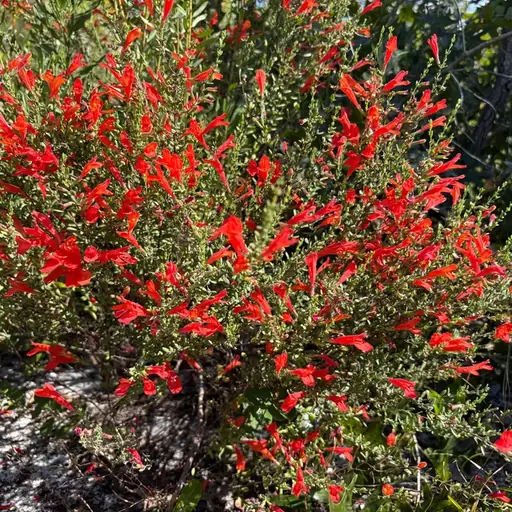
Clinopodium coccineum is a small, aromatic, semi-evergreen subshrub of the mint family, native to the deep, well-drained sands of the southeastern coastal plain from Mississippi and Georgia down into Florida. The loose, open frame and small, spicy-scented leaves would earn a quiet place on their.
索取客製報價
價格、包裝規格和供貨情況將在您的專屬報價單中確認。發送詢價並不代表您已下單付款。
詢問其適宜性、播種和生長要求。
請在報價單中確認送貨方式和所需文件。
品種介紹
Clinopodium coccineum is a small, aromatic, semi-evergreen subshrub of the mint family, native to the deep, well-drained sands of the southeastern coastal plain from Mississippi and Georgia down into Florida. The loose, open frame and small, spicy-scented leaves would earn a quiet place on their own, but the flowers are the event: scarlet tubes an inch or two long, held out like little trumpets. Bloom comes heaviest in spring and again in fall, with scattered flowers through the summer between, and in the mildest gardens of zones 8 and 9 the plant will open something in almost any month the weather stays soft.
Few plants have been shuffled between genera as often as this one. Nuttall’s material was published as a Cunila in 1825, and over the following century the species passed through Melissa, Gardoquia, Calamintha and Satureja before Kuntze settled the present combination in 1891. The fault was never with the plant. The characters that were supposed to separate those genera, calyx shape and leaf form and geography, grade into one another, and molecular work has since confirmed that the old boundaries do not hold. Clinopodium itself is a homely name, from the Greek for a bed and a little foot, a bedpost, for the shape of the flower clusters in the European type species. introduced the southern clinopodiums to gardeners in the 1980s and went on using that name straight through the decades when the authorities preferred Calamintha or Satureja. The authorities have since come round.
In the wild scarlet calamint belongs to the longleaf pine sandhills and open flatwoods, with scrub and coastal dune populations at the edges, always in white sand and always in full sun. The long nectar tubes are built for hummingbirds, and both the Lady Bird Johnson Wildflower Center and the Florida Wildflower Foundation name the plant a hummingbird draw; large butterflies work the flowers as well. The crushed foliage carries a clean, spicy scent that browsing deer usually pass over, though nobody should plant this or anything else on the assumption that deer read labels.
Give scarlet calamint full sun and fast-draining sand, and site the shrub where the flowers and the hummingbird traffic can be watched up close: a hot bank, a gravel or xeric border, a rock garden, the front of a sunny native bed. Pair with salvias, little bluestem and other plants that ask for the same lean, dry ground, and run the planting along a path where brushing past releases the scent. One honest caution comes with the toughness. Scarlet calamint can be slow to settle and will not forgive wet feet while establishing, and then asks for very little for the rest of a long life.
Photo credit to Jonas Meyer.
Learn more about the Clinopodium genus with our guide.
您可能也感興趣
問題與討論