
 精選
此頁面以其原始語言顯示,暫無翻譯版本。
Seedsun 精選
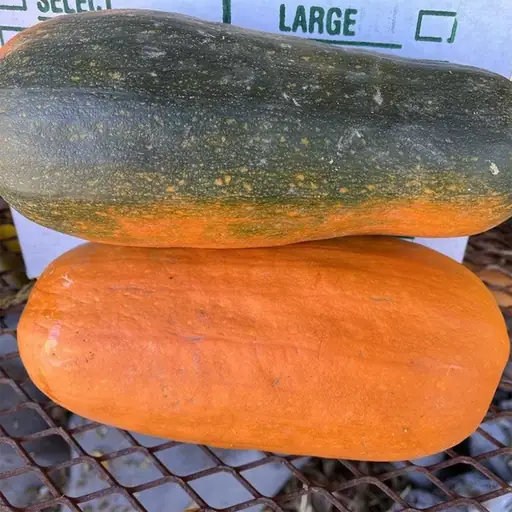
Algonquin Winter Squash Seeds for Garden Planting
SKU: SNV9016
A revered variety of Cucurbita maxima celebrated for its historical significance and culinary excellence. Originally cultivated by indigenous Algonquin tribes in the northeastern United States, these squash seeds offer a tangible link to a rich cultural heritage. This heirloom squash boasts.
索取客製報價
價格、包裝規格和供貨情況將在您的專屬報價單中確認。發送詢價並不代表您已下單付款。
詢問其適宜性、播種和生長要求。
請在報價單中確認送貨方式和所需文件。
品種介紹
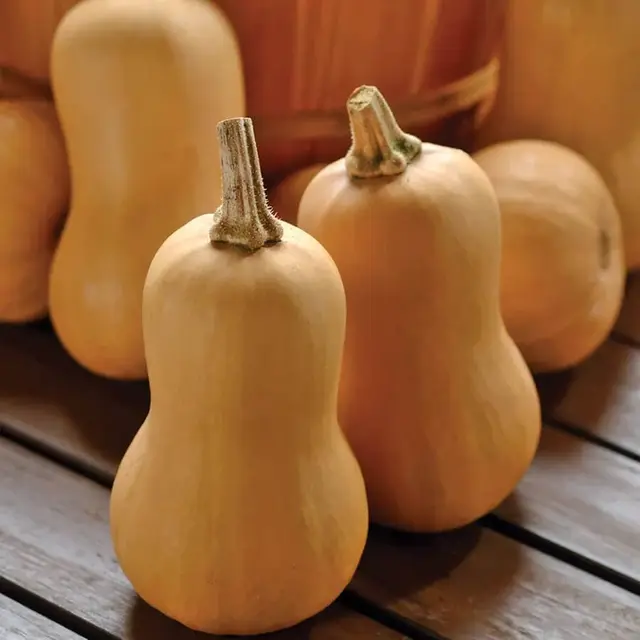
A revered variety of Cucurbita maxima celebrated for its historical significance and culinary excellence. Originally cultivated by indigenous Algonquin tribes in the northeastern United States, these squash seeds offer a tangible link to a rich cultural heritage. This heirloom squash boasts sprawling vines, large lobed leaves, and distinctive golden-orange oblong fruits, providing both ornamental beauty and culinary versatility. Thriving in warm climates, the Algonquin Winter Squash adapts to diverse growing conditions, making it suitable for backyard gardens and larger agricultural settings.
Variety Details
- Plant type: Tender Annual
- Growth habit: Vining
- Crop category: Squash
- Kitchen profile: A revered variety of Cucurbita maxima known for its historical significance and culinary excellence.
- Recorded feature: Open-Pollinated
- Product format: Seed packet
Sowing & Growing
- Light: Full Sun
- Planting season: Summer
- Starting location: Direct Sow or Start Indoors & Transplant
- Recorded soil pH: 6.1 - 6.5 or 6.6 - 7.0
- Recorded USDA zones: 10, 11, 3, 4, 5, 6, 7, 8, 9
Sow Algonquin Winter Squash after the soil has warmed and frost danger has passed, or transplant established seedlings without disturbing their roots more than necessary. Preserve the recorded spacing because broad leaves and vines can occupy more room than young plants suggest. Check soil moisture at root depth and direct water toward the soil. Once fruit develops, inspect plants frequently and harvest at the stage appropriate to summer or winter squash. Use clean cuts to avoid damaging stems.
Before sowing Algonquin Winter Squash, review the packet alongside the current product details and note any range in temperature, germination, or maturity. Ranges reflect biological and seasonal variation rather than a fixed promise. Label each planting with its date and location, then compare emergence, growth, and harvest with local weather. This record is useful for succession plantings and for deciding whether the crop fits better into an earlier or later seasonal window.
Explore related options in our Squash Seeds.
問題與討論