
此页面以其原始语言显示,暂无翻译版本。
Seedsun 精选
Cartrema americanum (Osmanthus americanus)
SKU: OSMA-AMER-01G
Devilwood earns the odd name honestly. Cartrema americanum, long known and still widely sold as Osmanthus americanus, carries a wood so cross-grained and stubborn that early woodworkers swore the timber was possessed, and the name has stuck for centuries, a small piece of American folklore hung on.
索取定制报价
价格、包装规格和供货情况将在您的专属报价单中确认。发送询价并不代表您已下单付款。
询问其适宜性、播种和生长要求。
请在报价单中确认送货方式和所需文件。
品种介绍
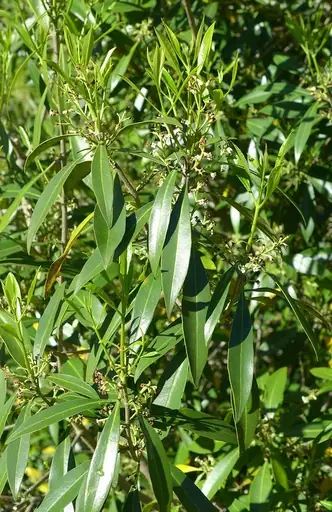
Devilwood earns the odd name honestly. Cartrema americanum, long known and still widely sold as Osmanthus americanus, carries a wood so cross-grained and stubborn that early woodworkers swore the timber was possessed, and the name has stuck for centuries, a small piece of American folklore hung on an otherwise gracious plant. The leaves are leathery, elliptical, and smooth-margined, a deep glossy green without the spines that arm so many tea olives, and they build into a dense, rounded evergreen of fifteen to twenty-five feet, handsome as screen, understory, or small tree.
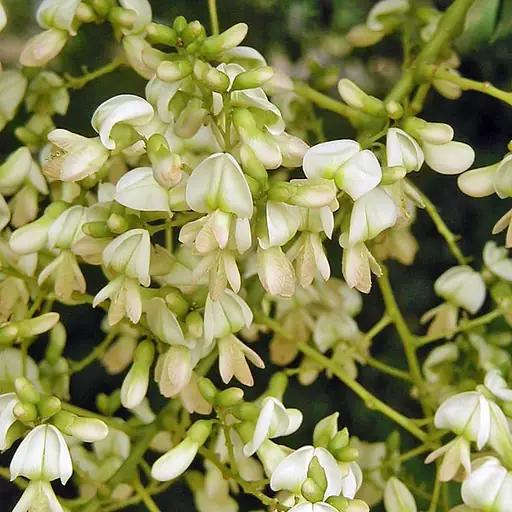
This is one of the few members of the tea olive clan native to North America, ranging through the coastal plain woodlands of the Southeast from Virginia to Texas and on into Mexico. Botanists now place the plant in the segregate genus Cartrema after the old Osmanthus proved a mixed assembly, and the accepted name takes the neuter ending, Cartrema americanum, which is worth knowing because the feminine spelling is still in wide circulation. In April and May come small clusters of creamy-white flowers, tucked among the leaves and easy to miss by eye, though the sweet fragrance carries on the air and draws the pollinators of mid-spring.
Dark blue-black drupes follow the flowers, olive-like and about half an inch across, and the larger birds and small mammals strip them through fall. For all the Southern range, the devilwood proves surprisingly cold hardy, holding as an evergreen well north of the native ground and ranking among the toughest broadleaf evergreens a cold-edge gardener can try, which is why other nurseries have taken the plant up and set the shrub into landscapes far from the coast.
Plant devilwood in sun or semi-shade, in most any soil including the moist and occasionally flooded ground of the native swamps, with extra water through prolonged drought. Growth runs slow and thin in deep shade at the northern edge of the range, so give more light where summers are short. Use the plant as an evergreen screen, a naturalized hedgerow, or a woodland understory among native azaleas and hollies, and site the shrub near a path or doorway where the spring fragrance can be met in passing. A quiet, underused native that asks little and gives year-round green.
Photo courtesy of Scott Zona
您可能也感兴趣
问题与讨论