
 精选
此页面以其原始语言显示,暂无翻译版本。
Seedsun 精选
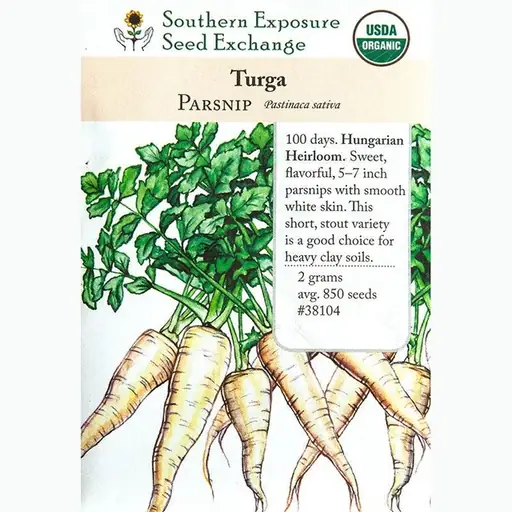
Turga Parsnip Seeds (Organic) for Garden Planting
SKU: SNV2019
The Turga Parsnip, also known as Pastinaca sativa 'Turga,' is a cultivar originating from Europe, renowned for its sweet, nutty flavor and adaptability to various growing conditions. The Turga Parsnip plant itself displays a biennial nature, forming a rosette of deeply lobed leaves and a taproot.
索取定制报价
价格、包装规格和供货情况将在您的专属报价单中确认。发送询价并不代表您已下单付款。
询问其适宜性、播种和生长要求。
请在报价单中确认送货方式和所需文件。
品种介绍
The Turga Parsnip, also known as Pastinaca sativa 'Turga,' is a cultivar originating from Europe, renowned for its sweet, nutty flavor and adaptability to various growing conditions. The Turga Parsnip plant itself displays a biennial nature, forming a rosette of deeply lobed leaves and a taproot that's the prized edible part. Its roots grow long and tapered, often reaching impressive sizes with a creamy-white, tender interior. Turga Parsnips offer a unique taste profile, featuring a sweet, nutty flavor with hints of earthiness.
Variety Details
- Plant type: Hardy Annual
- Growth habit: Herbaceous
- Crop category: Vegetable
- Kitchen profile: The Turga Parsnip, also known as Pastinaca sativa 'Turga,' is a cultivar originating from Europe, known for its sweet, nutty flavor and adaptability to various growing conditions.
- Recorded feature: Open-Pollinated
- Product format: Seed packet
Sowing & Growing
- Light: Full Sun
- Planting season: Spring
- Starting location: Direct Sow
- Recorded soil pH: 6.6 - 7.0
- Recorded USDA zones: 3, 4, 5, 6, 7, 8, 9
Use the product-specific sowing figures for Turga Parsnip as the starting point, then adjust timing to local soil temperature and frost conditions. Prepare the bed before planting, preserve the recorded spacing, and evaluate moisture at root depth instead of following a universal calendar. Watch development as the stated maturity window approaches and harvest at the size, texture, or color preferred for the crop. Label the row with the sowing date so actual performance can inform future plantings.
Before sowing Turga Parsnip, review the packet alongside the current product details and note any range in temperature, germination, or maturity. Ranges reflect biological and seasonal variation rather than a fixed promise. Label each planting with its date and location, then compare emergence, growth, and harvest with local weather. This record is useful for succession plantings and for deciding whether the crop fits better into an earlier or later seasonal window.
Explore related options in our Parsnip Seeds.
问题与讨论