
 精选
此页面以其原始语言显示,暂无翻译版本。
Seedsun 精选
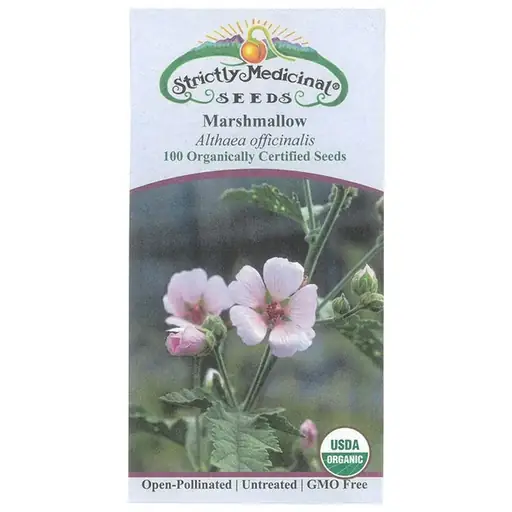
Marshmallow Seeds (Organic) for Garden Planting
SKU: SNV7028
Grow a classic herbs with certified organic Marshmallow seeds . Althaea officinalis , a member of the Mallow family ( Malvaceae ), is a herbaceous perennial native to Europe. This adaptable plant adds structure, biomass, and botanical beauty to herb gardens and permaculture systems alike..
索取定制报价
价格、包装规格和供货情况将在您的专属报价单中确认。发送询价并不代表您已下单付款。
询问其适宜性、播种和生长要求。
请在报价单中确认送货方式和所需文件。
品种介绍
Grow a classic herbs with certified organic Marshmallow seeds . Althaea officinalis , a member of the Mallow family ( Malvaceae ), is a herbaceous perennial native to Europe. This adaptable plant adds structure, biomass, and botanical beauty to herb gardens and permaculture systems alike. Marshmallow thrives in full sun to partial shade and prefers consistently moist, fertile soil. Germination typically occurs in 7–14 days. To encourage strong germination, gently scarify seeds with fine sandpaper before sowing. Sow in spring directly in the garden or start in pots—barely cover with soil, tamp lightly, and keep the surface evenly moist.
Variety Details
- Botanical name: Althaea officinalis
- Plant type: Tender Perennial
- Growth habit: Herbaceous
- Crop category: Vegetable
- Recorded feature: Open-Pollinated
- Product format: Seed packet
Sowing & Growing
- Soil Temperature: 65–75°F
- Planting Depth: Barely cover
- Germination: 7–14 Days
- Height At Maturity: Up to 48"
- Days To Maturity: Second Year Root Harvest
- Sun/Shade: Full Sun to Part Shade
- Spacing After Thinning: 18"–24"
Use the product-specific sowing figures for Marshmallow as the starting point, then adjust timing to local soil temperature and frost conditions. Prepare the bed before planting, preserve the recorded spacing, and evaluate moisture at root depth instead of following a universal calendar. Watch development as the stated maturity window approaches and harvest at the size, texture, or color preferred for the crop. Label the row with the sowing date so actual performance can inform future plantings.
Before sowing Marshmallow, review the packet alongside the current product details and note any range in temperature, germination, or maturity. Ranges reflect biological and seasonal variation rather than a fixed promise. Label each planting with its date and location, then compare emergence, growth, and harvest with local weather. This record is useful for succession plantings and for deciding whether the crop fits better into an earlier or later seasonal window.
Explore related options in our Herb Seeds.
问题与讨论