
 精选
此页面以其原始语言显示,暂无翻译版本。
Seedsun 精选
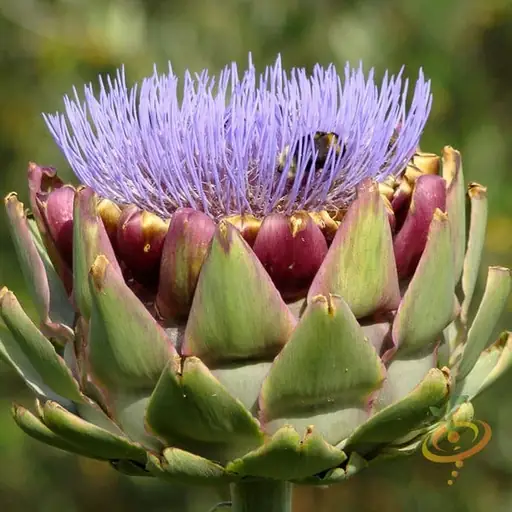
Cardoon (Purple Artichoke Thistle) seeds for Garden Planting
SKU: 95121
Exploring the Cardoon Herb Cardoon is a striking perennial herb that's often overlooked by home gardeners, yet it deserves a prominent place in any garden. Related to the artichoke, cardoon produces tall, silvery-green foliage and impressive thistle-like flowers. Beyond its ornamental appeal, this.
索取定制报价
价格、包装规格和供货情况将在您的专属报价单中确认。发送询价并不代表您已下单付款。
询问其适宜性、播种和生长要求。
请在报价单中确认送货方式和所需文件。
品种介绍
Exploring the Cardoon Herb
Cardoon is a striking perennial herb that's often overlooked by home gardeners, yet it deserves a prominent place in any garden. Related to the artichoke, cardoon produces tall, silvery-green foliage and impressive thistle-like flowers. Beyond its ornamental appeal, this Mediterranean native offers culinary and medicinal benefits that have been valued for generations.
What Is Cardoon?
Cardoon is a robust plant that can reach 3 to 4 feet in height, making it an excellent choice for creating vertical interest in garden beds. The plant features deeply lobed, silvery leaves that catch the light beautifully, and produces purple or blue flowers that attract pollinators. Both the stems and roots are edible, with a flavor reminiscent of artichoke hearts.
Planting and Growing Conditions
Cardoon thrives in full sun and well-draining soil. It's remarkably tolerant of poor soil conditions and drought, making it ideal for gardeners in drier climates. Start seeds indoors 6 to 8 weeks before the last frost, or direct sow after the danger of frost has passed. Space plants about 2 to 3 feet apart to allow room for their sprawling growth habit.
Care and Maintenance
Once established, cardoon requires minimal care. Water during extended dry periods, but the plant is quite drought-tolerant once its root system is developed. Cardoon doesn't need heavy fertilization and actually prefers leaner soil. Deadhead spent flowers to encourage continued blooming, or leave them to attract beneficial insects and pollinators to your garden.
Harvesting Cardoon
The edible stems are best harvested in the plant's second year, typically in late fall or early winter. Blanch the stems by wrapping them with burlap or cardboard several weeks before harvest to make them more tender and mild. The roots can also be dug and used, and the flowers are beautiful additions to fresh arrangements.
Why Grow Cardoon
Cardoon is a conversation starter in any garden. Its architectural form and silvery foliage provide year-round interest, while its edible and medicinal properties add practical value. The plant attracts pollinators and beneficial insects, supports your garden's ecosystem, and requires remarkably little maintenance once established.
Cardoon is an artichoke thistle. It has become an extremely important medicinal herb in recent years following the discovery of cynarin.The cardoon is related to the Globe artichoke.
Cardoons are recognized as a good source of potassium, calcium and iron. Artichoke oil, which is similar to sunflower or safflower oil, can be extracted from the seeds.
Cardoons can be baked, braised or boiled, and it's often a good idea to blanch them for up to 30 minutes before using them. Watch-out! Beware of sneaky thistles that may be lurking on the outer stalks -- (it's best to peel the outside a bit.) Cardoons are excellent fried! Try them simmered in broth, or added to a stew. If you're a cheesemaker, the purple stamens of the cardoon flower can be used to make vegetarian rennet!
See Cardoon Recipes & Growing Tips on our Pinterest Board
Follow 's board Cardoons on Pinterest.| Good Companion Plants for Artichokes | 📚 Artichoke Grow Guide |
问题与讨论