āđ€āļĄāļĨāđ‡āļ”āļžāļąāļ™āļ˜āļļāđŒāđ€āļĨāđ‡āļāđ† āđ€āļĄāļĨāđ‡āļ”āļžāļąāļ™āļ˜āļļāđŒāđāļŦāđˆāļ‡āļ„āļ§āļēāļĄāđ€āļ›āđ‡āļ™āđ„āļ›āđ„āļ”āđ‰āļĄāļēāļāļĄāļēāļĒāļŠāļ­āļšāļ–āļēāļĄāļ‚āđ‰āļ­āļĄāļđāļĨāļāļēāļĢāļ‚āļēāļĒāļŠāđˆāļ‡
āļŦāļ™āđ‰āļēāļ™āļĩāđ‰āđāļŠāļ”āļ‡āļœāļĨāđƒāļ™āļ āļēāļĐāļēāļ•āđ‰āļ™āļ‰āļšāļąāļš āļĒāļąāļ‡āđ„āļĄāđˆāļĄāļĩāļšāļĢāļīāļāļēāļĢāđāļ›āļĨāļ āļēāļĐāļēāđƒāļ™āļ‚āļ“āļ°āļ™āļĩāđ‰
āļāļēāļĢāļ„āļąāļ”āđ€āļĨāļ·āļ­āļāđ‚āļ”āļĒ Seedsun

Pepper (Hot) - Scotch Bonnet, Red ðŸ”ĨðŸ”ĨðŸ”Ĩ seeds

āļĢāļŦāļąāļŠāļŠāļīāļ™āļ„āđ‰āļē: FF628

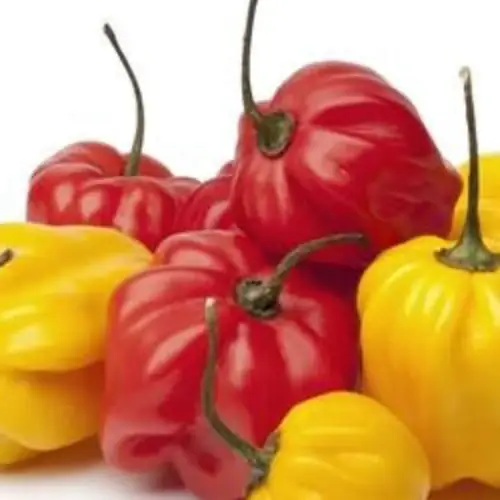
What Are Caribbean Red Scotch Bonnet Peppers? Caribbean Red Scotch Bonnet peppers are a legendary West Indian variety famous for their intense heat and distinctive fruity flavor. These small, wrinkled peppers feature a unique bonnet-like shape and mature to a vibrant red color. Scotch Bonnets are.

āļ‚āļ­āđƒāļšāđ€āļŠāļ™āļ­āļĢāļēāļ„āļēāļ—āļĩāđˆāļ›āļĢāļąāļšāđāļ•āđˆāļ‡āđƒāļŦāđ‰āđ€āļŦāļĄāļēāļ°āļŠāļĄāļāļąāļšāļ„āļ§āļēāļĄāļ•āđ‰āļ­āļ‡āļāļēāļĢāļ‚āļ­āļ‡āļ„āļļāļ“

āļĢāļēāļ„āļē āļ‚āļ™āļēāļ”āļšāļĢāļĢāļˆāļļāļ āļąāļ“āļ‘āđŒ āđāļĨāļ°āļ„āļ§āļēāļĄāļžāļĢāđ‰āļ­āļĄāļˆāļģāļŦāļ™āđˆāļēāļĒāļˆāļ°āđ„āļ”āđ‰āļĢāļąāļšāļāļēāļĢāļĒāļ·āļ™āļĒāļąāļ™āđƒāļ™āđƒāļšāđ€āļŠāļ™āļ­āļĢāļēāļ„āļēāļŠāđˆāļ§āļ™āļšāļļāļ„āļ„āļĨāļ‚āļ­āļ‡āļ„āļļāļ“ āļāļēāļĢāļŠāđˆāļ‡āļ„āļģāļŠāļ­āļšāļ–āļēāļĄāđ„āļĄāđˆāđ„āļ”āđ‰āļŦāļĄāļēāļĒāļ–āļķāļ‡āļāļēāļĢāļŠāļąāđˆāļ‡āļ‹āļ·āđ‰āļ­āđāļĨāļ°āļŠāļģāļĢāļ°āđ€āļ‡āļīāļ™āđ€āļĢāļĩāļĒāļšāļĢāđ‰āļ­āļĒāđāļĨāđ‰āļ§

āļŠāļ­āļšāļ–āļēāļĄāđ€āļāļĩāđˆāļĒāļ§āļāļąāļšāļ„āļ§āļēāļĄāđ€āļŦāļĄāļēāļ°āļŠāļĄ āļ§āļīāļ˜āļĩāļāļēāļĢāļ›āļĨāļđāļ āđāļĨāļ°āļ‚āđ‰āļ­āļāļģāļŦāļ™āļ”āđƒāļ™āļāļēāļĢāđ€āļˆāļĢāļīāļāđ€āļ•āļīāļšāđ‚āļ•
āļ•āļĢāļ§āļˆāļŠāļ­āļšāļ•āļąāļ§āđ€āļĨāļ·āļ­āļāļāļēāļĢāļˆāļąāļ”āļŠāđˆāļ‡āđāļĨāļ°āđ€āļ­āļāļŠāļēāļĢāļ—āļĩāđˆāļˆāļģāđ€āļ›āđ‡āļ™āđƒāļ™āđƒāļšāđ€āļŠāļ™āļ­āļĢāļēāļ„āļēāļ‚āļ­āļ‡āļ„āļļāļ“

āđ€āļāļĩāđˆāļĒāļ§āļāļąāļšāļžāļąāļ™āļ˜āļļāđŒāļ™āļĩāđ‰


What Are Caribbean Red Scotch Bonnet Peppers?

Caribbean Red Scotch Bonnet peppers are a legendary West Indian variety famous for their intense heat and distinctive fruity flavor. These small, wrinkled peppers feature a unique bonnet-like shape and mature to a vibrant red color. Scotch Bonnets are significantly hotter than jalapeÃąos and deliver serious heat paired with a complex, fruity taste that's become iconic in Caribbean cuisine. They're essential for anyone seeking authentic Caribbean flavors and genuine spice that commands respect in the kitchen.

Flavor Profile and Heat Level

Caribbean Red Scotch Bonnet peppers pack serious, uncompromising heat with a distinctive fruity undertone that sets them apart from other superhot varieties. Their flavor is bright and tropical with subtle citrus notes that emerge beneath the intense fire. The heat builds quickly and lingers persistently on the palate, delivering a sustained burn that serious spice enthusiasts crave. This combination of extreme heat and sophisticated flavor makes them ideal for hot sauces, marinades, and dishes where you want both intensity and complexity. Scoville heat units (SHU): 100,000-350,000/hot

Growing Caribbean Red Scotch Bonnets at Home

Caribbean Red Scotch Bonnet peppers thrive in warm, humid conditions with well-draining soil and consistent moisture. These plants love heat and produce abundantly in full sun exposure. Start seeds indoors 10 to 12 weeks before your last frost date, then transplant outdoors once soil temperatures reach 70°F or higher. The plants grow to moderate height, typically 2 to 3 feet tall, and produce abundant fruit throughout the growing season. They appreciate regular feeding and benefit from consistent watering in hot climates.

Culinary Uses

Caribbean Red Scotch Bonnets excel in bold, intensely spicy applications. Use them to craft fiery hot sauces with authentic Caribbean character, create spicy marinades for jerk chicken and seafood, or incorporate them into curries and stews for serious heat. They're excellent in salsas, condiments, and any dish where you want both extreme spice and fruity flavor complexity. Their distinctive taste makes them essential for authentic Caribbean cooking and perfect for adventurous cooks seeking genuine heat.

Harvesting and Storage

Harvest Caribbean Red Scotch Bonnets when they've fully matured to their deep red color for maximum heat and flavor development. Pick regularly throughout the season to encourage continuous flowering and fruiting on these productive plants. Fresh peppers store in the refrigerator for several weeks, while drying them preserves their heat and fruity flavor indefinitely. Dried Scotch Bonnets can be rehydrated for cooking, ground into powder for seasoning blends, or stored whole for long-term use in your spice collection.

In Summary

The Red Scotch Bonnet Pepper is so named because its defined lobes resemble a Scotsman’s tam o’ shanter hat. Also called the Caribbean Red Pepper, the stout little fruit is sweeter and fruitier than its cousin, the Habanero, and hot enough to make a bird fly north for the winter. The plant puts out loads of 1"-2" green waxy fruits with thin skin that ripen through yellow, orange, and red. Its extreme heat and unique flavor is traditionally used in Caribbean hot sauce and jerk seasoning, but will be just as tasty and burn just as hot in any of your recipes.

  • High yields
  • Fresh, fruity flavor
  • Harvest any color
  • Good for containers

SEED PLANTING TIPS

  • Botanical name: Capsicum chinense
  • Pepper length: 1"-2"
  • Scoville heat units (SHU): 100,000-350,000/hot
  • Plant support: Tomato cage or stake
  • Depth to plant seeds: .25" deep
  • Spacing between plants: 18"-24" apart
  • Spacing between rows: 24"-36" apart
  • Days to germinate (sprout): 7-21 days
  • Germination soil temps: 75F-85F
  • Soil needs: 6.0-7.0 pH
  • Sun needs: Full sun
  • Frost hardy: No
  • Planting season: Spring, summer
  • # of plants per sq. ft.: Appx. 1 plant per sq. ft.
  • Days to maturity: 90-120 days

Good companion plants: Basil, Carrot, Cucumber, Eggplant, Okra, Rosemary, Sage, Squash, Tomato

All Peppers ⟐ Hot Peppers  📚 Hot Peppers Grow Guide

āļ„āļģāļ–āļēāļĄāđāļĨāļ°āļāļēāļĢāļ­āļ āļīāļ›āļĢāļēāļĒ

āļšāļ—āļ„āļ§āļēāļĄāļ—āļĩāđˆāļŠāđˆāļ‡āđ€āļ‚āđ‰āļēāļĄāļēāļˆāļ°āđ„āļ”āđ‰āļĢāļąāļšāļāļēāļĢāļ•āļĢāļ§āļˆāļŠāļ­āļšāļāđˆāļ­āļ™āđ€āļœāļĒāđāļžāļĢāđˆ āļāļĢāļļāļ“āļēāđ€āļ‚āđ‰āļēāļŠāļđāđˆāļĢāļ°āļšāļšāđ€āļžāļ·āđˆāļ­āđ‚āļžāļŠāļ•āđŒāļāļĢāļ°āļ—āļđāđ‰āđƒāļŦāļĄāđˆ

āļĒāļąāļ‡āļĄāļĩāļŠāļīāđˆāļ‡āđƒāļŦāđ‰āļ„āđ‰āļ™āļžāļšāļ­āļĩāļāļĄāļēāļāļĄāļēāļĒ

āđ€āļĄāļĨāđ‡āļ”āļĄāļ°āđ€āļ‚āļ·āļ­āđ€āļ—āļĻāļ­āļ­āļĢāđŒāđāļāļ™āļīāļāļ‹āļēāļ™āļĄāļēāļĢāđŒāļ‹āļēāđ‚āļ™āļŠāļģāļŦāļĢāļąāļšāļ›āļĨāļđāļāđƒāļ™āļŠāļ§āļ™āđ€āļĨāļ·āļ­āļāđāļĨāđ‰āļ§
āļāļēāļĢāļ„āļąāļ”āđ€āļĨāļ·āļ­āļāđ‚āļ”āļĒ Seedsun

āđ€āļĄāļĨāđ‡āļ”āļĄāļ°āđ€āļ‚āļ·āļ­āđ€āļ—āļĻāļ­āļ­āļĢāđŒāđāļāļ™āļīāļāļ‹āļēāļ™āļĄāļēāļĢāđŒāļ‹āļēāđ‚āļ™āļŠāļģāļŦāļĢāļąāļšāļ›āļĨāļđāļāđƒāļ™āļŠāļ§āļ™

āļ‚āļ­āđƒāļšāđ€āļŠāļ™āļ­āļĢāļēāļ„āļēāļ—āļĩāđˆāļ›āļĢāļąāļšāđāļ•āđˆāļ‡āđƒāļŦāđ‰āđ€āļŦāļĄāļēāļ°āļŠāļĄāļāļąāļšāļ„āļ§āļēāļĄāļ•āđ‰āļ­āļ‡āļāļēāļĢāļ‚āļ­āļ‡āļ„āļļāļ“

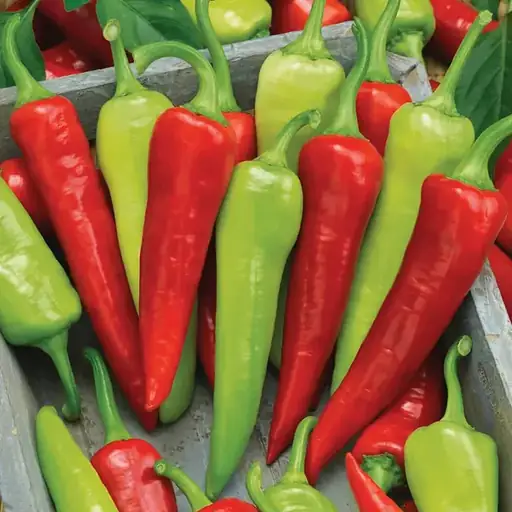
āđ€āļĄāļĨāđ‡āļ”āļžāļĢāļīāļāļŦāļ§āļēāļ™āļŠāļģāļŦāļĢāļąāļšāļ›āļĨāļđāļāđƒāļ™āļŠāļ§āļ™āđ€āļĨāļ·āļ­āļāđāļĨāđ‰āļ§
āļāļēāļĢāļ„āļąāļ”āđ€āļĨāļ·āļ­āļāđ‚āļ”āļĒ Seedsun

āđ€āļĄāļĨāđ‡āļ”āļžāļĢāļīāļāļŦāļ§āļēāļ™āļŠāļģāļŦāļĢāļąāļšāļ›āļĨāļđāļāđƒāļ™āļŠāļ§āļ™

āļ‚āļ­āđƒāļšāđ€āļŠāļ™āļ­āļĢāļēāļ„āļēāļ—āļĩāđˆāļ›āļĢāļąāļšāđāļ•āđˆāļ‡āđƒāļŦāđ‰āđ€āļŦāļĄāļēāļ°āļŠāļĄāļāļąāļšāļ„āļ§āļēāļĄāļ•āđ‰āļ­āļ‡āļāļēāļĢāļ‚āļ­āļ‡āļ„āļļāļ“

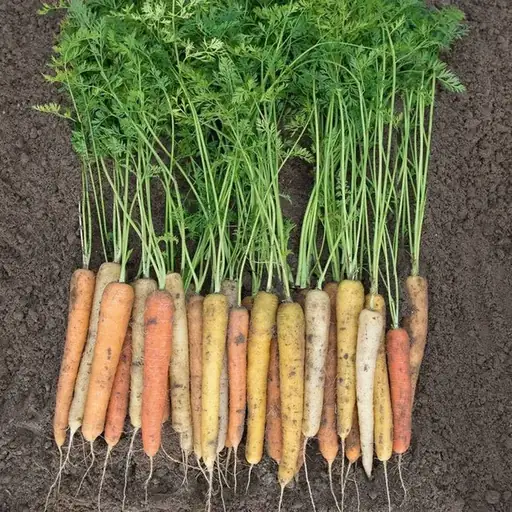
āđ€āļĄāļĨāđ‡āļ”āđāļ„āļĢāļ­āļ—āđ„āļŪāļšāļĢāļīāļ”āļŠāļĩāļĢāļļāđ‰āļ‡ āļŠāļģāļŦāļĢāļąāļšāļ›āļĨāļđāļāđƒāļ™āļŠāļ§āļ™āđ€āļĨāļ·āļ­āļāđāļĨāđ‰āļ§
āļāļēāļĢāļ„āļąāļ”āđ€āļĨāļ·āļ­āļāđ‚āļ”āļĒ Seedsun

āđ€āļĄāļĨāđ‡āļ”āđāļ„āļĢāļ­āļ—āđ„āļŪāļšāļĢāļīāļ”āļŠāļĩāļĢāļļāđ‰āļ‡ āļŠāļģāļŦāļĢāļąāļšāļ›āļĨāļđāļāđƒāļ™āļŠāļ§āļ™

āļ‚āļ­āđƒāļšāđ€āļŠāļ™āļ­āļĢāļēāļ„āļēāļ—āļĩāđˆāļ›āļĢāļąāļšāđāļ•āđˆāļ‡āđƒāļŦāđ‰āđ€āļŦāļĄāļēāļ°āļŠāļĄāļāļąāļšāļ„āļ§āļēāļĄāļ•āđ‰āļ­āļ‡āļāļēāļĢāļ‚āļ­āļ‡āļ„āļļāļ“

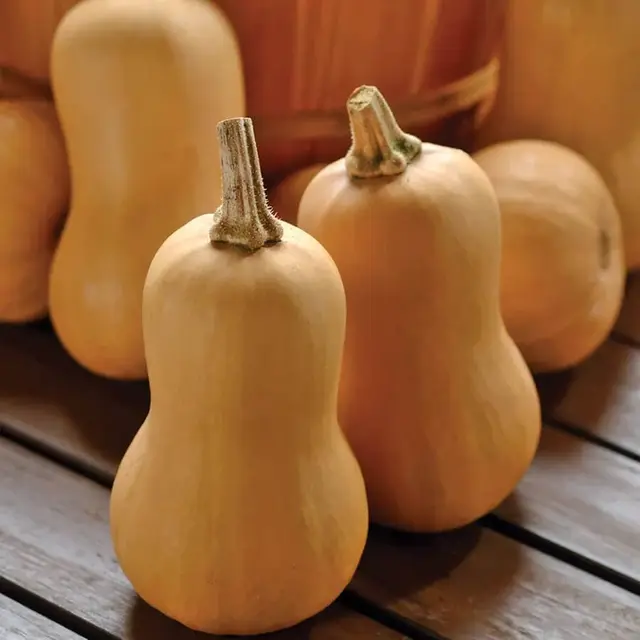
āđ€āļĄāļĨāđ‡āļ”āļžāļąāļ™āļ˜āļļāđŒāļŸāļąāļāļ—āļ­āļ‡āļ­āļ­āļĢāđŒāđāļāļ™āļīāļ Butterbaby āļŠāļģāļŦāļĢāļąāļšāļ›āļĨāļđāļāđƒāļ™āļŠāļ§āļ™āđ€āļĨāļ·āļ­āļāđāļĨāđ‰āļ§
āļāļēāļĢāļ„āļąāļ”āđ€āļĨāļ·āļ­āļāđ‚āļ”āļĒ Seedsun

āđ€āļĄāļĨāđ‡āļ”āļžāļąāļ™āļ˜āļļāđŒāļŸāļąāļāļ—āļ­āļ‡āļ­āļ­āļĢāđŒāđāļāļ™āļīāļ Butterbaby āļŠāļģāļŦāļĢāļąāļšāļ›āļĨāļđāļāđƒāļ™āļŠāļ§āļ™

āļ‚āļ­āđƒāļšāđ€āļŠāļ™āļ­āļĢāļēāļ„āļēāļ—āļĩāđˆāļ›āļĢāļąāļšāđāļ•āđˆāļ‡āđƒāļŦāđ‰āđ€āļŦāļĄāļēāļ°āļŠāļĄāļāļąāļšāļ„āļ§āļēāļĄāļ•āđ‰āļ­āļ‡āļāļēāļĢāļ‚āļ­āļ‡āļ„āļļāļ“

āļ•āļ°āļāļĢāđ‰āļēāđƒāļšāđ€āļŠāļ™āļ­āļĢāļēāļ„āļē 0

āļĢāļēāļ„āļē āļ‚āļ™āļēāļ”āļšāļĢāļĢāļˆāļļāļ āļąāļ“āļ‘āđŒ āđāļĨāļ°āļ„āļ§āļēāļĄāļžāļĢāđ‰āļ­āļĄāļˆāļģāļŦāļ™āđˆāļēāļĒāļˆāļ°āđ„āļ”āđ‰āļĢāļąāļšāļāļēāļĢāļĒāļ·āļ™āļĒāļąāļ™āđƒāļ™āđƒāļšāđ€āļŠāļ™āļ­āļĢāļēāļ„āļēāļŠāđˆāļ§āļ™āļšāļļāļ„āļ„āļĨāļ‚āļ­āļ‡āļ„āļļāļ“ āļāļēāļĢāļŠāđˆāļ‡āļ„āļģāļŠāļ­āļšāļ–āļēāļĄāđ„āļĄāđˆāđ„āļ”āđ‰āļŦāļĄāļēāļĒāļ–āļķāļ‡āļāļēāļĢāļŠāļąāđˆāļ‡āļ‹āļ·āđ‰āļ­āđāļĨāļ°āļŠāļģāļĢāļ°āđ€āļ‡āļīāļ™āđ€āļĢāļĩāļĒāļšāļĢāđ‰āļ­āļĒāđāļĨāđ‰āļ§

Seedsun

āļĄāļēāļžāļđāļ”āļ–āļķāļ‡āđ€āļĄāļĨāđ‡āļ”āļžāļąāļ™āļ˜āļļāđŒāļāļąāļ™āđ€āļ–āļ­āļ°

āđ‚āļ›āļĢāļ”āđāļˆāđ‰āļ‡āļ„āļ§āļēāļĄāļ•āđ‰āļ­āļ‡āļāļēāļĢāļ‚āļ­āļ‡āļ„āļļāļ“ āļĢāļ§āļĄāļ–āļķāļ‡āļŠāļ™āļīāļ” āļ›āļĢāļīāļĄāļēāļ“ āđāļĨāļ°āļ›āļĨāļēāļĒāļ—āļēāļ‡ āđ€āļžāļ·āđˆāļ­āļ—āļĩāđˆāđ€āļĢāļēāļˆāļ°āđ„āļ”āđ‰āđ€āļ•āļĢāļĩāļĒāļĄāļ„āļģāļ•āļ­āļšāļ—āļĩāđˆāđ€āļŦāļĄāļēāļ°āļŠāļĄāđƒāļŦāđ‰

āđ€āļĢāļēāđƒāļŠāđ‰āļ‚āđ‰āļ­āļĄāļđāļĨāļ‚āļ­āļ‡āļ„āļļāļ“āđ€āļžāļ·āđˆāļ­āļ•āļ­āļšāļ‚āđ‰āļ­āļ‹āļąāļāļ–āļēāļĄāļ™āļĩāđ‰ āđ‚āļ›āļĢāļ”āļ­āđˆāļēāļ™āļ™āđ‚āļĒāļšāļēāļĒāļ„āļ§āļēāļĄāđ€āļ›āđ‡āļ™āļŠāđˆāļ§āļ™āļ•āļąāļ§āļ‚āļ­āļ‡āđ€āļĢāļē āļ™āđ‚āļĒāļšāļēāļĒāļ„āļ§āļēāļĄāđ€āļ›āđ‡āļ™āļŠāđˆāļ§āļ™āļ•āļąāļ§