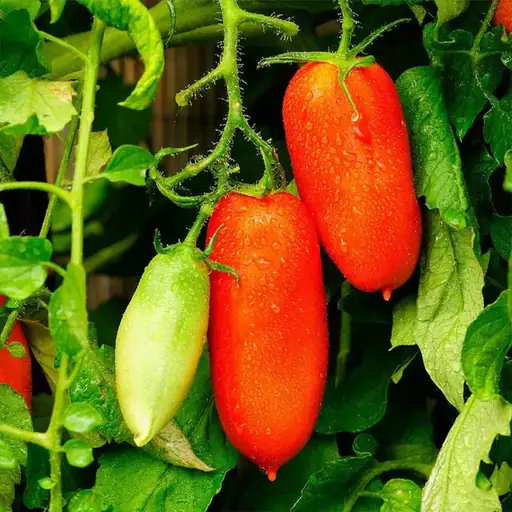
āđ€āļĄāļĨāđ‡āļ”āļžāļąāļ™āļ˜āļļāđŒāđ€āļĨāđ‡āļāđ† āđ€āļĄāļĨāđ‡āļ”āļžāļąāļ™āļ˜āļļāđŒāđāļŦāđˆāļ‡āļ„āļ§āļēāļĄāđ€āļ›āđ‡āļ™āđ„āļ›āđ„āļ”āđ‰āļĄāļēāļāļĄāļēāļĒāļŠāļ­āļšāļ–āļēāļĄāļ‚āđ‰āļ­āļĄāļđāļĨāļāļēāļĢāļ‚āļēāļĒāļŠāđˆāļ‡
āļŦāļ™āđ‰āļēāļ™āļĩāđ‰āđāļŠāļ”āļ‡āļœāļĨāđƒāļ™āļ āļēāļĐāļēāļ•āđ‰āļ™āļ‰āļšāļąāļš āļĒāļąāļ‡āđ„āļĄāđˆāļĄāļĩāļšāļĢāļīāļāļēāļĢāđāļ›āļĨāļ āļēāļĐāļēāđƒāļ™āļ‚āļ“āļ°āļ™āļĩāđ‰
āļāļēāļĢāļ„āļąāļ”āđ€āļĨāļ·āļ­āļāđ‚āļ”āļĒ Seedsun

Pepper (Hot) - Cherry, Red ðŸ”ĨðŸ”Ĩ seeds

āļĢāļŦāļąāļŠāļŠāļīāļ™āļ„āđ‰āļē: 95321

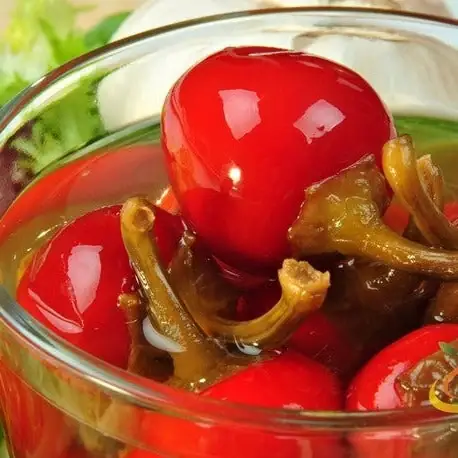
What Are Red Hot Cherry Peppers? Red Hot Cherry peppers are a charming ornamental variety that combines visual appeal with genuine culinary heat. These small, round peppers resemble cherries in both shape and size, maturing to a brilliant red color that creates a stunning display in any garden..

āļ‚āļ­āđƒāļšāđ€āļŠāļ™āļ­āļĢāļēāļ„āļēāļ—āļĩāđˆāļ›āļĢāļąāļšāđāļ•āđˆāļ‡āđƒāļŦāđ‰āđ€āļŦāļĄāļēāļ°āļŠāļĄāļāļąāļšāļ„āļ§āļēāļĄāļ•āđ‰āļ­āļ‡āļāļēāļĢāļ‚āļ­āļ‡āļ„āļļāļ“

āļĢāļēāļ„āļē āļ‚āļ™āļēāļ”āļšāļĢāļĢāļˆāļļāļ āļąāļ“āļ‘āđŒ āđāļĨāļ°āļ„āļ§āļēāļĄāļžāļĢāđ‰āļ­āļĄāļˆāļģāļŦāļ™āđˆāļēāļĒāļˆāļ°āđ„āļ”āđ‰āļĢāļąāļšāļāļēāļĢāļĒāļ·āļ™āļĒāļąāļ™āđƒāļ™āđƒāļšāđ€āļŠāļ™āļ­āļĢāļēāļ„āļēāļŠāđˆāļ§āļ™āļšāļļāļ„āļ„āļĨāļ‚āļ­āļ‡āļ„āļļāļ“ āļāļēāļĢāļŠāđˆāļ‡āļ„āļģāļŠāļ­āļšāļ–āļēāļĄāđ„āļĄāđˆāđ„āļ”āđ‰āļŦāļĄāļēāļĒāļ–āļķāļ‡āļāļēāļĢāļŠāļąāđˆāļ‡āļ‹āļ·āđ‰āļ­āđāļĨāļ°āļŠāļģāļĢāļ°āđ€āļ‡āļīāļ™āđ€āļĢāļĩāļĒāļšāļĢāđ‰āļ­āļĒāđāļĨāđ‰āļ§

āļŠāļ­āļšāļ–āļēāļĄāđ€āļāļĩāđˆāļĒāļ§āļāļąāļšāļ„āļ§āļēāļĄāđ€āļŦāļĄāļēāļ°āļŠāļĄ āļ§āļīāļ˜āļĩāļāļēāļĢāļ›āļĨāļđāļ āđāļĨāļ°āļ‚āđ‰āļ­āļāļģāļŦāļ™āļ”āđƒāļ™āļāļēāļĢāđ€āļˆāļĢāļīāļāđ€āļ•āļīāļšāđ‚āļ•
āļ•āļĢāļ§āļˆāļŠāļ­āļšāļ•āļąāļ§āđ€āļĨāļ·āļ­āļāļāļēāļĢāļˆāļąāļ”āļŠāđˆāļ‡āđāļĨāļ°āđ€āļ­āļāļŠāļēāļĢāļ—āļĩāđˆāļˆāļģāđ€āļ›āđ‡āļ™āđƒāļ™āđƒāļšāđ€āļŠāļ™āļ­āļĢāļēāļ„āļēāļ‚āļ­āļ‡āļ„āļļāļ“

āđ€āļāļĩāđˆāļĒāļ§āļāļąāļšāļžāļąāļ™āļ˜āļļāđŒāļ™āļĩāđ‰

What Are Red Hot Cherry Peppers?

Red Hot Cherry peppers are a charming ornamental variety that combines visual appeal with genuine culinary heat. These small, round peppers resemble cherries in both shape and size, maturing to a brilliant red color that creates a stunning display in any garden. Despite their cute appearance, Red Hot Cherries pack surprising heat and a bright, fruity flavor that makes them far more than just a pretty pepper. They're perfect for gardeners seeking both aesthetic beauty and functional spice in a compact package.

Flavor Profile and Heat Level

Red Hot Cherry peppers deliver moderate to moderately-hot heat with a bright, fruity flavor that's surprisingly complex for their small size. Their taste is sweet and slightly citrusy with subtle floral undertones that emerge when eaten fresh. The heat builds gradually and provides a pleasant, lingering warmth that lingers pleasantly on the palate. This balanced profile makes them excellent for fresh eating, pickling, and any application where you want both visual impact and genuine spice without overwhelming intensity. Scoville heat units (SHU): 3,000-5,000/mild to medium

Growing Red Hot Cherry Peppers at Home

Red Hot Cherry peppers are prolific, compact plants that thrive in warm, sunny locations with well-draining soil and consistent moisture. These plants love heat and produce abundantly in full sun exposure. Start seeds indoors 8 to 10 weeks before your last frost date, then transplant outdoors once soil temperatures warm to 65°F or higher. The plants stay very compact, typically reaching just 1 to 2 feet tall, making them perfect for containers, window boxes, and garden borders where their colorful fruit display can be fully appreciated.

Culinary Uses

Red Hot Cherry peppers work beautifully in applications showcasing their attractive appearance. Pickle them whole for stunning, colorful condiments with genuine heat. Use them fresh in salsas, salads, and garnishes for both visual appeal and spicy flavor. They're excellent roasted whole, stuffed with cream cheese or other fillings for impressive appetizers, or incorporated into stir-fries and Asian dishes. Their small size and attractive color make them ideal for infusing vinegars and oils, creating both visually beautiful and flavorful condiments.

Harvesting and Storage

Harvest Red Hot Cherry peppers when they've fully matured to their brilliant red color for maximum heat and flavor development. Pick regularly throughout the season to encourage continuous flowering and fruiting on these prolific plants. Fresh peppers store in the refrigerator for up to three weeks, while pickling them extends their shelf life and develops additional flavor complexity. Their small size makes them ideal for whole pickling, creating beautiful, colorful condiments perfect for your pantry and table.

In Summary

Before you toss this cute little Red Cherry Pepper into your mouth, remember that it’s affectionately called a cherry bomb. Vigorous plants ignite a barrage of firm fruits that ripen from dark green to bright red. Plump and smooth, crunchy and spicy, with a slightly sweet flavor. Makes a dynamite jelly, or charge them up with cream cheese for a big platter of poppers. 

The Red Cherry Sweet Pepper is just as cute and little, with no heat or bomb jargon.

  • High yields
  • Small, round, and spicy
  • Good fresh, cooked, and dried
  • Good for containers

SEED PLANTING TIPS

  • Botanical name: Capsicum annuum
  • Pepper size: 1"-2" diameter
  • Scoville heat units (SHU): 3,000-5,000/mild to medium
  • Plant support: Tomato cage or stake
  • Depth to plant seeds: .25" deep
  • Spacing between plants: 18"-24" apart
  • Spacing between rows: 24"-36" apart
  • Days to germinate (sprout): 7-21 days
  • Germination soil temps: 75F-85F
  • Soil needs: 6.0-7.0 pH
  • Sun needs: Full sun
  • Frost hardy: No
  • Planting season: Spring, summer
  • # of plants per sq. ft.: Appx. 1 plant per sq. ft.
  • Days to maturity: 75-85 days 

Good companion plants: Basil, Carrot, Cucumber, Eggplant, Okra, Rosemary, Sage, Squash, Tomato

All Peppers ⟐ Hot Peppers  📚 Hot Peppers Grow Guide

āļ„āļģāļ–āļēāļĄāđāļĨāļ°āļāļēāļĢāļ­āļ āļīāļ›āļĢāļēāļĒ

āļšāļ—āļ„āļ§āļēāļĄāļ—āļĩāđˆāļŠāđˆāļ‡āđ€āļ‚āđ‰āļēāļĄāļēāļˆāļ°āđ„āļ”āđ‰āļĢāļąāļšāļāļēāļĢāļ•āļĢāļ§āļˆāļŠāļ­āļšāļāđˆāļ­āļ™āđ€āļœāļĒāđāļžāļĢāđˆ āļāļĢāļļāļ“āļēāđ€āļ‚āđ‰āļēāļŠāļđāđˆāļĢāļ°āļšāļšāđ€āļžāļ·āđˆāļ­āđ‚āļžāļŠāļ•āđŒāļāļĢāļ°āļ—āļđāđ‰āđƒāļŦāļĄāđˆ

āļĒāļąāļ‡āļĄāļĩāļŠāļīāđˆāļ‡āđƒāļŦāđ‰āļ„āđ‰āļ™āļžāļšāļ­āļĩāļāļĄāļēāļāļĄāļēāļĒ

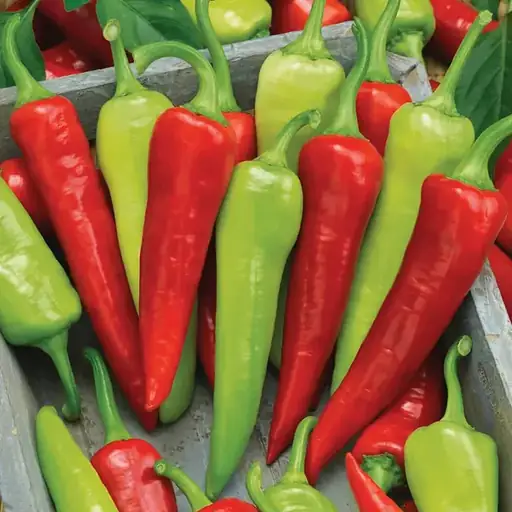
āđ€āļĄāļĨāđ‡āļ”āļĄāļ°āđ€āļ‚āļ·āļ­āđ€āļ—āļĻāļ­āļ­āļĢāđŒāđāļāļ™āļīāļāļ‹āļēāļ™āļĄāļēāļĢāđŒāļ‹āļēāđ‚āļ™āļŠāļģāļŦāļĢāļąāļšāļ›āļĨāļđāļāđƒāļ™āļŠāļ§āļ™āđ€āļĨāļ·āļ­āļāđāļĨāđ‰āļ§
āļāļēāļĢāļ„āļąāļ”āđ€āļĨāļ·āļ­āļāđ‚āļ”āļĒ Seedsun

āđ€āļĄāļĨāđ‡āļ”āļĄāļ°āđ€āļ‚āļ·āļ­āđ€āļ—āļĻāļ­āļ­āļĢāđŒāđāļāļ™āļīāļāļ‹āļēāļ™āļĄāļēāļĢāđŒāļ‹āļēāđ‚āļ™āļŠāļģāļŦāļĢāļąāļšāļ›āļĨāļđāļāđƒāļ™āļŠāļ§āļ™

āļ‚āļ­āđƒāļšāđ€āļŠāļ™āļ­āļĢāļēāļ„āļēāļ—āļĩāđˆāļ›āļĢāļąāļšāđāļ•āđˆāļ‡āđƒāļŦāđ‰āđ€āļŦāļĄāļēāļ°āļŠāļĄāļāļąāļšāļ„āļ§āļēāļĄāļ•āđ‰āļ­āļ‡āļāļēāļĢāļ‚āļ­āļ‡āļ„āļļāļ“

āđ€āļĄāļĨāđ‡āļ”āļžāļĢāļīāļāļŦāļ§āļēāļ™āļŠāļģāļŦāļĢāļąāļšāļ›āļĨāļđāļāđƒāļ™āļŠāļ§āļ™āđ€āļĨāļ·āļ­āļāđāļĨāđ‰āļ§
āļāļēāļĢāļ„āļąāļ”āđ€āļĨāļ·āļ­āļāđ‚āļ”āļĒ Seedsun

āđ€āļĄāļĨāđ‡āļ”āļžāļĢāļīāļāļŦāļ§āļēāļ™āļŠāļģāļŦāļĢāļąāļšāļ›āļĨāļđāļāđƒāļ™āļŠāļ§āļ™

āļ‚āļ­āđƒāļšāđ€āļŠāļ™āļ­āļĢāļēāļ„āļēāļ—āļĩāđˆāļ›āļĢāļąāļšāđāļ•āđˆāļ‡āđƒāļŦāđ‰āđ€āļŦāļĄāļēāļ°āļŠāļĄāļāļąāļšāļ„āļ§āļēāļĄāļ•āđ‰āļ­āļ‡āļāļēāļĢāļ‚āļ­āļ‡āļ„āļļāļ“

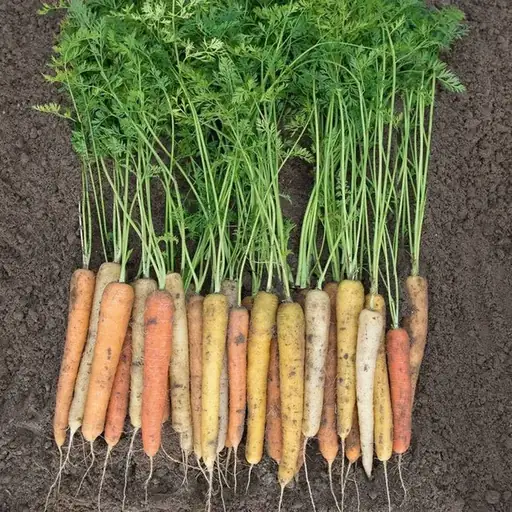
āđ€āļĄāļĨāđ‡āļ”āđāļ„āļĢāļ­āļ—āđ„āļŪāļšāļĢāļīāļ”āļŠāļĩāļĢāļļāđ‰āļ‡ āļŠāļģāļŦāļĢāļąāļšāļ›āļĨāļđāļāđƒāļ™āļŠāļ§āļ™āđ€āļĨāļ·āļ­āļāđāļĨāđ‰āļ§
āļāļēāļĢāļ„āļąāļ”āđ€āļĨāļ·āļ­āļāđ‚āļ”āļĒ Seedsun

āđ€āļĄāļĨāđ‡āļ”āđāļ„āļĢāļ­āļ—āđ„āļŪāļšāļĢāļīāļ”āļŠāļĩāļĢāļļāđ‰āļ‡ āļŠāļģāļŦāļĢāļąāļšāļ›āļĨāļđāļāđƒāļ™āļŠāļ§āļ™

āļ‚āļ­āđƒāļšāđ€āļŠāļ™āļ­āļĢāļēāļ„āļēāļ—āļĩāđˆāļ›āļĢāļąāļšāđāļ•āđˆāļ‡āđƒāļŦāđ‰āđ€āļŦāļĄāļēāļ°āļŠāļĄāļāļąāļšāļ„āļ§āļēāļĄāļ•āđ‰āļ­āļ‡āļāļēāļĢāļ‚āļ­āļ‡āļ„āļļāļ“

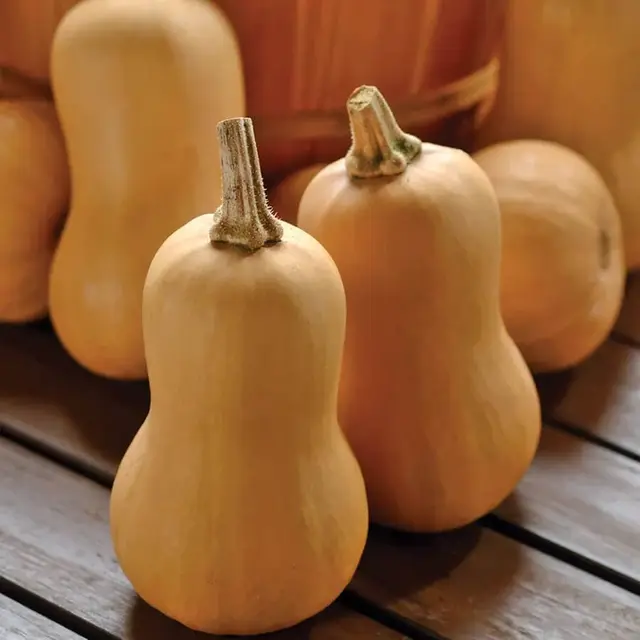
āđ€āļĄāļĨāđ‡āļ”āļžāļąāļ™āļ˜āļļāđŒāļŸāļąāļāļ—āļ­āļ‡āļ­āļ­āļĢāđŒāđāļāļ™āļīāļ Butterbaby āļŠāļģāļŦāļĢāļąāļšāļ›āļĨāļđāļāđƒāļ™āļŠāļ§āļ™āđ€āļĨāļ·āļ­āļāđāļĨāđ‰āļ§
āļāļēāļĢāļ„āļąāļ”āđ€āļĨāļ·āļ­āļāđ‚āļ”āļĒ Seedsun

āđ€āļĄāļĨāđ‡āļ”āļžāļąāļ™āļ˜āļļāđŒāļŸāļąāļāļ—āļ­āļ‡āļ­āļ­āļĢāđŒāđāļāļ™āļīāļ Butterbaby āļŠāļģāļŦāļĢāļąāļšāļ›āļĨāļđāļāđƒāļ™āļŠāļ§āļ™

āļ‚āļ­āđƒāļšāđ€āļŠāļ™āļ­āļĢāļēāļ„āļēāļ—āļĩāđˆāļ›āļĢāļąāļšāđāļ•āđˆāļ‡āđƒāļŦāđ‰āđ€āļŦāļĄāļēāļ°āļŠāļĄāļāļąāļšāļ„āļ§āļēāļĄāļ•āđ‰āļ­āļ‡āļāļēāļĢāļ‚āļ­āļ‡āļ„āļļāļ“

āļ•āļ°āļāļĢāđ‰āļēāđƒāļšāđ€āļŠāļ™āļ­āļĢāļēāļ„āļē 0

āļĢāļēāļ„āļē āļ‚āļ™āļēāļ”āļšāļĢāļĢāļˆāļļāļ āļąāļ“āļ‘āđŒ āđāļĨāļ°āļ„āļ§āļēāļĄāļžāļĢāđ‰āļ­āļĄāļˆāļģāļŦāļ™āđˆāļēāļĒāļˆāļ°āđ„āļ”āđ‰āļĢāļąāļšāļāļēāļĢāļĒāļ·āļ™āļĒāļąāļ™āđƒāļ™āđƒāļšāđ€āļŠāļ™āļ­āļĢāļēāļ„āļēāļŠāđˆāļ§āļ™āļšāļļāļ„āļ„āļĨāļ‚āļ­āļ‡āļ„āļļāļ“ āļāļēāļĢāļŠāđˆāļ‡āļ„āļģāļŠāļ­āļšāļ–āļēāļĄāđ„āļĄāđˆāđ„āļ”āđ‰āļŦāļĄāļēāļĒāļ–āļķāļ‡āļāļēāļĢāļŠāļąāđˆāļ‡āļ‹āļ·āđ‰āļ­āđāļĨāļ°āļŠāļģāļĢāļ°āđ€āļ‡āļīāļ™āđ€āļĢāļĩāļĒāļšāļĢāđ‰āļ­āļĒāđāļĨāđ‰āļ§

Seedsun

āļĄāļēāļžāļđāļ”āļ–āļķāļ‡āđ€āļĄāļĨāđ‡āļ”āļžāļąāļ™āļ˜āļļāđŒāļāļąāļ™āđ€āļ–āļ­āļ°

āđ‚āļ›āļĢāļ”āđāļˆāđ‰āļ‡āļ„āļ§āļēāļĄāļ•āđ‰āļ­āļ‡āļāļēāļĢāļ‚āļ­āļ‡āļ„āļļāļ“ āļĢāļ§āļĄāļ–āļķāļ‡āļŠāļ™āļīāļ” āļ›āļĢāļīāļĄāļēāļ“ āđāļĨāļ°āļ›āļĨāļēāļĒāļ—āļēāļ‡ āđ€āļžāļ·āđˆāļ­āļ—āļĩāđˆāđ€āļĢāļēāļˆāļ°āđ„āļ”āđ‰āđ€āļ•āļĢāļĩāļĒāļĄāļ„āļģāļ•āļ­āļšāļ—āļĩāđˆāđ€āļŦāļĄāļēāļ°āļŠāļĄāđƒāļŦāđ‰

āđ€āļĢāļēāđƒāļŠāđ‰āļ‚āđ‰āļ­āļĄāļđāļĨāļ‚āļ­āļ‡āļ„āļļāļ“āđ€āļžāļ·āđˆāļ­āļ•āļ­āļšāļ‚āđ‰āļ­āļ‹āļąāļāļ–āļēāļĄāļ™āļĩāđ‰ āđ‚āļ›āļĢāļ”āļ­āđˆāļēāļ™āļ™āđ‚āļĒāļšāļēāļĒāļ„āļ§āļēāļĄāđ€āļ›āđ‡āļ™āļŠāđˆāļ§āļ™āļ•āļąāļ§āļ‚āļ­āļ‡āđ€āļĢāļē āļ™āđ‚āļĒāļšāļēāļĒāļ„āļ§āļēāļĄāđ€āļ›āđ‡āļ™āļŠāđˆāļ§āļ™āļ•āļąāļ§