 เลือกแล้ว
การคัดเลือกโดย Seedsun
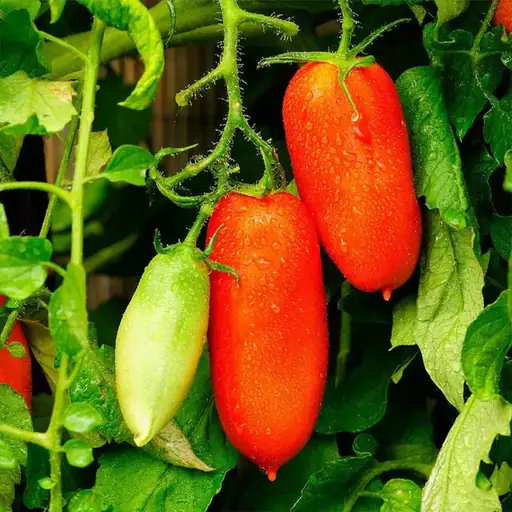
เมล็ดมะเขือเทศออร์แกนิกซานมาร์ซาโนสำหรับปลูกในสวน
ขอใบเสนอราคาที่ปรับแต่งให้เหมาะสมกับความต้องการของคุณ


รหัสสินค้า: 95527
Red Hot Mushroom Pepper: Unique Shape, Serious Heat Red Hot Mushroom peppers are a conversation-starting variety with a distinctive appearance that lives up to their name. These peppers develop a rounded, mushroom-like shape with deep ridges and wrinkles, creating an almost alien appearance that.
ราคา ขนาดบรรจุภัณฑ์ และความพร้อมจำหน่ายจะได้รับการยืนยันในใบเสนอราคาส่วนบุคคลของคุณ การส่งคำสอบถามไม่ได้หมายถึงการสั่งซื้อและชำระเงินเรียบร้อยแล้ว
Red Hot Mushroom peppers are a conversation-starting variety with a distinctive appearance that lives up to their name. These peppers develop a rounded, mushroom-like shape with deep ridges and wrinkles, creating an almost alien appearance that makes them instantly recognizable. Beneath their unusual exterior lies genuine heat and complex flavor that rewards adventurous gardeners.
The mushroom-shaped form of these peppers is their defining characteristic. The rounded, heavily ridged surface gives them a bumpy, textured appearance that's unlike traditional pepper shapes. When fully mature, they transition from green to a deep, rich red that signals peak ripeness and maximum heat.
Red Hot Mushroom peppers deliver serious heat with a fruity undertone and smoky complexity. The flavor is intense and lingering, making them ideal for hot sauce production, dried pepper applications, and cooked dishes where you want substantial spice. Their unique shape also makes them visually striking in the garden and on the plate.
These peppers thrive in warm, sunny locations with well-draining soil and consistent moisture. Start seeds indoors eight to ten weeks before your last spring frost, as they benefit from an extended growing season to develop their full potential. Transplant seedlings outdoors once soil temperatures consistently reach 60°F or higher.
Space plants 18 to 24 inches apart and provide full sun—at least six to eight hours daily. Red Hot Mushroom peppers can grow quite tall and may become heavy with fruit, so staking or support is recommended. Water regularly and allow soil to dry slightly between waterings. Their unique shape means they may take slightly longer to mature than standard pepper varieties, but patience pays off with exceptional flavor and heat.
Allow peppers to fully mature to deep red for maximum heat and flavor complexity. Harvest by twisting or cutting peppers from the plant when fully ripe. Red Hot Mushroom peppers are excellent for drying, as their thick walls and dense flesh preserve well. Hang whole peppers in a warm, dry location or use a food dehydrator set to low heat.
Dried peppers can be rehydrated for sauces, ground into powder for seasoning blends, or used whole in cooking. Their distinctive shape makes them attractive for decorative pepper strings or as unique garnishes.
Red Hot Mushroom peppers are perfect for gardeners who want something truly different—a pepper that stands out visually and delivers serious culinary heat. If you're ready to grow something unusual that sparks conversation and delivers genuine flavor complexity, these remarkable peppers deserve a place in your garden.
The Hot Mushroom Pepper, scientifically known as Capsicum annuum, is a unique variety of chili pepper that is gaining popularity among gardeners and culinary enthusiasts alike. This pepper is characterized by its distinctive mushroom-like shape and vibrant color, which can range from green to red as it ripens. The plant typically reaches a height of 18 to 24 inches and produces fruit that can measure approximately 2 to 3 inches in length.
One of the notable features of the Hot Mushroom Pepper is its heat level, which is measured on the Scoville scale. This pepper generally falls within the range of 1,000 to 5,000 Scoville Heat Units (SHU), making it a moderately spicy option for those who enjoy a bit of heat in their dishes. For comparison, jalapeño peppers typically range from 2,500 to 8,000 SHU, indicating that the Hot Mushroom Pepper can provide a milder kick.
In terms of cultivation, the Hot Mushroom Pepper thrives in warm climates and requires full sun exposure for optimal growth. It is essential to plant these peppers in well-draining soil enriched with organic matter to ensure healthy development. The ideal soil pH for growing Hot Mushroom Peppers is between 6.0 and 6.8. Regular watering is crucial, especially during dry spells, as the plant prefers consistent moisture without becoming waterlogged.
Harvesting the Hot Mushroom Pepper typically occurs around 70 to 80 days after planting, once the fruit has reached its full size and color. It is advisable to use pruning shears or scissors to cut the peppers from the plant to avoid damaging the stems. The harvested peppers can be used fresh in salads, salsas, or cooked dishes, and they can also be dried or pickled for preservation.
In addition to their culinary uses, Hot Mushroom Peppers are also known for their health benefits. They are rich in vitamins A and C, as well as antioxidants, which can contribute to overall health and well-being. The capsaicin found in peppers has been studied for its potential anti-inflammatory properties and its ability to boost metabolism.
In summary, the Hot Mushroom Pepper plant is an excellent addition to any garden, offering both aesthetic appeal and culinary versatility. With proper care and attention, gardeners can enjoy a bountiful harvest of these unique peppers, enhancing their meals while reaping the health benefits associated with their consumption.
SEED PLANTING TIPS
Good companion plants: Basil, Carrot, Cucumber, Eggplant, Okra, Rosemary, Sage, Squash, Tomato
| All Peppers ⟐ Hot Peppers | 📚 Hot Peppers Grow Guide |
เลือกแล้วขอใบเสนอราคาที่ปรับแต่งให้เหมาะสมกับความต้องการของคุณ
 เลือกแล้ว
ขอใบเสนอราคาที่ปรับแต่งให้เหมาะสมกับความต้องการของคุณ
 เลือกแล้ว
ขอใบเสนอราคาที่ปรับแต่งให้เหมาะสมกับความต้องการของคุณ
 เลือกแล้ว
ขอใบเสนอราคาที่ปรับแต่งให้เหมาะสมกับความต้องการของคุณ
คำถามและการอภิปราย