āđ€āļĄāļĨāđ‡āļ”āļžāļąāļ™āļ˜āļļāđŒāđ€āļĨāđ‡āļāđ† āđ€āļĄāļĨāđ‡āļ”āļžāļąāļ™āļ˜āļļāđŒāđāļŦāđˆāļ‡āļ„āļ§āļēāļĄāđ€āļ›āđ‡āļ™āđ„āļ›āđ„āļ”āđ‰āļĄāļēāļāļĄāļēāļĒāļŠāļ­āļšāļ–āļēāļĄāļ‚āđ‰āļ­āļĄāļđāļĨāļāļēāļĢāļ‚āļēāļĒāļŠāđˆāļ‡
āļŦāļ™āđ‰āļēāļ™āļĩāđ‰āđāļŠāļ”āļ‡āļœāļĨāđƒāļ™āļ āļēāļĐāļēāļ•āđ‰āļ™āļ‰āļšāļąāļš āļĒāļąāļ‡āđ„āļĄāđˆāļĄāļĩāļšāļĢāļīāļāļēāļĢāđāļ›āļĨāļ āļēāļĐāļēāđƒāļ™āļ‚āļ“āļ°āļ™āļĩāđ‰
āļāļēāļĢāļ„āļąāļ”āđ€āļĨāļ·āļ­āļāđ‚āļ”āļĒ Seedsun

Pepper (Hot) - Bird's Eye ðŸ”ĨðŸ”ĨðŸ”Ĩ seeds

āļĢāļŦāļąāļŠāļŠāļīāļ™āļ„āđ‰āļē: G2028

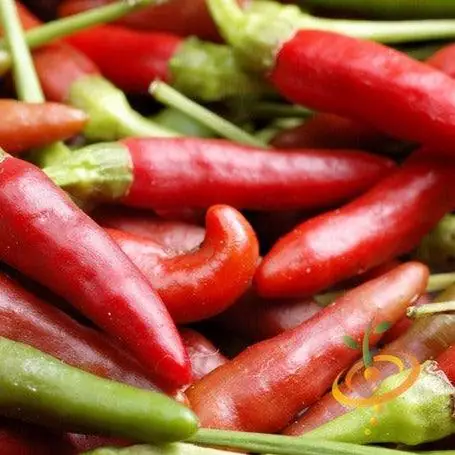
The first thing you should know about the Bird’s Eye Chili Pepper is that it is ... HOT! That’s also the third and fifth things you should know. Small 1"-2", tapered fruit grows on a compact bush and ripens through all the showy colors of a painted bunting, green to purple to orange to red. Pungent.

āļ‚āļ­āđƒāļšāđ€āļŠāļ™āļ­āļĢāļēāļ„āļēāļ—āļĩāđˆāļ›āļĢāļąāļšāđāļ•āđˆāļ‡āđƒāļŦāđ‰āđ€āļŦāļĄāļēāļ°āļŠāļĄāļāļąāļšāļ„āļ§āļēāļĄāļ•āđ‰āļ­āļ‡āļāļēāļĢāļ‚āļ­āļ‡āļ„āļļāļ“

āļĢāļēāļ„āļē āļ‚āļ™āļēāļ”āļšāļĢāļĢāļˆāļļāļ āļąāļ“āļ‘āđŒ āđāļĨāļ°āļ„āļ§āļēāļĄāļžāļĢāđ‰āļ­āļĄāļˆāļģāļŦāļ™āđˆāļēāļĒāļˆāļ°āđ„āļ”āđ‰āļĢāļąāļšāļāļēāļĢāļĒāļ·āļ™āļĒāļąāļ™āđƒāļ™āđƒāļšāđ€āļŠāļ™āļ­āļĢāļēāļ„āļēāļŠāđˆāļ§āļ™āļšāļļāļ„āļ„āļĨāļ‚āļ­āļ‡āļ„āļļāļ“ āļāļēāļĢāļŠāđˆāļ‡āļ„āļģāļŠāļ­āļšāļ–āļēāļĄāđ„āļĄāđˆāđ„āļ”āđ‰āļŦāļĄāļēāļĒāļ–āļķāļ‡āļāļēāļĢāļŠāļąāđˆāļ‡āļ‹āļ·āđ‰āļ­āđāļĨāļ°āļŠāļģāļĢāļ°āđ€āļ‡āļīāļ™āđ€āļĢāļĩāļĒāļšāļĢāđ‰āļ­āļĒāđāļĨāđ‰āļ§

āļŠāļ­āļšāļ–āļēāļĄāđ€āļāļĩāđˆāļĒāļ§āļāļąāļšāļ„āļ§āļēāļĄāđ€āļŦāļĄāļēāļ°āļŠāļĄ āļ§āļīāļ˜āļĩāļāļēāļĢāļ›āļĨāļđāļ āđāļĨāļ°āļ‚āđ‰āļ­āļāļģāļŦāļ™āļ”āđƒāļ™āļāļēāļĢāđ€āļˆāļĢāļīāļāđ€āļ•āļīāļšāđ‚āļ•
āļ•āļĢāļ§āļˆāļŠāļ­āļšāļ•āļąāļ§āđ€āļĨāļ·āļ­āļāļāļēāļĢāļˆāļąāļ”āļŠāđˆāļ‡āđāļĨāļ°āđ€āļ­āļāļŠāļēāļĢāļ—āļĩāđˆāļˆāļģāđ€āļ›āđ‡āļ™āđƒāļ™āđƒāļšāđ€āļŠāļ™āļ­āļĢāļēāļ„āļēāļ‚āļ­āļ‡āļ„āļļāļ“

āđ€āļāļĩāđˆāļĒāļ§āļāļąāļšāļžāļąāļ™āļ˜āļļāđŒāļ™āļĩāđ‰

The first thing you should know about the Bird’s Eye Chili Pepper is that it is ... HOT! That’s also the third and fifth things you should know. Small 1"-2", tapered fruit grows on a compact bush and ripens through all the showy colors of a painted bunting, green to purple to orange to red. Pungent with fruity, tropical notes and a serious blast of heat. Use this little Thai chili to add fiery flair to everything from Asian stir fries to Indian curries to South African peri-peri sauce.

The Hot Bird's Eye Pepper seeds are the seeds for cultivating the highly spicy and fruity Bird's Eye chili variety. This Thai chili pepper is renowned for its intense heat, with Scoville heat units ranging from 50,000 to 100,000, making it significantly hotter than jalapeÃąos. The plant produces small, 1"-2" tapered peppers that display a vibrant color progression from green to purple, orange, and red as they ripen. The compact bush habit makes it suitable for small gardens and container planting, with no plant support needed. These perennial plants can often be grown year-round in regions where the soil doesn't freeze hard, offering an extended harvest window. The peppers are ideal for adding fiery flavor to dishes such as stir-fries, curries, and hot sauces, including commercial brands like Cholula that incorporate bird peppers.

Materials

The seeds produce plants with healthy, vigorous foliage and fruiting peppers. The seeds are non-GMO and suitable for organic cultivation. The peppers are naturally tropical, with a pungent aroma and a fruity, tropical flavor profile. The plant's leaves and stems are green and herbaceous, typical of Capsicum annuum. The fruit skin is thin, and the peppers are ripened by color change rather than size, providing visual cues for harvest readiness.

Dimensions

  • Seed depth to plant: 0.25 inches
  • Spacing between plants: approximately 12-18 inches
  • Spacing between rows: approximately 18-24 inches
  • Plant height: up to 24 inches tall
  • Plant width: roughly 12 inches
  • Days to germinate: 7-21 days at soil temperatures of 75°F-85°F
  • Days to maturity: 100+ days from planting

Features

  • Highly hot: Scoville units between 50,000 and 100,000
  • Colorfully ripening: green, purple, orange, red
  • Small, tapered peppers: 1" to 2" in length
  • Suitable for container gardening and small spaces
  • Perennial in frost-free climates
  • Can be grown year-round in appropriate regions
  • Easy to grow from seed with germination in 7-21 days
  • Requires full sun and soil pH of 6.0-7.0

Use Cases

The Hot Bird's Eye Pepper seeds are ideal for gardeners with limited space seeking a spicy, tropical ingredient for culinary use. They are perfect for small backyard gardens, containers on patios or balconies, and indoor gardening in warmer climates. The peppers are suited for making hot sauces, adding heat and flavor to Asian, Indian, and African dishes, or experimenting with spicy recipes. This variety is also well-suited for growers interested in cultivating butterfly and pollinator-friendly plants due to its attractiveness and companion planting benefits. The seeds are economically priced, making them an accessible option for budget-conscious gardeners who want to add authentic, fiery Thai peppers to their collection.

Included

The package ships with high-quality Bird's Eye Pepper seeds suitable for planting. Not included are planting containers, soil, or fertilization supplies, which are recommended for optimal growth. The seeds are packaged to ensure viability and easy sowing.

Care

Seeds should be planted in well-draining soil with a pH of 6.0-7.0, at a depth of 0.25 inches. Germinate in soil temperatures of 75°F-85°F, maintaining consistent moisture. Full sun is required for healthy growth. Fertilize with a balanced, organic fertilizer during the growing season. The plant requires minimal support but should be protected from frost and freezing temperatures. A typical harvest period occurs after 100+ days. Proper watering, sunlight, and temperature control are essential for thriving plants. There is no specific warranty for individual seed germination, but seeds are stored to ensure high viability upon arrival.

āļ„āļģāļ–āļēāļĄāđāļĨāļ°āļāļēāļĢāļ­āļ āļīāļ›āļĢāļēāļĒ

āļšāļ—āļ„āļ§āļēāļĄāļ—āļĩāđˆāļŠāđˆāļ‡āđ€āļ‚āđ‰āļēāļĄāļēāļˆāļ°āđ„āļ”āđ‰āļĢāļąāļšāļāļēāļĢāļ•āļĢāļ§āļˆāļŠāļ­āļšāļāđˆāļ­āļ™āđ€āļœāļĒāđāļžāļĢāđˆ āļāļĢāļļāļ“āļēāđ€āļ‚āđ‰āļēāļŠāļđāđˆāļĢāļ°āļšāļšāđ€āļžāļ·āđˆāļ­āđ‚āļžāļŠāļ•āđŒāļāļĢāļ°āļ—āļđāđ‰āđƒāļŦāļĄāđˆ

āļĒāļąāļ‡āļĄāļĩāļŠāļīāđˆāļ‡āđƒāļŦāđ‰āļ„āđ‰āļ™āļžāļšāļ­āļĩāļāļĄāļēāļāļĄāļēāļĒ

āđ€āļĄāļĨāđ‡āļ”āļĄāļ°āđ€āļ‚āļ·āļ­āđ€āļ—āļĻāļ­āļ­āļĢāđŒāđāļāļ™āļīāļāļ‹āļēāļ™āļĄāļēāļĢāđŒāļ‹āļēāđ‚āļ™āļŠāļģāļŦāļĢāļąāļšāļ›āļĨāļđāļāđƒāļ™āļŠāļ§āļ™āđ€āļĨāļ·āļ­āļāđāļĨāđ‰āļ§
āļāļēāļĢāļ„āļąāļ”āđ€āļĨāļ·āļ­āļāđ‚āļ”āļĒ Seedsun

āđ€āļĄāļĨāđ‡āļ”āļĄāļ°āđ€āļ‚āļ·āļ­āđ€āļ—āļĻāļ­āļ­āļĢāđŒāđāļāļ™āļīāļāļ‹āļēāļ™āļĄāļēāļĢāđŒāļ‹āļēāđ‚āļ™āļŠāļģāļŦāļĢāļąāļšāļ›āļĨāļđāļāđƒāļ™āļŠāļ§āļ™

āļ‚āļ­āđƒāļšāđ€āļŠāļ™āļ­āļĢāļēāļ„āļēāļ—āļĩāđˆāļ›āļĢāļąāļšāđāļ•āđˆāļ‡āđƒāļŦāđ‰āđ€āļŦāļĄāļēāļ°āļŠāļĄāļāļąāļšāļ„āļ§āļēāļĄāļ•āđ‰āļ­āļ‡āļāļēāļĢāļ‚āļ­āļ‡āļ„āļļāļ“

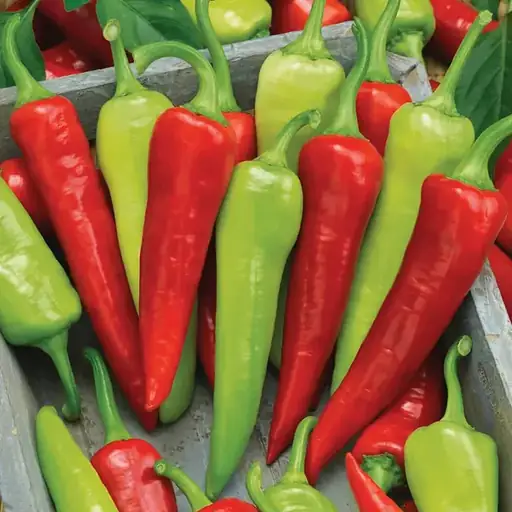
āđ€āļĄāļĨāđ‡āļ”āļžāļĢāļīāļāļŦāļ§āļēāļ™āļŠāļģāļŦāļĢāļąāļšāļ›āļĨāļđāļāđƒāļ™āļŠāļ§āļ™āđ€āļĨāļ·āļ­āļāđāļĨāđ‰āļ§
āļāļēāļĢāļ„āļąāļ”āđ€āļĨāļ·āļ­āļāđ‚āļ”āļĒ Seedsun

āđ€āļĄāļĨāđ‡āļ”āļžāļĢāļīāļāļŦāļ§āļēāļ™āļŠāļģāļŦāļĢāļąāļšāļ›āļĨāļđāļāđƒāļ™āļŠāļ§āļ™

āļ‚āļ­āđƒāļšāđ€āļŠāļ™āļ­āļĢāļēāļ„āļēāļ—āļĩāđˆāļ›āļĢāļąāļšāđāļ•āđˆāļ‡āđƒāļŦāđ‰āđ€āļŦāļĄāļēāļ°āļŠāļĄāļāļąāļšāļ„āļ§āļēāļĄāļ•āđ‰āļ­āļ‡āļāļēāļĢāļ‚āļ­āļ‡āļ„āļļāļ“

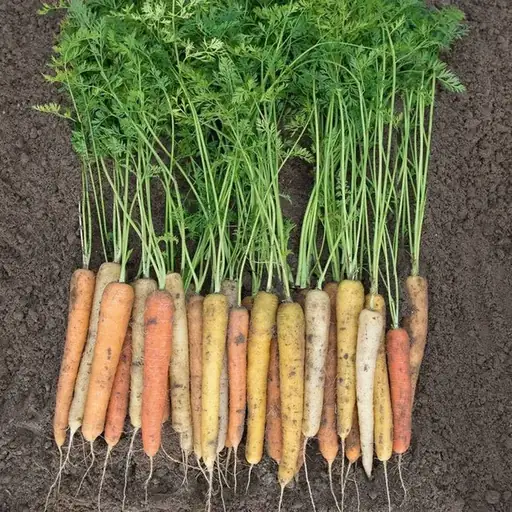
āđ€āļĄāļĨāđ‡āļ”āđāļ„āļĢāļ­āļ—āđ„āļŪāļšāļĢāļīāļ”āļŠāļĩāļĢāļļāđ‰āļ‡ āļŠāļģāļŦāļĢāļąāļšāļ›āļĨāļđāļāđƒāļ™āļŠāļ§āļ™āđ€āļĨāļ·āļ­āļāđāļĨāđ‰āļ§
āļāļēāļĢāļ„āļąāļ”āđ€āļĨāļ·āļ­āļāđ‚āļ”āļĒ Seedsun

āđ€āļĄāļĨāđ‡āļ”āđāļ„āļĢāļ­āļ—āđ„āļŪāļšāļĢāļīāļ”āļŠāļĩāļĢāļļāđ‰āļ‡ āļŠāļģāļŦāļĢāļąāļšāļ›āļĨāļđāļāđƒāļ™āļŠāļ§āļ™

āļ‚āļ­āđƒāļšāđ€āļŠāļ™āļ­āļĢāļēāļ„āļēāļ—āļĩāđˆāļ›āļĢāļąāļšāđāļ•āđˆāļ‡āđƒāļŦāđ‰āđ€āļŦāļĄāļēāļ°āļŠāļĄāļāļąāļšāļ„āļ§āļēāļĄāļ•āđ‰āļ­āļ‡āļāļēāļĢāļ‚āļ­āļ‡āļ„āļļāļ“

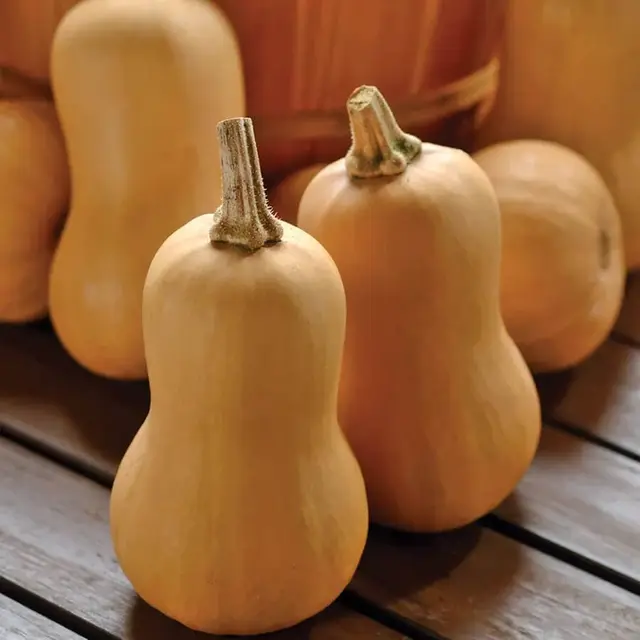
āđ€āļĄāļĨāđ‡āļ”āļžāļąāļ™āļ˜āļļāđŒāļŸāļąāļāļ—āļ­āļ‡āļ­āļ­āļĢāđŒāđāļāļ™āļīāļ Butterbaby āļŠāļģāļŦāļĢāļąāļšāļ›āļĨāļđāļāđƒāļ™āļŠāļ§āļ™āđ€āļĨāļ·āļ­āļāđāļĨāđ‰āļ§
āļāļēāļĢāļ„āļąāļ”āđ€āļĨāļ·āļ­āļāđ‚āļ”āļĒ Seedsun

āđ€āļĄāļĨāđ‡āļ”āļžāļąāļ™āļ˜āļļāđŒāļŸāļąāļāļ—āļ­āļ‡āļ­āļ­āļĢāđŒāđāļāļ™āļīāļ Butterbaby āļŠāļģāļŦāļĢāļąāļšāļ›āļĨāļđāļāđƒāļ™āļŠāļ§āļ™

āļ‚āļ­āđƒāļšāđ€āļŠāļ™āļ­āļĢāļēāļ„āļēāļ—āļĩāđˆāļ›āļĢāļąāļšāđāļ•āđˆāļ‡āđƒāļŦāđ‰āđ€āļŦāļĄāļēāļ°āļŠāļĄāļāļąāļšāļ„āļ§āļēāļĄāļ•āđ‰āļ­āļ‡āļāļēāļĢāļ‚āļ­āļ‡āļ„āļļāļ“

āļ•āļ°āļāļĢāđ‰āļēāđƒāļšāđ€āļŠāļ™āļ­āļĢāļēāļ„āļē 0

āļĢāļēāļ„āļē āļ‚āļ™āļēāļ”āļšāļĢāļĢāļˆāļļāļ āļąāļ“āļ‘āđŒ āđāļĨāļ°āļ„āļ§āļēāļĄāļžāļĢāđ‰āļ­āļĄāļˆāļģāļŦāļ™āđˆāļēāļĒāļˆāļ°āđ„āļ”āđ‰āļĢāļąāļšāļāļēāļĢāļĒāļ·āļ™āļĒāļąāļ™āđƒāļ™āđƒāļšāđ€āļŠāļ™āļ­āļĢāļēāļ„āļēāļŠāđˆāļ§āļ™āļšāļļāļ„āļ„āļĨāļ‚āļ­āļ‡āļ„āļļāļ“ āļāļēāļĢāļŠāđˆāļ‡āļ„āļģāļŠāļ­āļšāļ–āļēāļĄāđ„āļĄāđˆāđ„āļ”āđ‰āļŦāļĄāļēāļĒāļ–āļķāļ‡āļāļēāļĢāļŠāļąāđˆāļ‡āļ‹āļ·āđ‰āļ­āđāļĨāļ°āļŠāļģāļĢāļ°āđ€āļ‡āļīāļ™āđ€āļĢāļĩāļĒāļšāļĢāđ‰āļ­āļĒāđāļĨāđ‰āļ§

Seedsun

āļĄāļēāļžāļđāļ”āļ–āļķāļ‡āđ€āļĄāļĨāđ‡āļ”āļžāļąāļ™āļ˜āļļāđŒāļāļąāļ™āđ€āļ–āļ­āļ°

āđ‚āļ›āļĢāļ”āđāļˆāđ‰āļ‡āļ„āļ§āļēāļĄāļ•āđ‰āļ­āļ‡āļāļēāļĢāļ‚āļ­āļ‡āļ„āļļāļ“ āļĢāļ§āļĄāļ–āļķāļ‡āļŠāļ™āļīāļ” āļ›āļĢāļīāļĄāļēāļ“ āđāļĨāļ°āļ›āļĨāļēāļĒāļ—āļēāļ‡ āđ€āļžāļ·āđˆāļ­āļ—āļĩāđˆāđ€āļĢāļēāļˆāļ°āđ„āļ”āđ‰āđ€āļ•āļĢāļĩāļĒāļĄāļ„āļģāļ•āļ­āļšāļ—āļĩāđˆāđ€āļŦāļĄāļēāļ°āļŠāļĄāđƒāļŦāđ‰

āđ€āļĢāļēāđƒāļŠāđ‰āļ‚āđ‰āļ­āļĄāļđāļĨāļ‚āļ­āļ‡āļ„āļļāļ“āđ€āļžāļ·āđˆāļ­āļ•āļ­āļšāļ‚āđ‰āļ­āļ‹āļąāļāļ–āļēāļĄāļ™āļĩāđ‰ āđ‚āļ›āļĢāļ”āļ­āđˆāļēāļ™āļ™āđ‚āļĒāļšāļēāļĒāļ„āļ§āļēāļĄāđ€āļ›āđ‡āļ™āļŠāđˆāļ§āļ™āļ•āļąāļ§āļ‚āļ­āļ‡āđ€āļĢāļē āļ™āđ‚āļĒāļšāļēāļĒāļ„āļ§āļēāļĄāđ€āļ›āđ‡āļ™āļŠāđˆāļ§āļ™āļ•āļąāļ§