āđ€āļĄāļĨāđ‡āļ”āļžāļąāļ™āļ˜āļļāđŒāđ€āļĨāđ‡āļāđ† āđ€āļĄāļĨāđ‡āļ”āļžāļąāļ™āļ˜āļļāđŒāđāļŦāđˆāļ‡āļ„āļ§āļēāļĄāđ€āļ›āđ‡āļ™āđ„āļ›āđ„āļ”āđ‰āļĄāļēāļāļĄāļēāļĒāļŠāļ­āļšāļ–āļēāļĄāļ‚āđ‰āļ­āļĄāļđāļĨāļāļēāļĢāļ‚āļēāļĒāļŠāđˆāļ‡
āļŦāļ™āđ‰āļēāļ™āļĩāđ‰āđāļŠāļ”āļ‡āļœāļĨāđƒāļ™āļ āļēāļĐāļēāļ•āđ‰āļ™āļ‰āļšāļąāļš āļĒāļąāļ‡āđ„āļĄāđˆāļĄāļĩāļšāļĢāļīāļāļēāļĢāđāļ›āļĨāļ āļēāļĐāļēāđƒāļ™āļ‚āļ“āļ°āļ™āļĩāđ‰
āļāļēāļĢāļ„āļąāļ”āđ€āļĨāļ·āļ­āļāđ‚āļ”āļĒ Seedsun

Pepper (Hot) - Holiday Marbles ðŸ”Ĩ seeds

āļĢāļŦāļąāļŠāļŠāļīāļ™āļ„āđ‰āļē: YO464

Holiday Marbles Hot Pepper: Festive Heat and Beauty Holiday Marbles hot peppers are a delightful ornamental variety that brings festive cheer to any garden. These compact plants produce abundant small, round peppers that ripen through a stunning progression of colors—from green to yellow, orange,.

āļ‚āļ­āđƒāļšāđ€āļŠāļ™āļ­āļĢāļēāļ„āļēāļ—āļĩāđˆāļ›āļĢāļąāļšāđāļ•āđˆāļ‡āđƒāļŦāđ‰āđ€āļŦāļĄāļēāļ°āļŠāļĄāļāļąāļšāļ„āļ§āļēāļĄāļ•āđ‰āļ­āļ‡āļāļēāļĢāļ‚āļ­āļ‡āļ„āļļāļ“

āļĢāļēāļ„āļē āļ‚āļ™āļēāļ”āļšāļĢāļĢāļˆāļļāļ āļąāļ“āļ‘āđŒ āđāļĨāļ°āļ„āļ§āļēāļĄāļžāļĢāđ‰āļ­āļĄāļˆāļģāļŦāļ™āđˆāļēāļĒāļˆāļ°āđ„āļ”āđ‰āļĢāļąāļšāļāļēāļĢāļĒāļ·āļ™āļĒāļąāļ™āđƒāļ™āđƒāļšāđ€āļŠāļ™āļ­āļĢāļēāļ„āļēāļŠāđˆāļ§āļ™āļšāļļāļ„āļ„āļĨāļ‚āļ­āļ‡āļ„āļļāļ“ āļāļēāļĢāļŠāđˆāļ‡āļ„āļģāļŠāļ­āļšāļ–āļēāļĄāđ„āļĄāđˆāđ„āļ”āđ‰āļŦāļĄāļēāļĒāļ–āļķāļ‡āļāļēāļĢāļŠāļąāđˆāļ‡āļ‹āļ·āđ‰āļ­āđāļĨāļ°āļŠāļģāļĢāļ°āđ€āļ‡āļīāļ™āđ€āļĢāļĩāļĒāļšāļĢāđ‰āļ­āļĒāđāļĨāđ‰āļ§

āļŠāļ­āļšāļ–āļēāļĄāđ€āļāļĩāđˆāļĒāļ§āļāļąāļšāļ„āļ§āļēāļĄāđ€āļŦāļĄāļēāļ°āļŠāļĄ āļ§āļīāļ˜āļĩāļāļēāļĢāļ›āļĨāļđāļ āđāļĨāļ°āļ‚āđ‰āļ­āļāļģāļŦāļ™āļ”āđƒāļ™āļāļēāļĢāđ€āļˆāļĢāļīāļāđ€āļ•āļīāļšāđ‚āļ•
āļ•āļĢāļ§āļˆāļŠāļ­āļšāļ•āļąāļ§āđ€āļĨāļ·āļ­āļāļāļēāļĢāļˆāļąāļ”āļŠāđˆāļ‡āđāļĨāļ°āđ€āļ­āļāļŠāļēāļĢāļ—āļĩāđˆāļˆāļģāđ€āļ›āđ‡āļ™āđƒāļ™āđƒāļšāđ€āļŠāļ™āļ­āļĢāļēāļ„āļēāļ‚āļ­āļ‡āļ„āļļāļ“

āđ€āļāļĩāđˆāļĒāļ§āļāļąāļšāļžāļąāļ™āļ˜āļļāđŒāļ™āļĩāđ‰

Holiday Marbles Hot Pepper: Festive Heat and Beauty

Holiday Marbles hot peppers are a delightful ornamental variety that brings festive cheer to any garden. These compact plants produce abundant small, round peppers that ripen through a stunning progression of colors—from green to yellow, orange, and finally bright red. They're as much a visual celebration as they are a culinary ingredient. Scoville heat units (SHU): 300-500/mild

A Burst of Color and Flavor

What makes Holiday Marbles truly special is their marble-like appearance and vibrant color display. The small, round peppers cluster densely on compact plants, creating a spectacular show of color throughout the growing season. Multiple colors appear simultaneously on the same plant, making them perfect for gardeners who want visual impact alongside edible heat.

The heat level is moderate, making these peppers accessible to those who enjoy spice without extreme intensity. The flavor is bright and fruity with a pleasant bite. Holiday Marbles work beautifully in fresh salsas, hot sauces, and pickled preparations where their small size and attractive appearance shine.

Growing Holiday Marbles Peppers

These peppers thrive in warm, sunny locations with well-draining soil. Start seeds indoors eight to ten weeks before your last frost date. Transplant seedlings outdoors once soil temperatures consistently reach 60°F or higher, spacing plants about 12 to 18 inches apart.

Holiday Marbles are naturally compact and work beautifully in containers, raised beds, or garden borders. Provide full sun—at least six to eight hours daily—and water regularly while allowing soil to dry slightly between waterings. Their compact size means they rarely need staking, making them low-maintenance and perfect for gardeners with limited space or those growing in containers on patios or decks.

Harvesting and Using Your Peppers

You can harvest Holiday Marbles peppers at any color stage, though waiting for them to turn red delivers maximum heat and sweetness. Pick peppers regularly to encourage continued production throughout the season. The small size makes them perfect for whole pepper applications—pickle them whole, roast them intact, or use them as garnishes for soups and salads.

Their attractive appearance makes them ideal for fresh salsas where visual presentation matters. Dry them whole for decorative pepper strings, or ferment them with salt and garlic for homemade hot sauce.

Garden Joy Year-Round

Holiday Marbles peppers deliver ornamental beauty and genuine culinary heat in one compact package. Whether you're growing them for their stunning appearance, their flavorful fruit, or simply to add festive cheer to your garden space, these delightful peppers are sure to become a seasonal favorite.

In Summary

The Holiday Marbles Pepper is an assortment of tiny peppers with a tiny spark of heat. Compact plants cast out lots of green peppers that ripen through cream, yellow, purple, orange, and red. Shoot fresh ones onto a salad, or play for keeps and dry them whole to use like peppercorns.

  • High yields
  • Edible ornamental
  • Harvest any color
  • Good for containers

SEED PLANTING TIPS

  • Botanical name: Capsicum annuum
  • Pepper size: 1/4"-1/2"
  • Scoville heat units (SHU): 300-500/mild
  • Plant support: Tomato cage or stake
  • Depth to plant seeds: 1/8" deep
  • Spacing between plants: 12"-18" apart
  • Spacing between rows: 24"-36" apart
  • Days to germinate (sprout): 7-21 days
  • Germination soil temps: 75F-85F
  • Soil needs: 6.0-7.0 pH
  • Sun needs: Full sun
  • Frost hardy: No
  • Planting season: Spring, summer
  • # of plants per sq. ft.: Appx. 1 plant per sq. ft.
  • Days to maturity: 90+ days

Good companion plants: Basil, Carrot, Cucumber, Eggplant, Okra, Rosemary, Sage, Squash, Tomato

All Peppers ⟐ Hot Peppers  📚 Hot Peppers Grow Guide

āļ„āļģāļ–āļēāļĄāđāļĨāļ°āļāļēāļĢāļ­āļ āļīāļ›āļĢāļēāļĒ

āļšāļ—āļ„āļ§āļēāļĄāļ—āļĩāđˆāļŠāđˆāļ‡āđ€āļ‚āđ‰āļēāļĄāļēāļˆāļ°āđ„āļ”āđ‰āļĢāļąāļšāļāļēāļĢāļ•āļĢāļ§āļˆāļŠāļ­āļšāļāđˆāļ­āļ™āđ€āļœāļĒāđāļžāļĢāđˆ āļāļĢāļļāļ“āļēāđ€āļ‚āđ‰āļēāļŠāļđāđˆāļĢāļ°āļšāļšāđ€āļžāļ·āđˆāļ­āđ‚āļžāļŠāļ•āđŒāļāļĢāļ°āļ—āļđāđ‰āđƒāļŦāļĄāđˆ

āļĒāļąāļ‡āļĄāļĩāļŠāļīāđˆāļ‡āđƒāļŦāđ‰āļ„āđ‰āļ™āļžāļšāļ­āļĩāļāļĄāļēāļāļĄāļēāļĒ

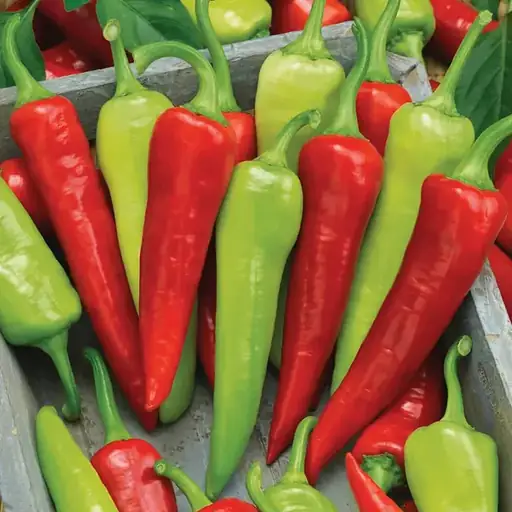
āđ€āļĄāļĨāđ‡āļ”āļĄāļ°āđ€āļ‚āļ·āļ­āđ€āļ—āļĻāļ­āļ­āļĢāđŒāđāļāļ™āļīāļāļ‹āļēāļ™āļĄāļēāļĢāđŒāļ‹āļēāđ‚āļ™āļŠāļģāļŦāļĢāļąāļšāļ›āļĨāļđāļāđƒāļ™āļŠāļ§āļ™āđ€āļĨāļ·āļ­āļāđāļĨāđ‰āļ§
āļāļēāļĢāļ„āļąāļ”āđ€āļĨāļ·āļ­āļāđ‚āļ”āļĒ Seedsun

āđ€āļĄāļĨāđ‡āļ”āļĄāļ°āđ€āļ‚āļ·āļ­āđ€āļ—āļĻāļ­āļ­āļĢāđŒāđāļāļ™āļīāļāļ‹āļēāļ™āļĄāļēāļĢāđŒāļ‹āļēāđ‚āļ™āļŠāļģāļŦāļĢāļąāļšāļ›āļĨāļđāļāđƒāļ™āļŠāļ§āļ™

āļ‚āļ­āđƒāļšāđ€āļŠāļ™āļ­āļĢāļēāļ„āļēāļ—āļĩāđˆāļ›āļĢāļąāļšāđāļ•āđˆāļ‡āđƒāļŦāđ‰āđ€āļŦāļĄāļēāļ°āļŠāļĄāļāļąāļšāļ„āļ§āļēāļĄāļ•āđ‰āļ­āļ‡āļāļēāļĢāļ‚āļ­āļ‡āļ„āļļāļ“

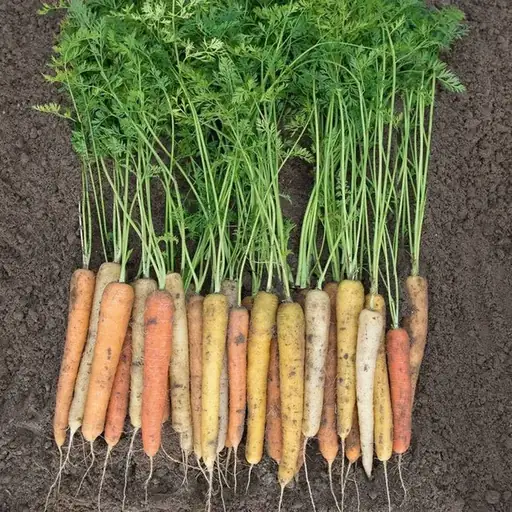
āđ€āļĄāļĨāđ‡āļ”āļžāļĢāļīāļāļŦāļ§āļēāļ™āļŠāļģāļŦāļĢāļąāļšāļ›āļĨāļđāļāđƒāļ™āļŠāļ§āļ™āđ€āļĨāļ·āļ­āļāđāļĨāđ‰āļ§
āļāļēāļĢāļ„āļąāļ”āđ€āļĨāļ·āļ­āļāđ‚āļ”āļĒ Seedsun

āđ€āļĄāļĨāđ‡āļ”āļžāļĢāļīāļāļŦāļ§āļēāļ™āļŠāļģāļŦāļĢāļąāļšāļ›āļĨāļđāļāđƒāļ™āļŠāļ§āļ™

āļ‚āļ­āđƒāļšāđ€āļŠāļ™āļ­āļĢāļēāļ„āļēāļ—āļĩāđˆāļ›āļĢāļąāļšāđāļ•āđˆāļ‡āđƒāļŦāđ‰āđ€āļŦāļĄāļēāļ°āļŠāļĄāļāļąāļšāļ„āļ§āļēāļĄāļ•āđ‰āļ­āļ‡āļāļēāļĢāļ‚āļ­āļ‡āļ„āļļāļ“

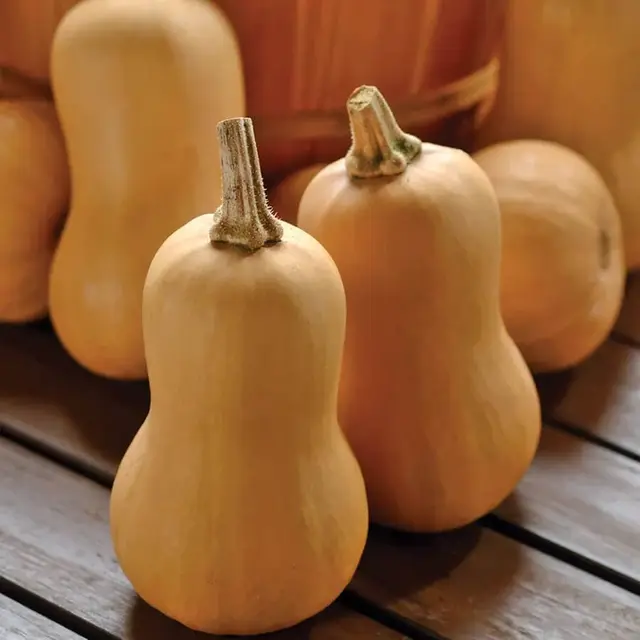
āđ€āļĄāļĨāđ‡āļ”āđāļ„āļĢāļ­āļ—āđ„āļŪāļšāļĢāļīāļ”āļŠāļĩāļĢāļļāđ‰āļ‡ āļŠāļģāļŦāļĢāļąāļšāļ›āļĨāļđāļāđƒāļ™āļŠāļ§āļ™āđ€āļĨāļ·āļ­āļāđāļĨāđ‰āļ§
āļāļēāļĢāļ„āļąāļ”āđ€āļĨāļ·āļ­āļāđ‚āļ”āļĒ Seedsun

āđ€āļĄāļĨāđ‡āļ”āđāļ„āļĢāļ­āļ—āđ„āļŪāļšāļĢāļīāļ”āļŠāļĩāļĢāļļāđ‰āļ‡ āļŠāļģāļŦāļĢāļąāļšāļ›āļĨāļđāļāđƒāļ™āļŠāļ§āļ™

āļ‚āļ­āđƒāļšāđ€āļŠāļ™āļ­āļĢāļēāļ„āļēāļ—āļĩāđˆāļ›āļĢāļąāļšāđāļ•āđˆāļ‡āđƒāļŦāđ‰āđ€āļŦāļĄāļēāļ°āļŠāļĄāļāļąāļšāļ„āļ§āļēāļĄāļ•āđ‰āļ­āļ‡āļāļēāļĢāļ‚āļ­āļ‡āļ„āļļāļ“

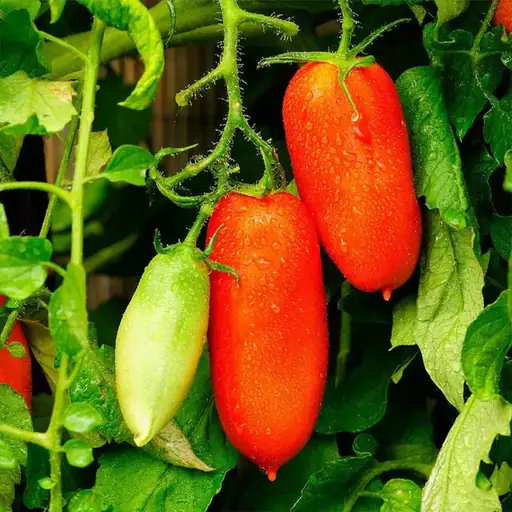
āđ€āļĄāļĨāđ‡āļ”āļžāļąāļ™āļ˜āļļāđŒāļŸāļąāļāļ—āļ­āļ‡āļ­āļ­āļĢāđŒāđāļāļ™āļīāļ Butterbaby āļŠāļģāļŦāļĢāļąāļšāļ›āļĨāļđāļāđƒāļ™āļŠāļ§āļ™āđ€āļĨāļ·āļ­āļāđāļĨāđ‰āļ§
āļāļēāļĢāļ„āļąāļ”āđ€āļĨāļ·āļ­āļāđ‚āļ”āļĒ Seedsun

āđ€āļĄāļĨāđ‡āļ”āļžāļąāļ™āļ˜āļļāđŒāļŸāļąāļāļ—āļ­āļ‡āļ­āļ­āļĢāđŒāđāļāļ™āļīāļ Butterbaby āļŠāļģāļŦāļĢāļąāļšāļ›āļĨāļđāļāđƒāļ™āļŠāļ§āļ™

āļ‚āļ­āđƒāļšāđ€āļŠāļ™āļ­āļĢāļēāļ„āļēāļ—āļĩāđˆāļ›āļĢāļąāļšāđāļ•āđˆāļ‡āđƒāļŦāđ‰āđ€āļŦāļĄāļēāļ°āļŠāļĄāļāļąāļšāļ„āļ§āļēāļĄāļ•āđ‰āļ­āļ‡āļāļēāļĢāļ‚āļ­āļ‡āļ„āļļāļ“

āļ•āļ°āļāļĢāđ‰āļēāđƒāļšāđ€āļŠāļ™āļ­āļĢāļēāļ„āļē 0

āļĢāļēāļ„āļē āļ‚āļ™āļēāļ”āļšāļĢāļĢāļˆāļļāļ āļąāļ“āļ‘āđŒ āđāļĨāļ°āļ„āļ§āļēāļĄāļžāļĢāđ‰āļ­āļĄāļˆāļģāļŦāļ™āđˆāļēāļĒāļˆāļ°āđ„āļ”āđ‰āļĢāļąāļšāļāļēāļĢāļĒāļ·āļ™āļĒāļąāļ™āđƒāļ™āđƒāļšāđ€āļŠāļ™āļ­āļĢāļēāļ„āļēāļŠāđˆāļ§āļ™āļšāļļāļ„āļ„āļĨāļ‚āļ­āļ‡āļ„āļļāļ“ āļāļēāļĢāļŠāđˆāļ‡āļ„āļģāļŠāļ­āļšāļ–āļēāļĄāđ„āļĄāđˆāđ„āļ”āđ‰āļŦāļĄāļēāļĒāļ–āļķāļ‡āļāļēāļĢāļŠāļąāđˆāļ‡āļ‹āļ·āđ‰āļ­āđāļĨāļ°āļŠāļģāļĢāļ°āđ€āļ‡āļīāļ™āđ€āļĢāļĩāļĒāļšāļĢāđ‰āļ­āļĒāđāļĨāđ‰āļ§

Seedsun

āļĄāļēāļžāļđāļ”āļ–āļķāļ‡āđ€āļĄāļĨāđ‡āļ”āļžāļąāļ™āļ˜āļļāđŒāļāļąāļ™āđ€āļ–āļ­āļ°

āđ‚āļ›āļĢāļ”āđāļˆāđ‰āļ‡āļ„āļ§āļēāļĄāļ•āđ‰āļ­āļ‡āļāļēāļĢāļ‚āļ­āļ‡āļ„āļļāļ“ āļĢāļ§āļĄāļ–āļķāļ‡āļŠāļ™āļīāļ” āļ›āļĢāļīāļĄāļēāļ“ āđāļĨāļ°āļ›āļĨāļēāļĒāļ—āļēāļ‡ āđ€āļžāļ·āđˆāļ­āļ—āļĩāđˆāđ€āļĢāļēāļˆāļ°āđ„āļ”āđ‰āđ€āļ•āļĢāļĩāļĒāļĄāļ„āļģāļ•āļ­āļšāļ—āļĩāđˆāđ€āļŦāļĄāļēāļ°āļŠāļĄāđƒāļŦāđ‰

āđ€āļĢāļēāđƒāļŠāđ‰āļ‚āđ‰āļ­āļĄāļđāļĨāļ‚āļ­āļ‡āļ„āļļāļ“āđ€āļžāļ·āđˆāļ­āļ•āļ­āļšāļ‚āđ‰āļ­āļ‹āļąāļāļ–āļēāļĄāļ™āļĩāđ‰ āđ‚āļ›āļĢāļ”āļ­āđˆāļēāļ™āļ™āđ‚āļĒāļšāļēāļĒāļ„āļ§āļēāļĄāđ€āļ›āđ‡āļ™āļŠāđˆāļ§āļ™āļ•āļąāļ§āļ‚āļ­āļ‡āđ€āļĢāļē āļ™āđ‚āļĒāļšāļēāļĒāļ„āļ§āļēāļĄāđ€āļ›āđ‡āļ™āļŠāđˆāļ§āļ™āļ•āļąāļ§