āđ€āļĄāļĨāđ‡āļ”āļžāļąāļ™āļ˜āļļāđŒāđ€āļĨāđ‡āļāđ† āđ€āļĄāļĨāđ‡āļ”āļžāļąāļ™āļ˜āļļāđŒāđāļŦāđˆāļ‡āļ„āļ§āļēāļĄāđ€āļ›āđ‡āļ™āđ„āļ›āđ„āļ”āđ‰āļĄāļēāļāļĄāļēāļĒāļŠāļ­āļšāļ–āļēāļĄāļ‚āđ‰āļ­āļĄāļđāļĨāļāļēāļĢāļ‚āļēāļĒāļŠāđˆāļ‡
āļŦāļ™āđ‰āļēāļ™āļĩāđ‰āđāļŠāļ”āļ‡āļœāļĨāđƒāļ™āļ āļēāļĐāļēāļ•āđ‰āļ™āļ‰āļšāļąāļš āļĒāļąāļ‡āđ„āļĄāđˆāļĄāļĩāļšāļĢāļīāļāļēāļĢāđāļ›āļĨāļ āļēāļĐāļēāđƒāļ™āļ‚āļ“āļ°āļ™āļĩāđ‰
āļāļēāļĢāļ„āļąāļ”āđ€āļĨāļ·āļ­āļāđ‚āļ”āļĒ Seedsun

Pepper (Hot) - Fresno Chili ðŸ”ĨðŸ”Ĩ seeds

āļĢāļŦāļąāļŠāļŠāļīāļ™āļ„āđ‰āļē: N4084

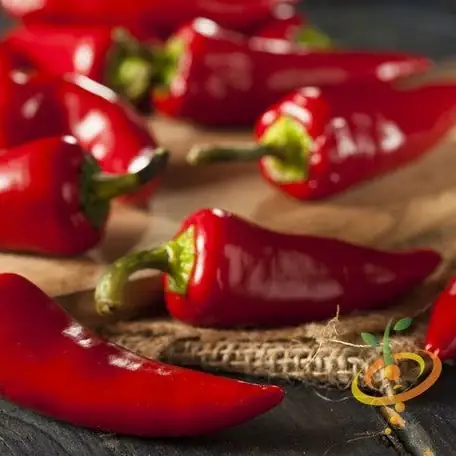
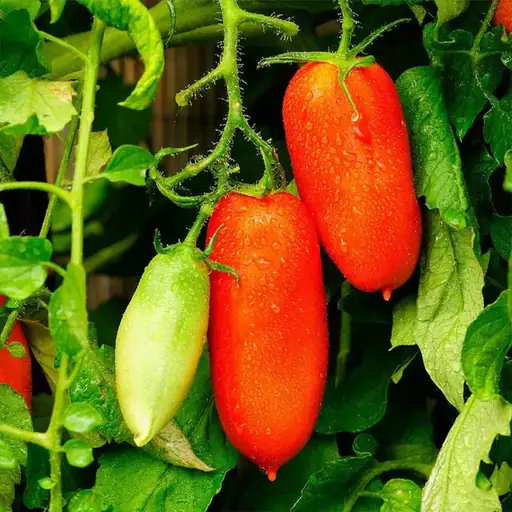
What Are Red Fresno Chili Peppers? Red Fresno chili peppers are a versatile Mexican variety that brings moderate heat and bright, complex flavor to the kitchen. These cone-shaped peppers mature from green to a vibrant red, offering a crisp texture and juicy interior. Fresnos are often compared to.

āļ‚āļ­āđƒāļšāđ€āļŠāļ™āļ­āļĢāļēāļ„āļēāļ—āļĩāđˆāļ›āļĢāļąāļšāđāļ•āđˆāļ‡āđƒāļŦāđ‰āđ€āļŦāļĄāļēāļ°āļŠāļĄāļāļąāļšāļ„āļ§āļēāļĄāļ•āđ‰āļ­āļ‡āļāļēāļĢāļ‚āļ­āļ‡āļ„āļļāļ“

āļĢāļēāļ„āļē āļ‚āļ™āļēāļ”āļšāļĢāļĢāļˆāļļāļ āļąāļ“āļ‘āđŒ āđāļĨāļ°āļ„āļ§āļēāļĄāļžāļĢāđ‰āļ­āļĄāļˆāļģāļŦāļ™āđˆāļēāļĒāļˆāļ°āđ„āļ”āđ‰āļĢāļąāļšāļāļēāļĢāļĒāļ·āļ™āļĒāļąāļ™āđƒāļ™āđƒāļšāđ€āļŠāļ™āļ­āļĢāļēāļ„āļēāļŠāđˆāļ§āļ™āļšāļļāļ„āļ„āļĨāļ‚āļ­āļ‡āļ„āļļāļ“ āļāļēāļĢāļŠāđˆāļ‡āļ„āļģāļŠāļ­āļšāļ–āļēāļĄāđ„āļĄāđˆāđ„āļ”āđ‰āļŦāļĄāļēāļĒāļ–āļķāļ‡āļāļēāļĢāļŠāļąāđˆāļ‡āļ‹āļ·āđ‰āļ­āđāļĨāļ°āļŠāļģāļĢāļ°āđ€āļ‡āļīāļ™āđ€āļĢāļĩāļĒāļšāļĢāđ‰āļ­āļĒāđāļĨāđ‰āļ§

āļŠāļ­āļšāļ–āļēāļĄāđ€āļāļĩāđˆāļĒāļ§āļāļąāļšāļ„āļ§āļēāļĄāđ€āļŦāļĄāļēāļ°āļŠāļĄ āļ§āļīāļ˜āļĩāļāļēāļĢāļ›āļĨāļđāļ āđāļĨāļ°āļ‚āđ‰āļ­āļāļģāļŦāļ™āļ”āđƒāļ™āļāļēāļĢāđ€āļˆāļĢāļīāļāđ€āļ•āļīāļšāđ‚āļ•
āļ•āļĢāļ§āļˆāļŠāļ­āļšāļ•āļąāļ§āđ€āļĨāļ·āļ­āļāļāļēāļĢāļˆāļąāļ”āļŠāđˆāļ‡āđāļĨāļ°āđ€āļ­āļāļŠāļēāļĢāļ—āļĩāđˆāļˆāļģāđ€āļ›āđ‡āļ™āđƒāļ™āđƒāļšāđ€āļŠāļ™āļ­āļĢāļēāļ„āļēāļ‚āļ­āļ‡āļ„āļļāļ“

āđ€āļāļĩāđˆāļĒāļ§āļāļąāļšāļžāļąāļ™āļ˜āļļāđŒāļ™āļĩāđ‰

What Are Red Fresno Chili Peppers?

Red Fresno chili peppers are a versatile Mexican variety that brings moderate heat and bright, complex flavor to the kitchen. These cone-shaped peppers mature from green to a vibrant red, offering a crisp texture and juicy interior. Fresnos are often compared to jalapeÃąos but deliver more heat and a fruitier taste. They're equally at home fresh in salsas, roasted in dishes, or dried for long-term storage, making them an essential pepper for any serious cook.

Flavor Profile and Heat Level

Red Fresno chilies deliver a medium heat that's noticeably spicier than jalapeÃąos but still manageable for most palates. Their flavor is bright and fruity with subtle smoky undertones, especially when roasted or charred. The heat builds gradually and lingers pleasantly without overwhelming the dish. This balanced profile makes them ideal for salsas, hot sauces, and any recipe where you want genuine spice paired with sophisticated flavor complexity. Scoville heat units (SHU): 2,500-10,000/medium

Growing Red Fresno Peppers at Home

Red Fresno peppers thrive in warm, sunny gardens with well-draining soil and consistent moisture. These plants are prolific producers that love full sun exposure and warm temperatures. Start seeds indoors 6 to 8 weeks before your last frost date, then transplant outdoors once soil warms to 65°F or higher. The compact plants typically reach 2 to 3 feet tall and produce abundantly throughout the growing season with minimal support needed.

Culinary Uses

Red Fresno peppers shine in fresh applications and cooked dishes alike. Slice them into salsas, pico de gallo, and fresh sauces for bright heat and flavor. Roast them whole for a smoky depth, or char them for fajitas and tacos. They're excellent pickled for condiments, dried and ground into powder for seasoning blends, or infused into vinegars and oils. Their versatility makes them perfect for everything from Asian stir-fries to Latin American classics.

Harvesting and Storage

Harvest Red Fresno peppers when they've fully matured to their deep red color for maximum sweetness and heat. Pick regularly to encourage continuous production throughout the season. Fresh peppers keep in the refrigerator for up to three weeks, while drying them extends their shelf life indefinitely. Dried Fresnos can be rehydrated for cooking, ground into powder, or crushed into flakes for versatile seasoning options.

In Summary

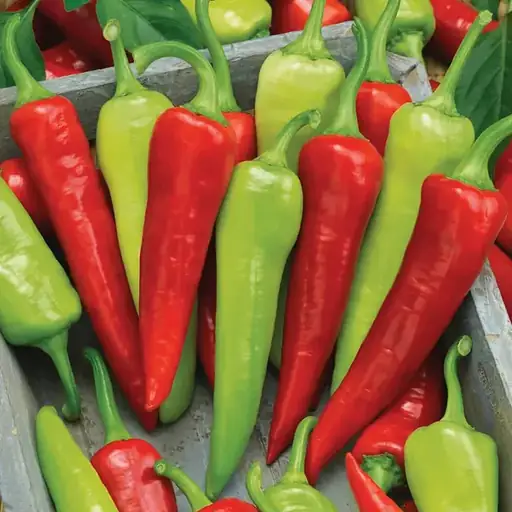
The Fresno Chili Pepper is a fun one to follow as it grows. The immature green fruit starts out pointing upward, and has a green, grassy flavor with mild heat. As the color changes through orange to bright red, the fruit hangs down, and the flavor changes to smoky and fruity with a bit more heat than a JalapeÃąo. These 3" tapered peppers are large enough to stuff, and small enough to pickle. Traditionally used to liven up ceviche, but it’s okay to grill that fish instead and make tacos topped with Fresno chili sauce. Excellent for roasting on the BBQ - or even pickling.

  • High yields
  • Smoky, fruity flavor
  • Harvest any color
  • Good for containers

SEED PLANTING TIPS

  • Botanical name: Capsicum annuum
  • Pepper length: 2"-3"
  • Scoville heat units (SHU): 2,500-10,000/medium
  • Plant support: Tomato cage or stake
  • Depth to plant seeds: .25" deep
  • Spacing between plants: 18"-24"apart
  • Spacing between rows: 24"-36" apart
  • Days to germinate (sprout): 7-21 days
  • Germination soil temps: 75F-85F
  • Soil needs: 6.0-7.0 pH
  • Sun needs: Full sun
  • Frost hardy: No
  • Planting season: Spring, summer
  • # of plants per sq. ft.: Appx. 1 plant per sq. ft.
  • Days to maturity: 75-80 days

Good companion plants: Basil, Carrot, Cucumber, Eggplant, Okra, Rosemary, Sage, Squash, Tomato

All Peppers ⟐ Hot Peppers  📚 Hot Peppers Grow Guide

āļ„āļģāļ–āļēāļĄāđāļĨāļ°āļāļēāļĢāļ­āļ āļīāļ›āļĢāļēāļĒ

āļšāļ—āļ„āļ§āļēāļĄāļ—āļĩāđˆāļŠāđˆāļ‡āđ€āļ‚āđ‰āļēāļĄāļēāļˆāļ°āđ„āļ”āđ‰āļĢāļąāļšāļāļēāļĢāļ•āļĢāļ§āļˆāļŠāļ­āļšāļāđˆāļ­āļ™āđ€āļœāļĒāđāļžāļĢāđˆ āļāļĢāļļāļ“āļēāđ€āļ‚āđ‰āļēāļŠāļđāđˆāļĢāļ°āļšāļšāđ€āļžāļ·āđˆāļ­āđ‚āļžāļŠāļ•āđŒāļāļĢāļ°āļ—āļđāđ‰āđƒāļŦāļĄāđˆ

āļĒāļąāļ‡āļĄāļĩāļŠāļīāđˆāļ‡āđƒāļŦāđ‰āļ„āđ‰āļ™āļžāļšāļ­āļĩāļāļĄāļēāļāļĄāļēāļĒ

āđ€āļĄāļĨāđ‡āļ”āļĄāļ°āđ€āļ‚āļ·āļ­āđ€āļ—āļĻāļ­āļ­āļĢāđŒāđāļāļ™āļīāļāļ‹āļēāļ™āļĄāļēāļĢāđŒāļ‹āļēāđ‚āļ™āļŠāļģāļŦāļĢāļąāļšāļ›āļĨāļđāļāđƒāļ™āļŠāļ§āļ™āđ€āļĨāļ·āļ­āļāđāļĨāđ‰āļ§
āļāļēāļĢāļ„āļąāļ”āđ€āļĨāļ·āļ­āļāđ‚āļ”āļĒ Seedsun

āđ€āļĄāļĨāđ‡āļ”āļĄāļ°āđ€āļ‚āļ·āļ­āđ€āļ—āļĻāļ­āļ­āļĢāđŒāđāļāļ™āļīāļāļ‹āļēāļ™āļĄāļēāļĢāđŒāļ‹āļēāđ‚āļ™āļŠāļģāļŦāļĢāļąāļšāļ›āļĨāļđāļāđƒāļ™āļŠāļ§āļ™

āļ‚āļ­āđƒāļšāđ€āļŠāļ™āļ­āļĢāļēāļ„āļēāļ—āļĩāđˆāļ›āļĢāļąāļšāđāļ•āđˆāļ‡āđƒāļŦāđ‰āđ€āļŦāļĄāļēāļ°āļŠāļĄāļāļąāļšāļ„āļ§āļēāļĄāļ•āđ‰āļ­āļ‡āļāļēāļĢāļ‚āļ­āļ‡āļ„āļļāļ“

āđ€āļĄāļĨāđ‡āļ”āļžāļĢāļīāļāļŦāļ§āļēāļ™āļŠāļģāļŦāļĢāļąāļšāļ›āļĨāļđāļāđƒāļ™āļŠāļ§āļ™āđ€āļĨāļ·āļ­āļāđāļĨāđ‰āļ§
āļāļēāļĢāļ„āļąāļ”āđ€āļĨāļ·āļ­āļāđ‚āļ”āļĒ Seedsun

āđ€āļĄāļĨāđ‡āļ”āļžāļĢāļīāļāļŦāļ§āļēāļ™āļŠāļģāļŦāļĢāļąāļšāļ›āļĨāļđāļāđƒāļ™āļŠāļ§āļ™

āļ‚āļ­āđƒāļšāđ€āļŠāļ™āļ­āļĢāļēāļ„āļēāļ—āļĩāđˆāļ›āļĢāļąāļšāđāļ•āđˆāļ‡āđƒāļŦāđ‰āđ€āļŦāļĄāļēāļ°āļŠāļĄāļāļąāļšāļ„āļ§āļēāļĄāļ•āđ‰āļ­āļ‡āļāļēāļĢāļ‚āļ­āļ‡āļ„āļļāļ“

āđ€āļĄāļĨāđ‡āļ”āđāļ„āļĢāļ­āļ—āđ„āļŪāļšāļĢāļīāļ”āļŠāļĩāļĢāļļāđ‰āļ‡ āļŠāļģāļŦāļĢāļąāļšāļ›āļĨāļđāļāđƒāļ™āļŠāļ§āļ™āđ€āļĨāļ·āļ­āļāđāļĨāđ‰āļ§
āļāļēāļĢāļ„āļąāļ”āđ€āļĨāļ·āļ­āļāđ‚āļ”āļĒ Seedsun

āđ€āļĄāļĨāđ‡āļ”āđāļ„āļĢāļ­āļ—āđ„āļŪāļšāļĢāļīāļ”āļŠāļĩāļĢāļļāđ‰āļ‡ āļŠāļģāļŦāļĢāļąāļšāļ›āļĨāļđāļāđƒāļ™āļŠāļ§āļ™

āļ‚āļ­āđƒāļšāđ€āļŠāļ™āļ­āļĢāļēāļ„āļēāļ—āļĩāđˆāļ›āļĢāļąāļšāđāļ•āđˆāļ‡āđƒāļŦāđ‰āđ€āļŦāļĄāļēāļ°āļŠāļĄāļāļąāļšāļ„āļ§āļēāļĄāļ•āđ‰āļ­āļ‡āļāļēāļĢāļ‚āļ­āļ‡āļ„āļļāļ“

āđ€āļĄāļĨāđ‡āļ”āļžāļąāļ™āļ˜āļļāđŒāļŸāļąāļāļ—āļ­āļ‡āļ­āļ­āļĢāđŒāđāļāļ™āļīāļ Butterbaby āļŠāļģāļŦāļĢāļąāļšāļ›āļĨāļđāļāđƒāļ™āļŠāļ§āļ™āđ€āļĨāļ·āļ­āļāđāļĨāđ‰āļ§
āļāļēāļĢāļ„āļąāļ”āđ€āļĨāļ·āļ­āļāđ‚āļ”āļĒ Seedsun

āđ€āļĄāļĨāđ‡āļ”āļžāļąāļ™āļ˜āļļāđŒāļŸāļąāļāļ—āļ­āļ‡āļ­āļ­āļĢāđŒāđāļāļ™āļīāļ Butterbaby āļŠāļģāļŦāļĢāļąāļšāļ›āļĨāļđāļāđƒāļ™āļŠāļ§āļ™

āļ‚āļ­āđƒāļšāđ€āļŠāļ™āļ­āļĢāļēāļ„āļēāļ—āļĩāđˆāļ›āļĢāļąāļšāđāļ•āđˆāļ‡āđƒāļŦāđ‰āđ€āļŦāļĄāļēāļ°āļŠāļĄāļāļąāļšāļ„āļ§āļēāļĄāļ•āđ‰āļ­āļ‡āļāļēāļĢāļ‚āļ­āļ‡āļ„āļļāļ“

āļ•āļ°āļāļĢāđ‰āļēāđƒāļšāđ€āļŠāļ™āļ­āļĢāļēāļ„āļē 0

āļĢāļēāļ„āļē āļ‚āļ™āļēāļ”āļšāļĢāļĢāļˆāļļāļ āļąāļ“āļ‘āđŒ āđāļĨāļ°āļ„āļ§āļēāļĄāļžāļĢāđ‰āļ­āļĄāļˆāļģāļŦāļ™āđˆāļēāļĒāļˆāļ°āđ„āļ”āđ‰āļĢāļąāļšāļāļēāļĢāļĒāļ·āļ™āļĒāļąāļ™āđƒāļ™āđƒāļšāđ€āļŠāļ™āļ­āļĢāļēāļ„āļēāļŠāđˆāļ§āļ™āļšāļļāļ„āļ„āļĨāļ‚āļ­āļ‡āļ„āļļāļ“ āļāļēāļĢāļŠāđˆāļ‡āļ„āļģāļŠāļ­āļšāļ–āļēāļĄāđ„āļĄāđˆāđ„āļ”āđ‰āļŦāļĄāļēāļĒāļ–āļķāļ‡āļāļēāļĢāļŠāļąāđˆāļ‡āļ‹āļ·āđ‰āļ­āđāļĨāļ°āļŠāļģāļĢāļ°āđ€āļ‡āļīāļ™āđ€āļĢāļĩāļĒāļšāļĢāđ‰āļ­āļĒāđāļĨāđ‰āļ§

Seedsun

āļĄāļēāļžāļđāļ”āļ–āļķāļ‡āđ€āļĄāļĨāđ‡āļ”āļžāļąāļ™āļ˜āļļāđŒāļāļąāļ™āđ€āļ–āļ­āļ°

āđ‚āļ›āļĢāļ”āđāļˆāđ‰āļ‡āļ„āļ§āļēāļĄāļ•āđ‰āļ­āļ‡āļāļēāļĢāļ‚āļ­āļ‡āļ„āļļāļ“ āļĢāļ§āļĄāļ–āļķāļ‡āļŠāļ™āļīāļ” āļ›āļĢāļīāļĄāļēāļ“ āđāļĨāļ°āļ›āļĨāļēāļĒāļ—āļēāļ‡ āđ€āļžāļ·āđˆāļ­āļ—āļĩāđˆāđ€āļĢāļēāļˆāļ°āđ„āļ”āđ‰āđ€āļ•āļĢāļĩāļĒāļĄāļ„āļģāļ•āļ­āļšāļ—āļĩāđˆāđ€āļŦāļĄāļēāļ°āļŠāļĄāđƒāļŦāđ‰

āđ€āļĢāļēāđƒāļŠāđ‰āļ‚āđ‰āļ­āļĄāļđāļĨāļ‚āļ­āļ‡āļ„āļļāļ“āđ€āļžāļ·āđˆāļ­āļ•āļ­āļšāļ‚āđ‰āļ­āļ‹āļąāļāļ–āļēāļĄāļ™āļĩāđ‰ āđ‚āļ›āļĢāļ”āļ­āđˆāļēāļ™āļ™āđ‚āļĒāļšāļēāļĒāļ„āļ§āļēāļĄāđ€āļ›āđ‡āļ™āļŠāđˆāļ§āļ™āļ•āļąāļ§āļ‚āļ­āļ‡āđ€āļĢāļē āļ™āđ‚āļĒāļšāļēāļĒāļ„āļ§āļēāļĄāđ€āļ›āđ‡āļ™āļŠāđˆāļ§āļ™āļ•āļąāļ§