การคัดเลือกโดย Seedsun
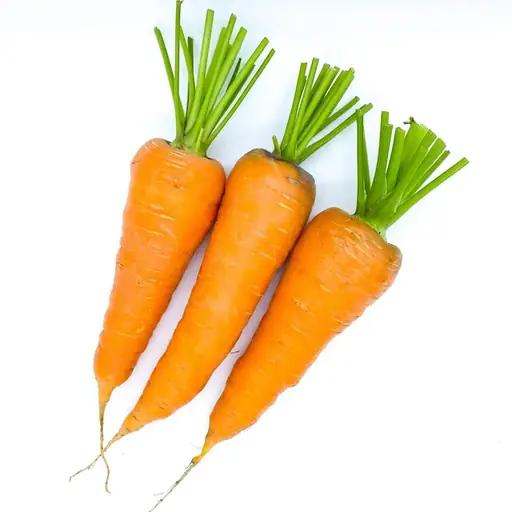
紅蘿蔔 新黑田五吋 Seeds for Garden Planting
ขอใบเสนอราคาที่ปรับแต่งให้เหมาะสมกับความต้องการของคุณ

รหัสสินค้า: 96728
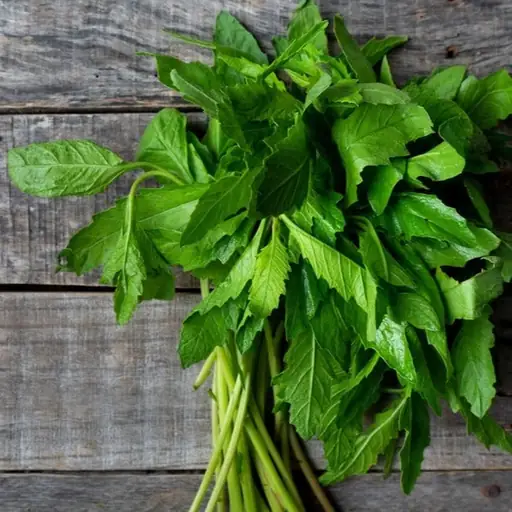
What Is Epazote (Dysphania ambrosioides)? Epazote is a pungent, leafy annual herb native to Mexico and Central America, prized for its distinctive, slightly citrusy and peppery flavor. This bold plant has been a cornerstone of traditional Mexican cuisine for centuries and is essential in authentic.
ราคา ขนาดบรรจุภัณฑ์ และความพร้อมจำหน่ายจะได้รับการยืนยันในใบเสนอราคาส่วนบุคคลของคุณ การส่งคำสอบถามไม่ได้หมายถึงการสั่งซื้อและชำระเงินเรียบร้อยแล้ว
Epazote is a pungent, leafy annual herb native to Mexico and Central America, prized for its distinctive, slightly citrusy and peppery flavor. This bold plant has been a cornerstone of traditional Mexican cuisine for centuries and is essential in authentic bean dishes, salsas, and quesadillas. With its rapid growth and prolific leaf production, epazote is an excellent choice for gardeners seeking a flavorful, productive herb that thrives in warm conditions.
Epazote thrives in warm weather and full sun, preferring well-draining soil with moderate fertility. Plant it in a location that receives at least six hours of direct sunlight daily for vigorous growth and maximum flavor development. This herb loves heat and actually performs better in hot climates, making it ideal for summer gardens in warmer regions.
Space epazote plants about 12 inches apart to allow room for spreading growth. The plant is an annual in most climates, meaning it completes its life cycle in a single growing season. Epazote typically reaches 24 to 36 inches in height and produces small, greenish flowers followed by distinctive seed pods. The plant self-seeds readily, so you may find volunteer seedlings returning in subsequent seasons.
Begin harvesting epazote leaves once the plant is established, typically six to eight weeks after planting. Pinch off leaves and tender stems regularly to encourage bushier growth and continuous production. Fresh epazote is best used immediately, as its distinctive flavor is most vibrant when the leaves are young and tender.
Epazote is a staple in Mexican cooking, adding authentic flavor to bean dishes, corn preparations, and traditional salsas. Its peppery, slightly gaseous notes complement black beans, pinto beans, and corn-based recipes beautifully. Use epazote sparingly, as its bold flavor can easily overpower other ingredients. A handful of fresh leaves added near the end of cooking provides maximum flavor impact.
Water epazote regularly, keeping the soil consistently moist but not waterlogged. This herb appreciates warmth and moisture more than many other culinary herbs. Fertilize lightly every few weeks with a balanced fertilizer to support continuous growth and leaf production. Epazote requires minimal pruning beyond regular harvesting, though pinching back the growing tips encourages bushier plants.
Epazote is sensitive to cold and frost, so plant it only after all danger of frost has passed. In cooler climates, grow it as a warm-season annual and enjoy fresh harvests throughout the summer months. Allow some plants to flower and set seed if you'd like self-sown epazote to return the following year.
Epazote (Dysphania ambrosioides) is a culinary herb with a lemony green color and serrated leaves, traditionally used to add a bold umami-type depth to Mexican cuisine. Its flavor has been described as a mix of mint and savory with a bit of camphor or turpentine thrown in. An acquired taste.
As a companion plant, it attracts beneficial insects and masks the scent of other plants that suffer from pest damage.
Also used medicinally to help with stomach upset and to combat intestinal parasites. Can become invasive, so best grown in a container.
Good companion plants: Bean, Carrot, Pea, Squash, Tomato
ขอใบเสนอราคาที่ปรับแต่งให้เหมาะสมกับความต้องการของคุณ
ขอใบเสนอราคาที่ปรับแต่งให้เหมาะสมกับความต้องการของคุณ
ขอใบเสนอราคาที่ปรับแต่งให้เหมาะสมกับความต้องการของคุณ
ขอใบเสนอราคาที่ปรับแต่งให้เหมาะสมกับความต้องการของคุณ
คำถามและการอภิปราย