 Избранные
Выбор Seedsun
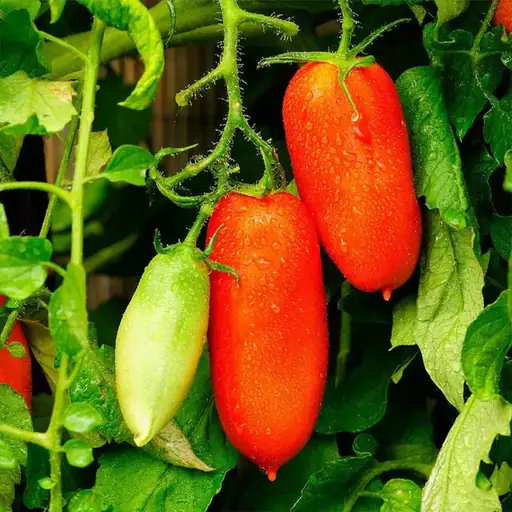
Органические семена томатов Сан-Марцано для посадки в саду.
Запросите индивидуальное предложение.

Артикул: SNV8212
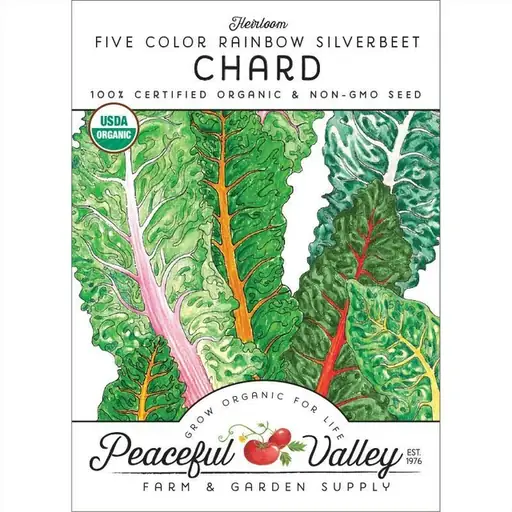
Five Color Silverbeet Chard is a stunning variety that brings both beauty and utility to your garden. Known for its vibrant stems in shades of red, orange, yellow, pink, and white, this chard is as ornamental as it is productive. The tender, glossy green leaves have a mild, slightly earthy flavor,.
Цены, размеры упаковки и наличие товара уточняются в вашем индивидуальном предложении. Отправка запроса не является оформлением платного заказа.
Five Color Silverbeet Chard is a stunning variety that brings both beauty and utility to your garden. Known for its vibrant stems in shades of red, orange, yellow, pink, and white, this chard is as ornamental as it is productive. The tender, glossy green leaves have a mild, slightly earthy flavor, making them perfect for steaming, sautéing, or adding fresh to salads. Thriving in full sun to partial shade and well-draining soil, Five Color Silverbeet Chard matures in 50-60 days and is highly versatile, performing well in both garden beds and containers.
Direct sow Five Color Silverbeet Chard into a prepared, loose seedbed and keep the seed zone moist during establishment. Seed clusters can produce more than oling, so thin carefully when plants are large enough to handle. Use young leaves selectively if desired while preserving foliage for root development. Check root shoulders as maturity approaches and harvest at the preferred size. Seasonal conditions and spacing can influence both root size and harvest timing.
This variety is a cool-season crop that tolerates light frosts and can be harvested as baby greens or mature leaves.
Regular cutting encourages continuous growth, providing a steady supply of flavorful greens throughout the season.
In addition to its culinary uses, the colorful stems add a striking visual element to your garden.
Before sowing Five Color Silverbeet Chard, review the packet alongside the current product details and note any range in temperature, germination, or maturity. Ranges reflect biological and seasonal variation rather than a fixed promise. Label each planting with its date and location, then compare emergence, growth, and harvest with local weather. This record is useful for succession plantings and for deciding whether the crop fits better into an earlier or later seasonal window.
Explore related options in our Resource Guide.
ИзбранныеЗапросите индивидуальное предложение.
 Избранные
Запросите индивидуальное предложение.
 Избранные
Запросите индивидуальное предложение.
 Избранные
Запросите индивидуальное предложение.
Вопросы и обсуждение