 Selecionado
A seleção Seedsun
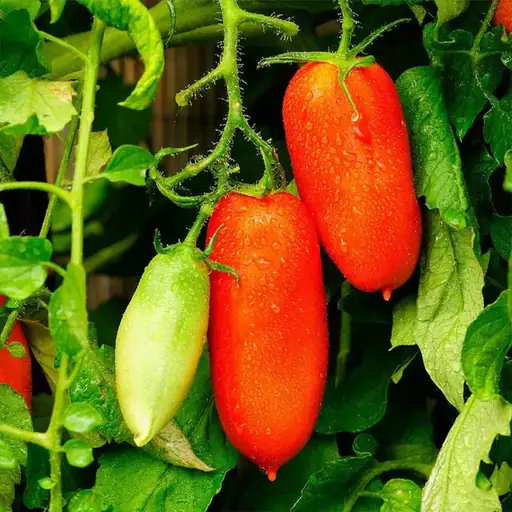
Sementes de tomate orgânico San Marzano para plantio em horta.
Solicite um orçamento personalizado.

SKU: SNV8165
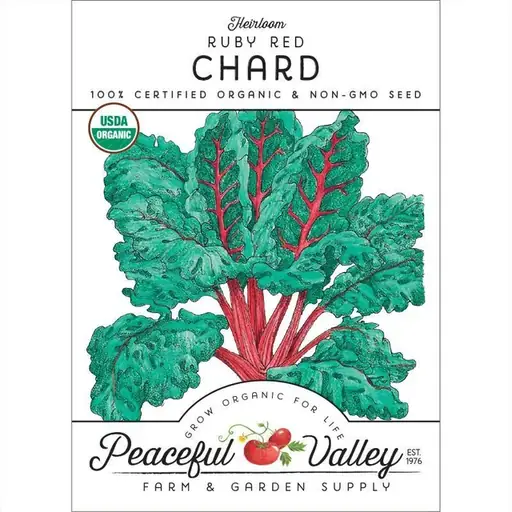
Red Ruby Chard is a stunning and versatile leafy green, known for its bright red stems and tender, dark green leaves. This flavorful variety is perfect for sautéing, steaming, or adding to fresh salads, delivering a mild, earthy flavor with a hint of sweetness. Thriving in full sun to partial shade.
Os preços, tamanhos das embalagens e disponibilidade serão confirmados em seu orçamento personalizado. O envio de uma consulta não implica na efetivação de um pedido pago.
Red Ruby Chard is a stunning and versatile leafy green, known for its bright red stems and tender, dark green leaves. This flavorful variety is perfect for sautéing, steaming, or adding to fresh salads, delivering a mild, earthy flavor with a hint of sweetness. Thriving in full sun to partial shade and well-draining soil, Red Ruby Chard matures in just 50-60 days and can be harvested as baby greens or full-sized leaves. The upright plants are both ornamental and productive, adding a splash of vibrant color to garden beds, borders, or containers.
Direct sow Red Ruby Chard into a prepared, loose seedbed and keep the seed zone moist during establishment. Seed clusters can produce more than oling, so thin carefully when plants are large enough to handle. Use young leaves selectively if desired while preserving foliage for root development. Check root shoulders as maturity approaches and harvest at the preferred size. Seasonal conditions and spacing can influence both root size and harvest timing.
Red Ruby Chard is a cool-season crop that performs well in both spring and fall, tolerating light frosts and extending the growing season.
Regular harvesting encourages continuous growth, providing a steady supply of fresh greens throughout the season.
The dark green leaves have crimson stalks and veins.
Before sowing Red Ruby Chard, review the packet alongside the current product details and note any range in temperature, germination, or maturity. Ranges reflect biological and seasonal variation rather than a fixed promise. Label each planting with its date and location, then compare emergence, growth, and harvest with local weather. This record is useful for succession plantings and for deciding whether the crop fits better into an earlier or later seasonal window.
Explore related options in our Resource Guide.
SelecionadoSolicite um orçamento personalizado.
 Selecionado
Solicite um orçamento personalizado.
 Selecionado
Solicite um orçamento personalizado.
 Selecionado
Solicite um orçamento personalizado.
Perguntas e discussão