 Selecionado
A seleção Seedsun
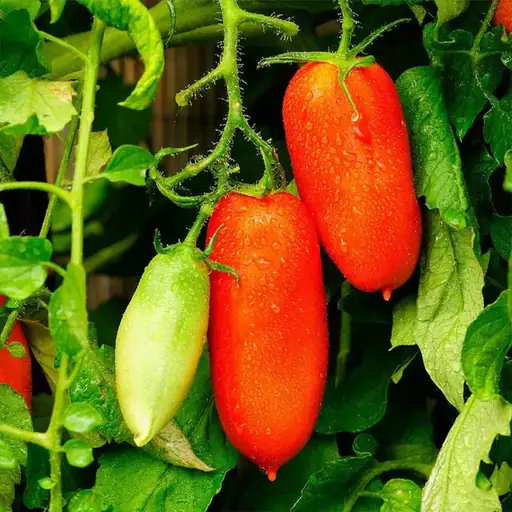
Sementes de tomate orgânico San Marzano para plantio em horta.
Solicite um orçamento personalizado.

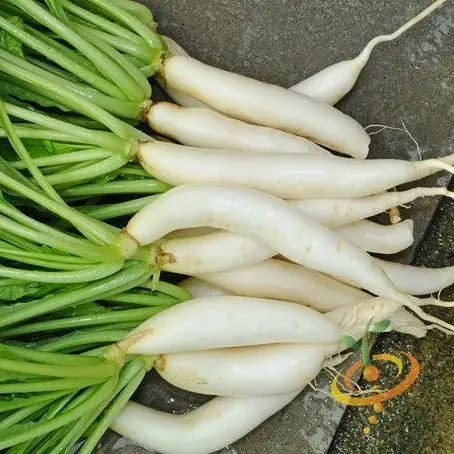
Growing Japanese Minowase Daikon Radishes: A Guide to the "Big Root" Japanese Minowase daikon radishes, often called "Big Root" varieties, are a fascinating addition to any vegetable garden. These impressive root vegetables can grow quite large and offer a unique flavor profile that sets them apart.
Os preços, tamanhos das embalagens e disponibilidade serão confirmados em seu orçamento personalizado. O envio de uma consulta não implica na efetivação de um pedido pago.
Japanese Minowase daikon radishes, often called "Big Root" varieties, are a fascinating addition to any vegetable garden. These impressive root vegetables can grow quite large and offer a unique flavor profile that sets them apart from smaller radish varieties. Whether you're a seasoned gardener or just starting out, growing daikon radishes is a rewarding experience that yields substantial harvests.
Daikon radishes are a staple in Japanese cuisine and have been cultivated for centuries. Unlike the small, peppery radishes many people are familiar with, daikon varieties like Minowase develop into large, mild-flavored roots. The "Big Root" designation refers to their impressive size potential—these radishes can grow substantially larger than traditional varieties while maintaining a crisp, tender texture.
The flavor of Japanese daikon is notably milder and slightly sweet compared to smaller radish varieties, making them versatile in the kitchen. They can be eaten raw in salads, pickled, roasted, or added to soups and stir-fries.
Daikon radishes thrive in cool-season growing conditions and prefer full sun exposure. Plant seeds directly into well-draining, loose soil enriched with organic matter. These radishes need room to develop their large roots, so space seeds appropriately according to your seed packet instructions.
Water consistently to keep the soil evenly moist but not waterlogged. Daikon radishes typically mature in 50 to 70 days, depending on the specific variety and growing conditions. They perform best in temperatures between 50 and 70 degrees Fahrenheit, making them ideal for spring and fall planting in most regions.
When your daikon radishes reach maturity, you'll notice the shoulders of the root pushing up through the soil surface. Harvest by gently loosening the soil around the base and pulling the entire root from the ground. Mature daikon radishes store well in cool conditions and can last for several weeks when kept in a root cellar or refrigerator.
Growing Japanese Minowase daikon radishes brings both visual interest and culinary excitement to your garden. With proper care and attention to their growing needs, you'll enjoy a bountiful harvest of these impressive "Big Root" vegetables.
Radishes are rich in ascorbic acid, folic acid, and potassium. They are a good source of vitamin B6, riboflavin, magnesium, copper, and calcium. One cup of sliced red radish bulbs provides approximately 20 calories, largely from carbohydrates
Follow 's board Radishes on Pinterest.SelecionadoSolicite um orçamento personalizado.
 Selecionado
Solicite um orçamento personalizado.
 Selecionado
Solicite um orçamento personalizado.
 Selecionado
Solicite um orçamento personalizado.
Perguntas e discussão