 Wybrany
Selekcja Seedsun
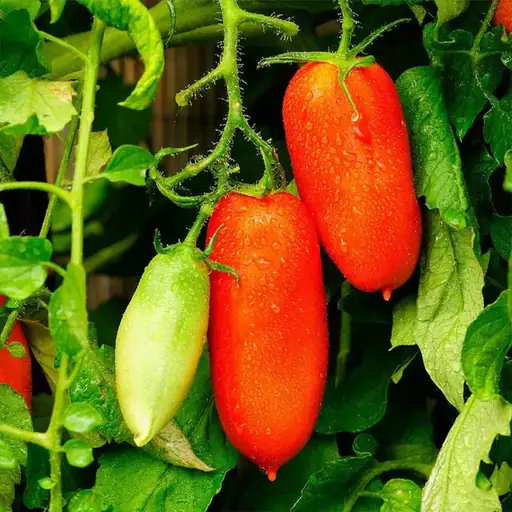
Nasiona pomidorów organicznych San Marzano do sadzenia w ogrodzie
Poproś o indywidualną wycenę

SKU: N4083
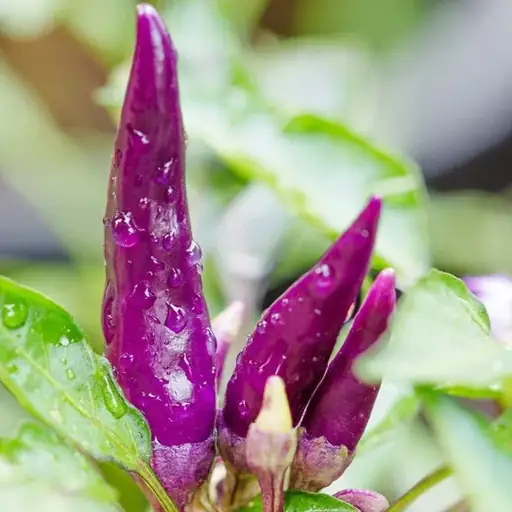
What Are Purple Cayenne Peppers? Purple Cayenne peppers are a stunning variety that combines ornamental beauty with serious culinary heat. These slender, elongated peppers start as vibrant purple and mature to deep red, creating a dramatic display in any garden. Purple Cayennes deliver the classic.
Ceny, rozmiary opakowań i dostępność zostaną potwierdzone w Państwa indywidualnej wycenie. Wysłanie zapytania nie oznacza złożenia opłaconego zamówienia.
Purple Cayenne peppers are a stunning variety that combines ornamental beauty with serious culinary heat. These slender, elongated peppers start as vibrant purple and mature to deep red, creating a dramatic display in any garden. Purple Cayennes deliver the classic cayenne kick—intense and lingering—while their unique coloring makes them as visually striking as they are flavorful. They're perfect for gardeners who want both aesthetic appeal and functional heat.
Purple Cayenne peppers pack substantial heat with a sharp, biting spice that builds quickly on the palate. Their flavor is bright and slightly fruity beneath the fire, with a clean finish that lingers pleasantly. This combination makes them excellent for hot sauces, dried pepper flakes, and any dish where you want bold, uncompromising heat. They're significantly hotter than poblanos but slightly less intense than some superhot varieties. Scoville heat units (SHU): 30,000-50,000/hot
Purple Cayenne peppers thrive in warm, sunny locations with well-draining soil and consistent moisture. These plants love heat and produce prolifically in full sun. Start seeds indoors 8 to 10 weeks before your last frost date, then transplant outdoors once soil temperatures warm to 70°F or higher. The plants grow tall and slender, typically reaching 2 to 3 feet, and benefit from staking for support as they produce their abundant fruit load.
Purple Cayenne peppers excel in applications demanding serious heat. Dry them whole for decorative pepper strings, grind them into cayenne powder for seasoning blends, or use fresh peppers in hot sauces and spicy marinades. They're excellent in curries, stir-fries, and any dish needing a fiery kick. Their striking appearance also makes them ideal for infusing vinegars or oils, creating both visually beautiful and intensely flavored condiments.
Harvest Purple Cayenne peppers when they've matured to their deep red color for maximum heat and flavor development. Pick regularly throughout the season to encourage continuous flowering and fruiting. Fresh peppers store in the refrigerator for several weeks, while drying them preserves their heat indefinitely. Dried Purple Cayennes can be ground into powder, crushed into flakes, or stored whole for long-term use in your kitchen.
The Purple Cayenne Pepper may look like grape candy, but the color it leaves on your tongue is from the burn of 50,000Scoville heat units (SHUs). The vigorous plant with purple-tinged leaves produces loads of lilac blossoms that become loads of 5"-6" slim, tapered, glossy purple fruit that can get so dark on its way to red hot, it looks like licorice. A bit sweeter than the Red Cayenne Pepper, and dazzling enough to be a landscape ornamental. Use it fresh, pickled, candied, or dried.
SEED PLANTING TIPS
Good companion plants: Basil, Carrot, Cucumber, Eggplant, Okra, Rosemary, Sage, Squash, Tomato
Cayenne is a popular spice in a variety of cuisines. It is employed variously in its fresh form, dried and powdered, and as dried flakes. It is also a key ingredient in a variety of hot sauces, particularly those employing vinegar as a preservative. Buffalo Wings sauce contains Cayenne pepper.
Good companion plants: Basil, Carrot, Cucumber, Eggplant, Okra, Rosemary, Sage, Squash, Tomato
WybranyPoproś o indywidualną wycenę
 Wybrany
Poproś o indywidualną wycenę
 Wybrany
 Wybrany
Pytania i dyskusja