 Wybrany
Selekcja Seedsun
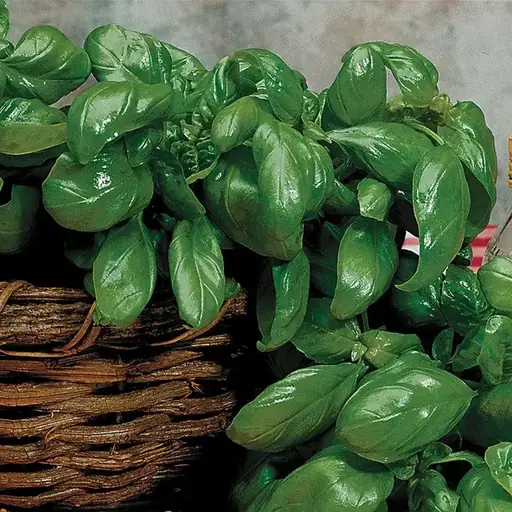
Nasiona bazylii włoskiej o dużych liściach do sadzenia w ogrodzie
Poproś o indywidualną wycenę

SKU: KK965
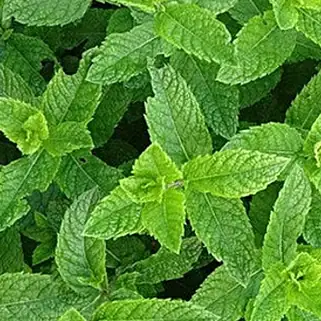
Growing Peppermint: A Gardener's Guide to This Refreshing Herb Peppermint is one of the most versatile and rewarding herbs you can grow in your garden. Whether you're planning to use it for tea, cooking, or simply enjoying its invigorating aroma, this hardy plant thrives with minimal care and.
Ceny, rozmiary opakowań i dostępność zostaną potwierdzone w Państwa indywidualnej wycenie. Wysłanie zapytania nie oznacza złożenia opłaconego zamówienia.
Peppermint is one of the most versatile and rewarding herbs you can grow in your garden. Whether you're planning to use it for tea, cooking, or simply enjoying its invigorating aroma, this hardy plant thrives with minimal care and produces abundantly throughout the growing season.
Beyond its delicious flavor, peppermint offers numerous benefits. It's naturally pest-resistant, attracts pollinators, and grows vigorously in most climates. Fresh peppermint leaves are far superior to dried versions you'll find in stores, and homegrown plants ensure you know exactly what you're consuming—no additives or preservatives.
Peppermint prefers partial shade and moist, well-draining soil. Plant it in spring after the last frost, spacing plants about 12 inches apart. You can start from seeds, but many gardeners find that transplants or root divisions establish faster. One important tip: peppermint spreads aggressively through underground runners, so consider planting it in containers or a designated bed to prevent it from taking over your garden.
Keep the soil consistently moist but not waterlogged. Water deeply once or twice weekly, depending on your climate and rainfall. Peppermint is relatively low-maintenance—it doesn't require heavy fertilizing, though a light application of compost in spring supports healthy growth. Pinch back the tops regularly to encourage bushier plants and prevent flowering, which extends your harvest window.
Begin harvesting leaves once the plant is established, typically 6 to 8 weeks after planting. Pinch off leaves as needed for fresh use, or cut entire stems just above a leaf node. For the best flavor, harvest in the morning after the dew dries. You can harvest continuously throughout the growing season, and the plant will keep producing new growth.
Fresh leaves can be refrigerated in a plastic bag for up to two weeks. For longer storage, dry leaves by hanging stems upside down in a warm, dark place for one to two weeks, then strip the leaves and store in an airtight container. Dried peppermint makes excellent tea and retains its flavor for several months.
Growing peppermint is a simple way to add fresh flavor to your kitchen and create a beautiful, fragrant garden space. Start with just one or two plants, and you'll likely have more peppermint than you can use.
Follow 's board Mint on Pinterest.
WybranyPoproś o indywidualną wycenę
Pytania i dyskusja