
 Wybrany
Ta strona jest wyświetlana w oryginalnym języku. Tłumaczenie nie jest jeszcze dostępne.
Selekcja Seedsun
Coneflower, Purple Echinacea Flower seeds for Garden Planting
SKU: J7499
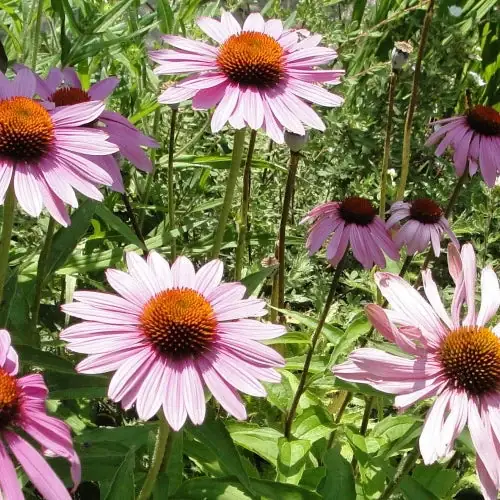
Purple Echinacea coneflowers are among the most striking and reliable perennials you can grow in your garden. With their deep magenta to purple petals and distinctive orange-brown cone centers, these native wildflowers bring both elegance and ecological value to any landscape. The Appeal of Purple.
Poproś o indywidualną wycenę
Ceny, rozmiary opakowań i dostępność zostaną potwierdzone w Państwa indywidualnej wycenie. Wysłanie zapytania nie oznacza złożenia opłaconego zamówienia.
Zapytaj o przydatność, wymagania dotyczące siewu i uprawy.
Potwierdź opcje dostawy i wymagane dokumenty w swojej ofercie.
O tej odmianie
Purple Echinacea coneflowers are among the most striking and reliable perennials you can grow in your garden. With their deep magenta to purple petals and distinctive orange-brown cone centers, these native wildflowers bring both elegance and ecological value to any landscape.
The Appeal of Purple Echinacea
Purple coneflowers stand out for their rich, jewel-toned blooms that create a bold visual statement in garden beds and borders. Unlike some ornamental plants that fade as the season progresses, purple echinacea maintains its vibrant color from early summer through the first frost. The flowers are also exceptionally long-lasting, both on the plant and in cut flower arrangements, making them a favorite for gardeners who want extended color and for those who enjoy bringing blooms indoors.
Growing Purple Echinacea Successfully
Purple coneflowers thrive in full sun and well-draining soil, making them ideal for sunny garden spots where other plants might struggle. They're remarkably drought-tolerant once established, requiring minimal watering except during extended dry periods. These plants prefer lean soil and actually perform better without heavy fertilization—too much nitrogen can lead to weak stems and fewer flowers. Plant seeds directly in spring or fall, or transplant seedlings after the last frost date for faster blooms.
Supporting Pollinators and Wildlife
One of the greatest gifts purple echinacea offers is its role in supporting local ecosystems. Butterflies, bees, and other pollinators are drawn to the nectar and pollen, making these flowers essential for a thriving garden habitat. As summer turns to fall, goldfinches and other seed-eating birds feast on the dried seed heads, providing natural food sources when other resources become scarce. By planting purple echinacea, you're creating a haven for wildlife while enjoying stunning blooms.
Year-Round Garden Interest
Even after flowering ends, purple echinacea continues to earn its place in the garden. The dried seed heads provide architectural interest and texture through fall and winter, adding visual appeal to dormant landscapes. Leave them standing until spring to support overwintering insects and provide food for birds. When spring arrives, simply cut back the old growth to make room for fresh shoots. This perennial performer delivers beauty and purpose season after season with minimal intervention.
Overall, echinacea, also called Purple Coneflower, is an easy care perennial in the daisy family. Blooms bunches of blossoms with lavender petals skirting a brown spiky cone center atop sturdy stems that can grow 2'-4' tall. The leaves, flowers, buds, stems, and roots have been used medicinally for centuries, both dried and fresh, as an herbal tea, tincture, and oil infusion. Plant a deep pot, a small plot, or an entire lot!
- Immune system booster
- Attracts pollinators
- Long-lasting cut flower
- Good for containers
As a medicinal herb, Echinacea supports the immune system and has been used internally as a preventative against colds, flu, and chest congestion. It has also been used internally to treat anxiety, arthritis, asthma, colds, constipation, cough, depression, diphtheria, headache, inflammation, pain, rheumatism, sore throat, stomach cramps, strep throat, tonsillitis, tuberculosis, and whooping cough. Externally, Echinacea has been used to treat insect bites and stings, burns, dry or wrinkled skin, tired eyes, toothache, and wounds.
SEED PLANTING TIPS
- Botanical name: Echinacea purpurea
- Life cycle: Herbaceous perennial
- Hardiness zones: 3-9
- Planting season: Spring, summer, fall
- Days to maturity: 2 years; can begin harvesting when 6" tall
- Depth to plant seeds: Lightly cover - seeds need light to germinate
- Days to germinate (sprout): 7-30 days
- Germination soil temps: 65F-70F
- Spacing between plants: 12"-18" apart
- Spacing between rows: 18"-24" apart
- # of plants per sq. ft.: Appx. 1 plant per sq. ft.
- Soil types: Clay, sandy, loamy, silty, rocky, chalky, shallow, poor, rich, dry, well-drained
- Soil pH: 6.5-7.2
- Sun needs: Full sun, part shade
- Water needs: Low - do not overwater
- Cold stratify: Yes
- Frost tolerant: Yes
- Heat tolerant: Yes
- Drought tolerant: Yes
- Deer resistant: Yes
- Medicinal use: Yes
⚠️ Medicinal properties are presented as information only, and are not a recommendation or prescription for use. Consult a medical professional before using any herb medicinally.
Pytania i dyskusja