
 Gekozen
Deze pagina wordt in de oorspronkelijke taal weergegeven. Een vertaling is nog niet beschikbaar.
De Seedsun-selectie
Daisy, Ox-Eye Flower seeds for Garden Planting
SKU: B7226
Understanding Ox-Eye Daisies Ox-eye daisies are a classic wildflower that brings cheerful beauty to gardens and meadows across North America. Known scientifically as Chrysanthemum leucanthemum, these hardy perennials are beloved by gardeners for their simplicity and resilience. With their.
Vraag een offerte op maat aan.
Prijzen, verpakkingsgroottes en beschikbaarheid worden bevestigd in uw persoonlijke offerte. Het versturen van een aanvraag is geen betaalde bestelling.
Informeer naar de geschiktheid, zaai- en kweekvereisten.
Bevestig de leveringsopties en benodigde documenten in uw offerte.
Over deze variëteit
Understanding Ox-Eye Daisies
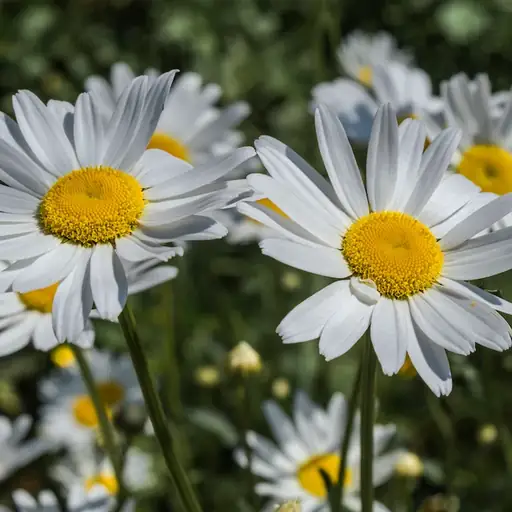
Ox-eye daisies are a classic wildflower that brings cheerful beauty to gardens and meadows across North America. Known scientifically as Chrysanthemum leucanthemum, these hardy perennials are beloved by gardeners for their simplicity and resilience. With their distinctive white petals surrounding bright yellow centers, ox-eye daisies create a timeless, cottage-garden aesthetic that complements nearly any landscape.
Growing Conditions and Care
Ox-eye daisies thrive in full sun and well-draining soil, making them an excellent choice for sunny borders, meadows, and wildflower gardens. These plants are remarkably low-maintenance and tolerate poor soil conditions that might challenge other flowers. Once established, they require minimal watering and are naturally resistant to pests and diseases, making them ideal for gardeners seeking a carefree option.
Plant ox-eye daisy seeds directly in the garden in spring or fall, or start them indoors 6-8 weeks before your last frost date. Space seedlings about 12-18 inches apart to allow room for growth. These flowers typically bloom from late spring through summer, providing weeks of continuous color with minimal intervention.
Harvesting and Enjoying Your Daisies
Ox-eye daisies make wonderful cut flowers for fresh arrangements. Harvest blooms in the morning after the dew has dried, cutting stems just above a leaf node. Place freshly cut stems in cool water immediately to extend their vase life. These cheerful flowers also dry beautifully, allowing you to preserve their beauty for dried arrangements and crafts.
Why Choose Ox-Eye Daisies
Beyond their ornamental appeal, ox-eye daisies support pollinators like bees and butterflies, making them a valuable addition to any garden ecosystem. Their ability to self-seed means you'll enjoy new plants year after year with minimal effort. Whether you're creating a wildflower meadow, filling a cottage garden, or simply adding reliable color to your landscape, ox-eye daisies deliver natural charm and dependable performance.
In Summary
The Ox-Eye Daisy (Leucanthemum vulgare) is a perennial flowering plant that is commonly found in gardens and natural landscapes. This species is characterized by its distinctive white petals and yellow central disc, making it a popular choice for ornamental gardening. The plant typically reaches a height of 1 to 3 feet and blooms from late spring to early fall, providing a long-lasting display of flowers.
One of the notable features of the Ox-Eye Daisy is its adaptability to various soil types. It thrives in well-drained soils but can also tolerate poorer soil conditions, which makes it an excellent choice for gardeners looking to fill challenging areas. The plant prefers full sun but can also grow in partial shade, although flowering may be reduced in lower light conditions.
In terms of maintenance, the Ox-Eye Daisy is relatively low-maintenance. It requires minimal watering once established, as it is drought-tolerant. However, regular deadheading can promote further blooming and prevent the plant from becoming overly invasive, as it can self-seed readily. It is important to note that while the Ox-Eye Daisy can enhance the aesthetic appeal of a garden, it may also compete with native flora if not managed properly.
From a horticultural perspective, the Ox-Eye Daisy is beneficial for attracting pollinators, including bees and butterflies, which are essential for maintaining biodiversity in garden ecosystems. The flowers provide a source of nectar, contributing to the overall health of pollinator populations. Studies have shown that gardens with a variety of flowering plants, including the Ox-Eye Daisy, can increase pollinator visitation rates by up to 50%.
In addition to its ornamental value, the Ox-Eye Daisy has historical significance in traditional medicine. Various parts of the plant have been used for their anti-inflammatory and antiseptic properties, although scientific evidence supporting these uses is limited. As with any plant, caution should be exercised when considering medicinal applications, and consultation with a qualified professional is recommended.
In conclusion, the Ox-Eye Daisy is a versatile and attractive addition to any garden. Its ability to thrive in diverse conditions, coupled with its role in supporting pollinator health, makes it a valuable plant for both aesthetic and ecological purposes. Gardeners should consider incorporating this species into their planting schemes to enhance both the beauty and biodiversity of their outdoor spaces.
SEED PLANTING TIPS
- Botanical name: Leucanthemum x superbum
- Hardiness zones: 4-9
- Planting season: Spring
- Days to maturity: 1st or 2nd year
- Cold stratify: Yes
- Depth to plant seeds: Lightly cover - seeds need light to germinate
- Spacing between plants: 18"-24" apart
- Days to germinate (sprout): 14-21 days
- Germination soil temps: 65F-70F
- Soil types: Loamy, moist, well-drained
- Soil pH: 5.5-6.2
- Water needs: Low - do not overwater
- Sun needs: Full sun
- Frost tolerant: No
- Drought tolerant: Yes
- Deer resistant: Yes
Vragen en discussie