

이 페이지는 원문으로 표시됩니다. 번역본은 아직 제공되지 않았습니다.
시드선 셀렉션
Milkweed, Common Flower seeds for Garden Planting
SKU: D3168
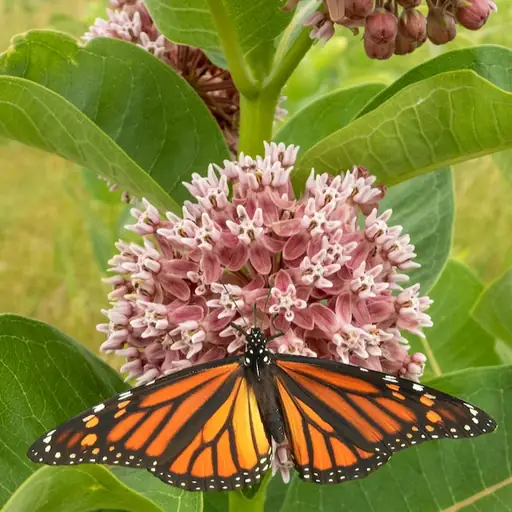
Understanding the Milkweed Flower Milkweed is one of nature's most fascinating and important flowering plants. Known scientifically as Asclepias, milkweed has earned its common name from the milky sap that flows through its stems and leaves. This distinctive plant plays a vital role in ecosystems.
맞춤 견적을 요청하세요
가격, 포장 크기 및 재고 여부는 개별 견적서에서 확인하실 수 있습니다. 문의를 보내는 것만으로는 유료 주문이 접수되지 않습니다.
재배 적합성, 파종 및 재배 요건에 대해 문의하십시오.
견적서에서 배송 옵션과 필요 서류를 확인하세요.
이 품종에 대하여
Understanding the Milkweed Flower
Milkweed is one of nature's most fascinating and important flowering plants. Known scientifically as Asclepias, milkweed has earned its common name from the milky sap that flows through its stems and leaves. This distinctive plant plays a vital role in ecosystems across North America and beyond, making it a wonderful addition to any garden.
What Makes Milkweed Special
Milkweed flowers are instantly recognizable by their unique clustered blooms, which typically appear in shades of pink, orange, red, yellow, or purple depending on the variety. The flowers grow in dense, rounded clusters called umbels, creating a striking visual display that attracts pollinators from late spring through summer.
Beyond its beauty, milkweed is renowned for its ecological importance. The plant is the sole larval host for monarch butterflies, meaning monarch caterpillars depend entirely on milkweed leaves for food. Without milkweed, monarch populations cannot survive, making this plant essential for supporting these iconic butterflies.
Growing Milkweed in Your Garden
Milkweed is remarkably easy to grow, thriving in full sun and well-draining soil. Most varieties are drought-tolerant once established, requiring minimal water and maintenance. The plant typically grows between two and four feet tall, depending on the species, and produces seed pods in late summer and fall.
These seed pods eventually split open to release silky-winged seeds that drift on the breeze, naturally spreading the plant throughout your garden. Many gardeners appreciate this self-seeding quality, though you can also collect seeds for planting in specific locations.
In Summary
Common milkweed also called Showy Milkweed, Swamp Milkweed, Butterfly Weed, and Sullivant's Milkweed.
Whether you're passionate about supporting monarch butterflies or simply looking for a low-maintenance perennial with stunning flowers, milkweed is a rewarding choice that brings both beauty and ecological value to your outdoor space.
The common milkweed (Asclepias Syriaca) is a perennial plant native to North America, known for its distinctive clusters of pink to purple flowers and its ecological significance. This plant typically grows to a height of 3 to 4 feet and thrives in a variety of soil types, preferring well-drained, sandy loam. It is commonly found in fields, roadsides, and disturbed areas, making it an adaptable choice for gardeners looking to enhance biodiversity.
Blooms continuously summer through fall, providing migrating monarchs with nectar snacks for their long journey and a place to lay their eggs. Can be grown as an annual in cooler grow zones. Lovely and long-lasting in cut flower arrangements.
- Life cycle: Herbaceous perennial
- Bloom season: Summer, fall
- Attracts: Beneficial insects, hummingbirds, bees, butterflies, and other pollinators
- Flower meaning: Dignity, freedom, rejection, remembrance, solitude
As a medicinal plant, Milkweed has been used internally to treat diarrhea, gonorrhea, intestinal parasites and worms, pneumonia, spleen inflammation, and stomach tumors, and externally to treat bleeding, boils, corns, dermatitis, eye infections, ringworm, skin parasites, snakebites, sores, warts, and wounds.
⚠️ Although Milkweed is known to be safe when used correctly, all parts of the plant are toxic and may even cause death to people, pets, horses, and livestock if ingested in large quantities. The milky sap is a skin irritant. Do not ingest while pregnant or nursing.
⚠️ Medicinal properties are presented as information only, and are not a recommendation or prescription for use. Consult a medical professional before using any plant medicinally.
NOTE: A parasite, Ophryocystis elektroscirrha (OE), travels with monarchs and is deposited on every plant they visit. In warm grow zones where this non-native milkweed does not die back from a killing frost, the OE parasite can build up and harm the caterpillars that feed on the leaves and the butterflies they become. A continuously blooming milkweed may also encourage the monarchs to dally rather than migrate, which interrupts their reproductive cycle. It’s easy to eliminate both dangers, by cutting your plants to the ground at least once per season.
SEED PLANTING TIPS
- Botanical name: Asclepias curassavica
- Hardiness zones: 8-11
- Planting season: Spring, fall
- Days to maturity: 100-120 days
- Cold stratify: No
- Depth to plant seeds: 1/4" deep - Soaking seeds in warm water overnight aids germination.
- Spacing between plants: 1'-2' apart
- Days to germinate (sprout): 10-21 days
- Germination soil temps: 60F-70F
- Soil types: Clay, caliche, sandy, loamy, silty, rocky, chalky, rich, dry, moist, wet
- Soil pH: 6.1-7.5
- Water needs: Average
- Sun needs: Full sun, part shade
- Frost tolerant: No
- Drought tolerant: Yes
- Deer resistant: Yes
More facts about Milkweed:
- The beautiful monarch butterflies rely on milkweed to lay their eggs upon. Sadly, habitats that naturally support monarchs are becoming fewer in number each year. New urban development & chemically treated "big agriculture" are destroying habitats of milkweed all over the United States.
- Sow in early January for first year blooms.
더 많은 것을 발견해 보세요
질문 및 토론