
이 페이지는 원문으로 표시됩니다. 번역본은 아직 제공되지 않았습니다.
시드선 셀렉션
Amelanchier nantucketensis
SKU: AMEL-NANT-01G
Among the rarest of the serviceberries, Amelanchier nantucketensis is a low, thicket-forming shrub that Eugene Bicknell first described in 1911 from the sandplains of Nantucket, the Massachusetts island whose name the plant carries. Nantucket serviceberry belongs to a small, taxonomically slippery.
맞춤 견적을 요청하세요
가격, 포장 크기 및 재고 여부는 개별 견적서에서 확인하실 수 있습니다. 문의를 보내는 것만으로는 유료 주문이 접수되지 않습니다.
재배 적합성, 파종 및 재배 요건에 대해 문의하십시오.
견적서에서 배송 옵션과 필요 서류를 확인하세요.
이 품종에 대하여
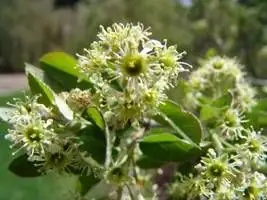
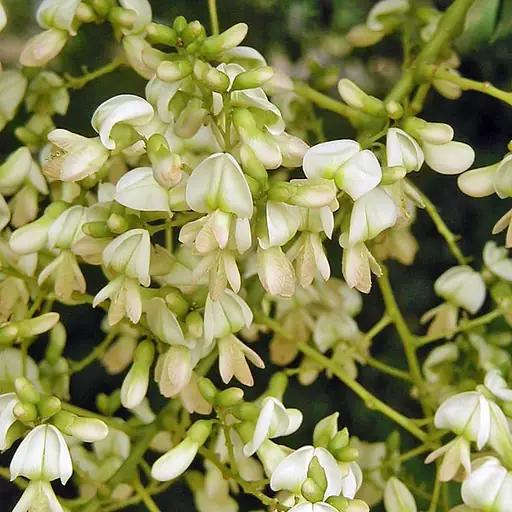
Among the rarest of the serviceberries, Amelanchier nantucketensis is a low, thicket-forming shrub that Eugene Bicknell first described in 1911 from the sandplains of Nantucket, the Massachusetts island whose name the plant carries. Nantucket serviceberry belongs to a small, taxonomically slippery group within the rose family, so closely tangled with neighboring shadbushes that botanists have argued for more than a century over whether this is a true species or a stabilized hybrid. What sets the plant apart is disarmingly small: petals shorter than those of any other serviceberry in the Northeast, often dusted with pollen along their own margins, a quirk called andropetaly that appears nowhere else in the group.
In the wild, colonies cling to open, sandy, sun-baked ground, the pine barrens, sandplain grasslands, and maritime heaths scattered thinly from Nova Scotia and Maine down the coast to Long Island, with the stronghold on Nantucket itself. This is a shrub built for lean living, spreading quietly by underground stolons into low drifts rather than rising into a single crown. White flowers open in mid-spring on short, erect racemes, feeding early bees and butterflies, and give way by early summer to small pomes that birds strip almost as fast as they ripen. Because Nantucket serviceberry is globally uncommon and state-protected across much of that range, growing nursery-propagated stock is a small act of conservation as much as gardening.
The genus name travels from amelanchièr, the old Provençal word for the European serviceberry, while the English names carry their own folklore. Shadbush marks the moment the flowers open, timed to the spring run of shad up the rivers; serviceberry most likely descends from Sorbus, the rowans whose small red pomes the fruit resembles, though a fond old story ties the word to the funeral services held once spring thawed the ground. Serviceberry fruit across the genus is sweet and blueberry-like with a faint almond note from the seeds, long gathered for pies, jams, and preserves, and this species offers the same edible reward on a smaller, wilder scale.
is indebted to Richard Lynch of the Sweetbay Magnolia Bioreserve on Staten Island, New York, for the original stock behind these plants, a lineage worth preserving. In the garden, Nantucket serviceberry asks for full sun and sharp, sandy, acidic soil, the leaner the better, and repays neglect once established. Set the shrub where a low, suckering colony is welcome, along a sunny bank, at a meadow or woodland edge, or woven into a coastal or native planting beside little bluestem, bearberry, lowbush blueberry, and bayberry. Deer tend to pass the plant by, and the autumn foliage warms to orange and red before the bare, twiggy winter frame takes over.
더 많은 것을 발견해 보세요
질문 및 토론