
How, When, and Why to Cut Back Ornamental Grasses
Ornamental grasses are increasingly being used in our landscapes as an alternative to shrubs. In any region of the country, you can find native grasses that do quite well, and add textural variety and a soft, flowing aspect to the garden. These plants are particularly attractive when grown in.
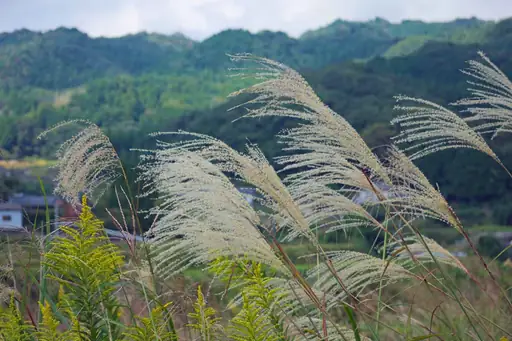
Ornamental grasses are increasingly being used in our landscapes as an alternative to shrubs.
In any region of the country, you can find native grasses that do quite well, and add textural variety and a soft, flowing aspect to the garden.
These plants are particularly attractive when grown in groups. Examples include any of the many Miscanthus varieties, blue fescue (Festuca glauca), and Mexican feather grass (Nassella tenuissima).
A few are evergreen in the southernmost parts of the United States.
But most are deciduous, rewarding gardeners year after year with fresh blades in solid or variegated green, red, and coppery colors, as well as prolific and attractive plumes and seed heads.
And while largely maintenance-free, many of these plants do benefit from an annual haircut. Let’s learn more about how to trim them up for maximum growth and beauty.
Enjoy Them Throughout Winter
While you likely won’t do any irreparable harm if you trim ornamentals back in the fall, we recommend you wait until late winter or early spring before you bring out the shears.
Many of these plants – especially those with spent plumes and attractive seed heads – offer alluring winter interest, particularly if snow or ice graces their foliage.
Keeping the leaves around also protects the crown of the plant throughout the winter, but you do want to prune the old growth before the new growth begins.
Leaving the dead material on too long can impair the crown’s warming and delay new growth by as long as three weeks.
If you delay the haircut until after new shoots have appeared, you’ll want to trim the old material carefully.
If you cut the new blades, they’ll have a raggedy, unnatural appearance all season.
Here in Austin, we prune our big grasses back in late January. Floridians can start chopping in early January, while our northern friends may have to wait until later in spring.
How Low Should You Go?
The 10-inch blades on these clippers will help you to get through any clump of grass quickly. Be sure to sharpen your blades frequently, as the grass will dull them.
Some gardeners use a hedge trimmer or even a chainsaw on older and tougher grass clumps.
Next, put on a long-sleeved shirt as the blades of grass can be quite sharp!
Fiskars Power Lever Hedge Shears
Tightly tie twine, rope, or a bungee cord around the clump, about two feet up from ground level, and cut below the tie.
This makes it easier to access the clump as you cut it, and it also provides you with a neat, tidy bundle to carry away and dispose of.
How short you cut these plants depends on whether they are cool-season or warm-season grasses.
While the cool-season varieties grow best when temperatures are 60 to 70°F, the warm-season grasses like it hot, and prefer temperatures in the 80 to 95°F range.
Warm-season grasses that are taller than three feet should be cut back to four to six inches from ground level. Shorter mature plants can be cut back to about three inches.
Prune cool-season grasses back by two-thirds.
The Greens Get a Rake
Some ornamentals, such as Fakahatchee grass (Tripsacum dactyloides), are evergreen in some parts of the country.
For these types, just rake through them a couple times a season with gloved hands to draw out any dead material.
If an evergreen grass grows to be too large, you can cut it back every couple of years. And of course, clip out the occasional dead blade as you encounter it.
Low Maintenance and Attractive
Elegant and flowy, ornamental grasses make a visually appealing addition to modern landscapes.
Cut them back as winter wanes and you’ll be rewarded with fresh and bright blades in springtime, and attractive plumes of seed heads in late summer and fall.
Do you have any of these types of plants in your landscape? When do you cut them back? Tell us about it in the comments section below.
And to learn more about growing ornamental grasses in your garden, check out these guides next:
- Easy Landscaping with Ornamental Grasses: Simple Tips for Carefree Success
- Tips for Growing Ornamental Grass in Containers
- How to Plant, Grow, and Care for Purple Fountain Grass
- Facebook54
- X
질문 및 토론