
How to Prepare Coreopsis Flowers for Winter
Bright and dainty yet boldly toothed, coreopsis flowers aka tickseed, are a lot prettier than their name suggests. The blooms are so cheerful that the Sunshine State, Florida, designated all Coreopsis species, both annual and perennial, as the state wildflower. Despite its significance in Florida,.
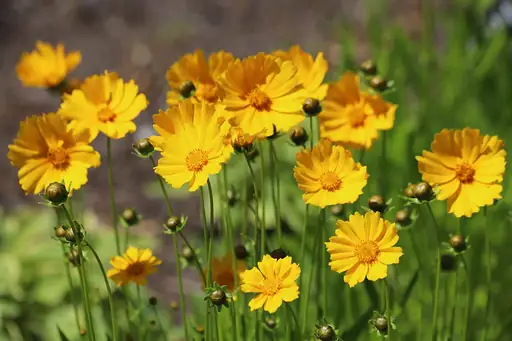
Bright and dainty yet boldly toothed, coreopsis flowers aka tickseed, are a lot prettier than their name suggests.
The blooms are so cheerful that the Sunshine State, Florida, designated all Coreopsis species, both annual and perennial, as the state wildflower.
Despite its significance in Florida, this member of the Asteraceae family grows wild throughout the eastern United States.
Many wild species and cultivars such as ‘Moonbeam,’ ‘Sun Up,’ and ‘Zagreg’ are suitable for cultivation in USDA Hardiness Zones 4 to 9, while newer, more colorful cultivars don’t survive those winters and are hardy in Zones 6 to 9.
They can also be grown as annuals. Many varieties reseed as easily as pansies, so if you let the flowers go to seed in the fall, you’ll have more bright blooms the following summer.
Check out our guide to growing coreopsis to learn more.
But what preparations are needed if you want to overwinter your perennial coreopsis? How can you prevent your plants from dying during a long, cold winter?
In this guide, we’ll tell all.
Here’s what I’ll cover:
What You’ll Learn
Should I Cut Back Coreopsis in the Fall?
Avoid Compost and Fertilizer
Apply a Layer of Mulch
Water Until the First Freeze
Should I Cut Back Coreopsis in the Fall?
In the case of many perennials, cutting them back for the winter months helps them come back with vigor the following spring.
But for this short-lived perennial, cutting them back at all can sometimes be a death knell.
The plant benefits from having the stems and foliage left intact to act as insulation and help protect the crown from the cold.
So no matter your growing zone, ideally you should leave the stems and foliage in place after the plant dies all the way back.
The foliage turns a pleasing mahogany in the fall before it dries to a brownish-gray color, adding texture to your landscape.
Yes, you’re leaving yourself some work for the springtime.
All you have to do once the earth thaws and all danger of frost has passed is cut the dead stems down to just two to three inches above the ground, and new flowers will grow.
If you must have a neat, clean look in your garden throughout the winter, you can cut your coreopsis down to four to six inches above the ground.
The stems will provide a bit of insulation for the crown and your landscape will look tidy.
Don’t cut any more than this, or you risk losing your daisy-like perennial to winter’s harsh weather.
Avoid Compost and Fertilizer
With many plants, the addition of a layer of compost to the growing area in the fall can help prepare the soil for a rich, rewarding springtime.
This is not the case with coreopsis. This plant actually thrives in average soil that’s not nutrient- or organically-rich.
All it requires is for the soil to be well-draining. Nutrient-rich soil can encourage leggy growth.
It doesn’t require fertilization, either. If you do wish to fertilize, do so in the springtime.
You don’t want to encourage new growth late in the season that will be killed by the first frost.
Apply a Layer of Mulch
While these toothy blooms don’t care for fertilizer or compost, they do require the insulation and warmth provided by a layer of organic mulch.
Add a three- to four-inch layer of organic mulch, such as chopped leaves, bark chips, or straw to the soil surrounding your plant.
This will help keep the roots warm during the winter, and as it breaks down, it’ll serve as a perfect low dose of nutrients for your coreopsis.
If you live in Alaska like I do, or in another area where winter grips the land for five or more months of the year, and the ground freezes for long periods, add an extra two or three inches of mulch.
If you have cut back your plants, you can apply leaves or straw over the top of the plant to further protect and insulate the crown.
Remove this additional layer in the spring after the danger of frost passes, to give your plant some room to grow.
Water Until the First Freeze
Coreopsis doesn’t like to have wet feet, but it does need a deep watering once a week.
Even after plants stop blooming in the fall, you’ll need to keep watering them until the first hard freeze.
So if autumn rains don’t provide the water for you, poke your finger into the soil and if it’s dry an inch down, give your plants a deep watering.
Toothy but Easy to Care For
It’s really not too difficult to overwinter this wildflower.
With just a few extra steps in fall, you can help ensure that it survives the winter and brings its bright blooms back to your garden the following summer.
Photo via Alamy.Have you ever successfully overwintered coreopsis? Share any tips or questions in the comments section below.
And to learn more about how to overwinter your garden beauties, check out these guides next:
- How to Winterize Hardy Garden Mums
- How to Care for Peony Plants in Winter
- How to Prepare Your Delphinium Plants for Winter
- Facebook100
- X


질문 및 토론