
このページは原文のまま表示されています。翻訳はまだご利用いただけません。
Seedsunセレクション
Vanessa Parrotia
SKU: 3811:shru
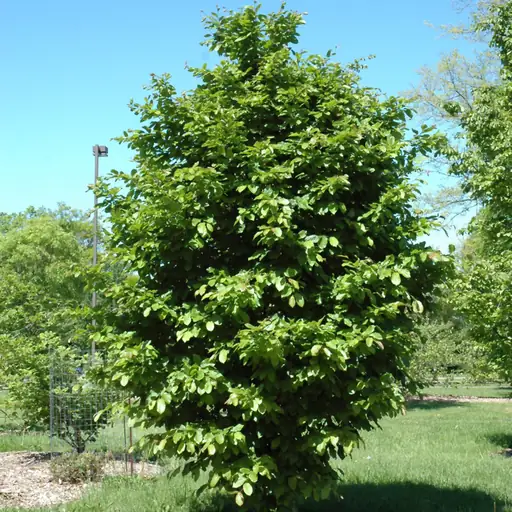
An upright pyramidal form of this landscape gem with a very neat, upright habit of growth, interesting mottled bark and superb blend of fall colors ranging from yellow to orange to red, holding late into fall; very adaptable to diverse conditionsQuick DescriptionAn upright pyramidal form of this.
個別の見積もりをご依頼ください
価格、梱包サイズ、在庫状況は、お客様専用の見積書にてご確認いただけます。お問い合わせを送信しても、お支払い済みの注文は確定されません。
適性、播種方法、栽培条件について尋ねてください。
お見積書に記載されている配送オプションと必要書類をご確認ください。
この品種について
An upright pyramidal form of this landscape gem with a very neat, upright habit of growth, interesting mottled bark and superb blend of fall colors ranging from yellow to orange to red, holding late into fall; very adaptable to diverse conditions
Quick Description
An upright pyramidal form of this landscape gem with a very neat, upright habit of growth, interesting mottled bark and superb blend of fall colors ranging from yellow to orange to red, holding late into fall; very adaptable to diverse conditions
Other Names: P. persica Fastigiata
What Makes it Special?
Vanessa Parrotia is primarily valued in the landscape for its distinctively pyramidal habit of growth. It has forest green deciduous foliage which emerges burgundy in spring. The serrated oval leaves turn an outstanding orange in the fall. The mottled brown bark is extremely showy and adds significant winter interest.
Not sure yet? Keep reading ↓ to achieve Plant Geek Status!
Landscape Attributes
Vanessa Parrotia is a dense multi-stemmed deciduous shrub with a distinctive and refined pyramidal form. Its average texture blends into the landscape, but can be balanced by one or two finer or coarser trees or shrubs for an effective composition.
This is a relatively low maintenance shrub, and should not require much pruning, except when necessary, such as to remove dieback. It has no significant negative characteristics.
Planting & Growing
Vanessa Parrotia will grow to be about 15 feet tall at maturity, with a spread of 8 feet. It has a low canopy, and is suitable for planting under power lines. It grows at a slow rate, and under ideal conditions can be expected to live for 60 years or more.
This shrub should only be grown in full sunlight. It is very adaptable to both dry and moist locations, and should do just fine under average home landscape conditions. It is not particular as to soil type or pH. It is highly tolerant of urban pollution and will even thrive in inner city environments. This is a selected variety of a species not originally from North America.
さらに多くの発見があります
質問とディスカッション