

このページは原文のまま表示されています。翻訳はまだご利用いただけません。
Seedsunセレクション
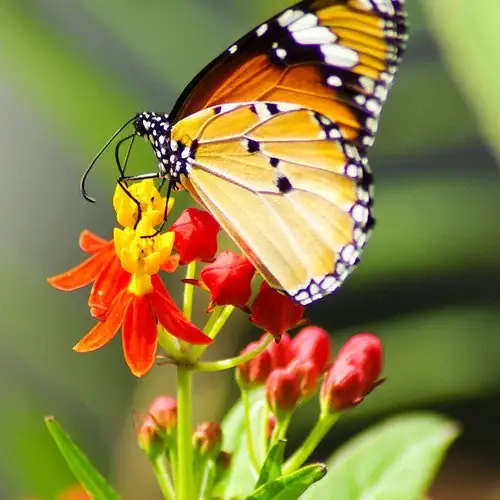
Milkweed, Tropical (Silky Deep Red/Blood Flower) Flower seeds
SKU: J7406
Tropical Silky Deep Red Milkweed: A Stunning Garden Jewel The Tropical Silky Deep Red Milkweed, also known as Blood Flower, is a breathtaking variety of milkweed that brings dramatic color and exotic appeal to any garden. With its rich, deep crimson blooms and silky texture, this tropical beauty.
個別の見積もりをご依頼ください
価格、梱包サイズ、在庫状況は、お客様専用の見積書にてご確認いただけます。お問い合わせを送信しても、お支払い済みの注文は確定されません。
適性、播種方法、栽培条件について尋ねてください。
お見積書に記載されている配送オプションと必要書類をご確認ください。
この品種について
Tropical Silky Deep Red Milkweed: A Stunning Garden Jewel
The Tropical Silky Deep Red Milkweed, also known as Blood Flower, is a breathtaking variety of milkweed that brings dramatic color and exotic appeal to any garden. With its rich, deep crimson blooms and silky texture, this tropical beauty stands out as one of the most visually striking milkweed species available to gardeners.
Distinctive Characteristics
What sets this variety apart is its intense deep red coloring, which ranges from blood-red to burgundy depending on growing conditions and sunlight exposure. The flowers form in dense, rounded clusters that seem to glow in the garden, creating a focal point that draws the eye and captivates visitors. The silky quality of the petals adds an elegant, refined appearance that elevates the overall aesthetic of your landscape.
This tropical variety typically grows taller than many temperate milkweed species, reaching heights of three to five feet, making it ideal for creating height and structure in garden beds and borders.
Growing Requirements
Tropical Silky Deep Red Milkweed thrives in warm climates and prefers full sun exposure to develop its most vibrant coloring. The plant loves well-draining soil and benefits from regular watering during the growing season, especially in hotter climates. While it's more heat and humidity-loving than some temperate varieties, it rewards gardeners with prolific blooming from summer through fall.
In cooler regions, this variety can be grown as an annual or brought indoors during winter months, allowing gardeners outside tropical zones to enjoy its spectacular flowers.
Supporting Pollinators and Monarchs
Like all milkweed varieties, the Tropical Silky Deep Red serves as a critical host plant for monarch butterfly caterpillars. Its abundant nectar also attracts a wide range of pollinators, including bees, hummingbirds, and other beneficial insects, making it an excellent choice for supporting local ecosystems while creating a vibrant, living garden.
Plant this stunning variety where you can appreciate its deep red blooms up close, and watch as it becomes a magnet for butterflies and other garden visitors throughout the growing season.
In Summary
Silky Deep Red Tropical Milkweed (Asclepias curassavica), also called Blood Flower, is striking in the garden and is a vital host plant for the endangered monarch butterfly. This easy care bushy perennial reseeds easily, isn’t fussy about soil or water, and can grow just about anywhere. Puts out bright, showy 2"-4" flower clusters in brilliant red-orange with yellow centers on slender stems that grow 2'-3' tall. Blooms continuously summer through fall, providing migrating monarchs with nectar snacks for their long journey and a place to lay their eggs. Can be grown as an annual in cooler grow zones. Lovely and long-lasting in cut flower arrangements.
- Life cycle: Herbaceous perennial
- Bloom season: Summer, fall
- Attracts: Beneficial insects, hummingbirds, bees, butterflies, and other pollinators
- Flower meaning: Dignity, freedom, rejection, remembrance, solitude
As a medicinal plant, Milkweed has been used internally to treat diarrhea, gonorrhea, intestinal parasites and worms, pneumonia, spleen inflammation, and stomach tumors, and externally to treat bleeding, boils, corns, dermatitis, eye infections, ringworm, skin parasites, snakebites, sores, warts, and wounds.
⚠️ Although Milkweed is known to be safe when used correctly, all parts of the plant are toxic and may even cause death to people, pets, horses, and livestock if ingested in large quantities. The milky sap is a skin irritant. Do not ingest while pregnant or nursing.
⚠️ Medicinal properties are presented as information only, and are not a recommendation or prescription for use. Consult a medical professional before using any plant medicinally.
NOTE: A parasite, Ophryocystis elektroscirrha (OE), travels with monarchs and is deposited on every plant they visit. In warm grow zones where this non-native milkweed does not die back from a killing frost, the OE parasite can build up and harm the caterpillars that feed on the leaves and the butterflies they become. A continuously blooming milkweed may also encourage the monarchs to dally rather than migrate, which interrupts their reproductive cycle. It’s easy to eliminate both dangers, by cutting your plants to the ground at least once per season.
SEED PLANTING TIPS
- Botanical name: Asclepias curassavica
- Hardiness zones: 8-11
- Planting season: Spring, fall
- Days to maturity: 100-120 days
- Cold stratify: No
- Depth to plant seeds: 1/4" deep - Soaking seeds in warm water overnight aids germination.
- Spacing between plants: 1'-2' apart
- Days to germinate (sprout): 10-21 days
- Germination soil temps: 60F-70F
- Soil types: Clay, caliche, sandy, loamy, silty, rocky, chalky, rich, dry, moist, wet
- Soil pH: 6.1-7.5
- Water needs: Average
- Sun needs: Full sun, part shade
- Frost tolerant: No
- Drought tolerant: Yes
- Deer resistant: Yes
More facts about Milkweed:
- The beautiful monarch butterflies rely on milkweed to lay their eggs upon. Sadly, habitats that naturally support monarchs are becoming fewer in number each year. New urban development & chemically treated "big agriculture" are destroying habitats of milkweed all over the United States.
- Sow in early January for first year blooms.
さらに多くの発見があります

質問とディスカッション