
このページは原文のまま表示されています。翻訳はまだご利用いただけません。
Seedsunセレクション
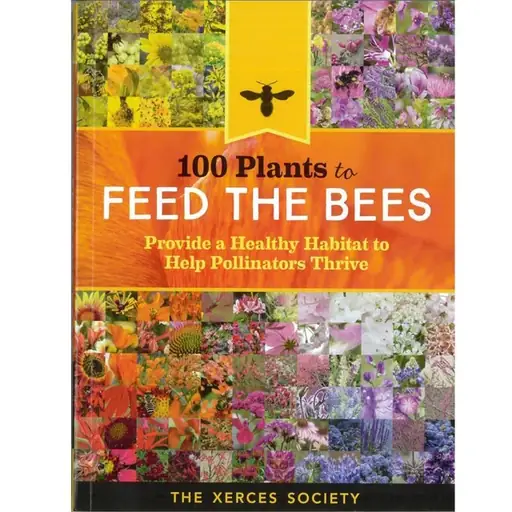
100 Plants to Feed the Bees
SKU: BO546
By The Xerces Society The first simple step toward protecting our pollinators is to provide the flowers they need, using no pesticides. With abundant native wildflowers, your task is even simpler: don't mow them down! This field guide identifies the plants that honey bees and native bees — as well.
個別の見積もりをご依頼ください
価格、梱包サイズ、在庫状況は、お客様専用の見積書にてご確認いただけます。お問い合わせを送信しても、お支払い済みの注文は確定されません。
適性、播種方法、栽培条件について尋ねてください。
お見積書に記載されている配送オプションと必要書類をご確認ください。
この品種について
By The Xerces Society
The first simple step toward protecting our pollinators is to provide the flowers they need, using no pesticides. With abundant native wildflowers, your task is even simpler: don't mow them down! This field guide identifies the plants that honey bees and native bees — as well as butterflies, moths and hummingbirds — find most nutritious, including flowers, trees, shrubs, herbs, and pasture plants. With guidance from the Xerces Society, the global authority on insects and other invertebrates, you can turn your backyard, farm, or community into a thriving pollinator habitat.
- Chapters on native wildflowers, native trees and shrubs, introduced tress and shrubs, introduced herbs and ornamentals and native and non-native bee pasture plants
- Helpful information on plants and pollinators
- Beautiful photos of plants and flowers and which pollinators each attract
Storey Publishing, 239 pages
さらに多くの発見があります



質問とディスカッション