 Selezionato
La selezione Seedsun
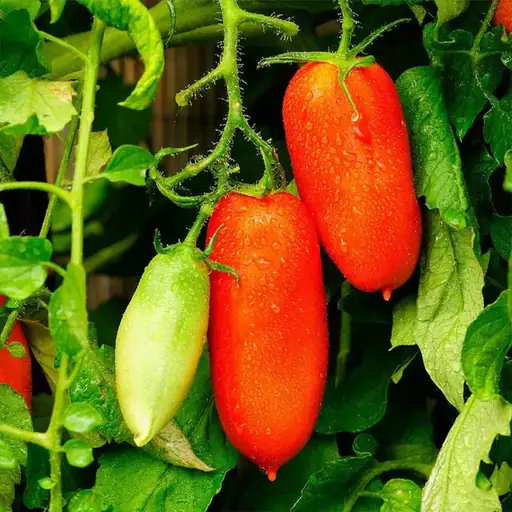
Semi di pomodoro biologico San Marzano per la semina in giardino
Richiedi un preventivo personalizzato

SKU: 95786
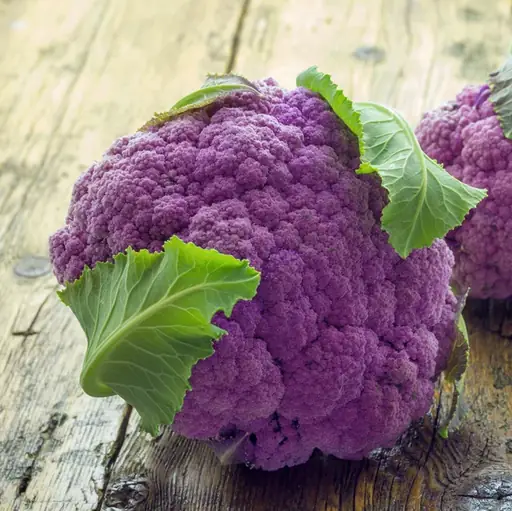
Growing Violetta Purple Cauliflower: A Gardener's Guide Violetta purple cauliflower is a stunning and nutritious addition to any vegetable garden. With its vibrant deep purple head and mild, slightly sweet flavor, this heirloom variety offers both visual appeal and culinary versatility. Whether.
Prezzi, formati e disponibilità saranno confermati nel preventivo personalizzato. L'invio di una richiesta non costituisce un ordine a pagamento.
Violetta purple cauliflower is a stunning and nutritious addition to any vegetable garden. With its vibrant deep purple head and mild, slightly sweet flavor, this heirloom variety offers both visual appeal and culinary versatility. Whether you're a seasoned gardener or just starting out, growing Violetta cauliflower is an achievable goal that rewards patience and proper care.
Beyond its striking appearance, Violetta purple cauliflower packs impressive nutritional benefits. The purple color comes from anthocyanins, powerful antioxidants that support overall health. This variety also tends to be more tolerant of temperature fluctuations compared to white cauliflower, making it a forgiving choice for gardeners in variable climates.
Begin Violetta seeds indoors about 4 to 6 weeks before your last spring frost. Use seed-starting mix in small containers and keep the soil consistently moist but not waterlogged. Maintain temperatures between 65 and 75 degrees Fahrenheit for optimal germination. Once seedlings develop their first true leaves, provide bright light to prevent leggy growth.
Harden off seedlings by gradually exposing them to outdoor conditions over 7 to 10 days. Transplant into rich, well-draining soil with plenty of organic matter worked in. Space plants 18 to 24 inches apart in full sun. Violetta cauliflower prefers consistent moisture and benefits from a layer of mulch around the base to regulate soil temperature and retain water.
Water deeply and regularly, aiming for about 1 to 2 inches per week depending on rainfall and heat. Feed with a balanced fertilizer every 3 to 4 weeks once plants are established. Watch for common pests like cabbage worms and aphids; use row covers early in the season or organic pest management methods as needed. Ensure adequate air circulation to prevent fungal issues.
Harvest heads when they reach 6 to 8 inches in diameter and before the florets begin to separate. Cut the main head with a sharp knife, leaving the plant in place—side shoots will often develop for additional smaller harvests. Violetta cauliflower is best enjoyed fresh but can also be steamed, roasted, or added to stir-fries for a colorful, nutritious meal.
SelezionatoRichiedi un preventivo personalizzato
 Selezionato
Richiedi un preventivo personalizzato
 Selezionato
Richiedi un preventivo personalizzato
 Selezionato
Richiedi un preventivo personalizzato
Domande e discussione