
Cette page est affichée dans sa langue d'origine. La traduction n'est pas encore disponible.
La sélection Seedsun
Rhododendron chapmanii
UGS: RHOD-CHAP-01G
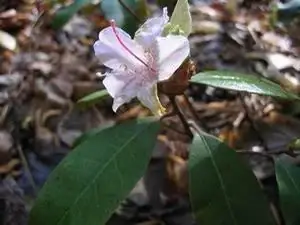
Chapman's rhododendron is a compact evergreen shrub of six to eight feet, carrying small, thick, distinctly rounded leaves in a light green, with margins that roll under slightly at the edge. In late spring the plant opens clusters of rose-pink flowers, funnel-shaped and freely borne, and the.
Demandez un devis personnalisé
Les prix, les conditionnements et la disponibilité sont confirmés dans votre devis personnalisé. L'envoi d'une demande de renseignements ne constitue pas une commande.
Renseignez-vous sur l'adéquation, les conditions de semis et de culture.
Veuillez confirmer les options de livraison et les documents requis dans votre devis.
À propos de cette variété
Chapman's rhododendron is a compact evergreen shrub of six to eight feet, carrying small, thick, distinctly rounded leaves in a light green, with margins that roll under slightly at the edge. In late spring the plant opens clusters of rose-pink flowers, funnel-shaped and freely borne, and the effect on a well-grown specimen is generous rather than sparse. Set beside the closely related Rhododendron minus, this plant reads lighter and rounder in the leaf, and most authorities now treat the two as one species, filing this one as Rhododendron minus var. chapmanii. We keep the name under which gardeners and native-plant people know the plant.
What sets Chapman's rhododendron apart horticulturally is heat. This is a north Florida plant, native to a handful of sites in the panhandle, growing in the filtered light of sandhill and flatwoods margins, and generally reckoned more heat tolerant than any other evergreen rhododendron. For Southern gardeners who have watched catawba hybrids sulk and die through a Carolina August, that is not a small claim. The species is named for Alvan Wentworth Chapman, the nineteenth-century physician and botanist of Apalachicola whose flora of the southern states was the standard work for generations.
Plant Chapman's rhododendron in well-drained, sandy, acid soil in partial shade, mulch with pine straw, and water through dry spells; that is the whole of it, and the plant is less demanding than most of the genus provided the drainage is right. Never plant into heavy or wet ground. Hardy through USDA zones 6 to 9. Pair with longleaf pine, wiregrass, native azaleas and other sandhill plants, or use as a slow evergreen anchor in a shaded native border.
Plus à découvrir
Questions et discussion