 Seleccionado
La selección de Seedsun
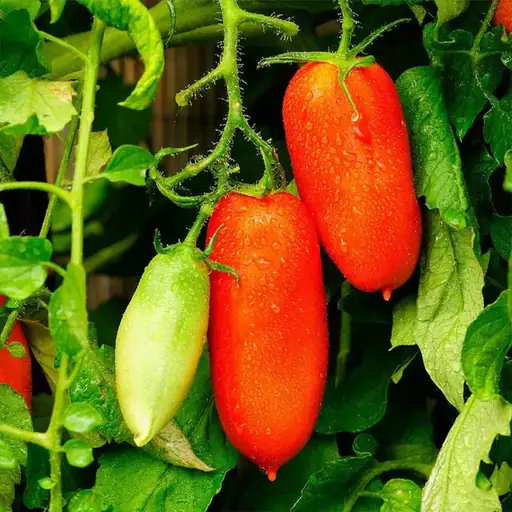
Semillas de tomate orgánico San Marzano para plantar en el jardín
Solicita un presupuesto personalizado

SKU: SNV8251
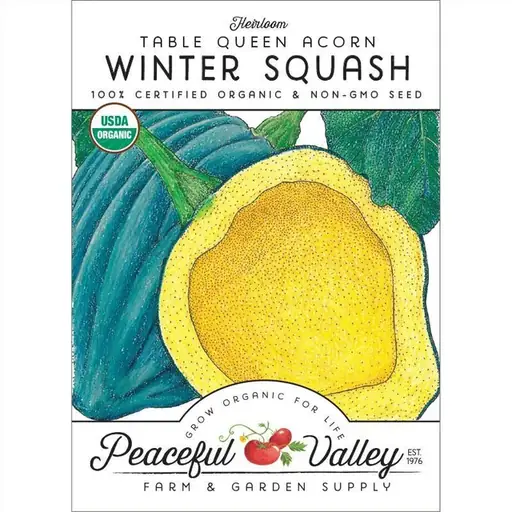
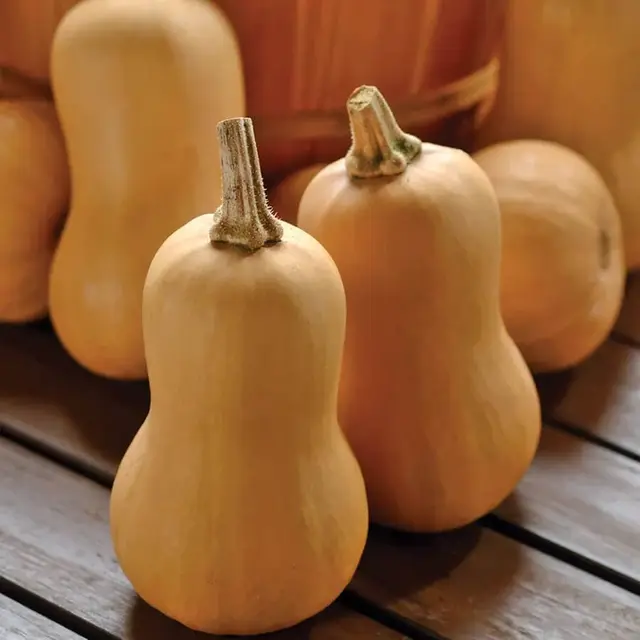
Winter Squash - Table Queen Acorn - Cucurbita pepo Tender Annual Heirloom. Ribbed fruit is 6" by 4", 1-2 lb with a small seed cavity and hard, green rind. Sweet flesh is light-yellow to deep-orange. The plant grows as a bush about 3' across and 10-12" high; very vigorous and prolific. Withstands.
Los precios, tamaños de los paquetes y disponibilidad se confirman en su presupuesto personalizado. Enviar una consulta no implica realizar un pedido pagado.
Winter Squash - Table Queen Acorn - Cucurbita pepo Tender Annual Heirloom. Ribbed fruit is 6" by 4", 1-2 lb with a small seed cavity and hard, green rind. Sweet flesh is light-yellow to deep-orange. The plant grows as a bush about 3' across and 10-12" high; very vigorous and prolific. Withstands poor soil conditions. Soil & Water: Provide squash plants with deep mounds of organic matter, rich soil, and heavy, even water. All squash are extremely frost sensitive, so use mulch to heat soils in early spring and row covers to protect from frost at both ends of the growing cycle, especially in short growing seasons.
Sow Table Queen Acorn Winter Squash after the soil has warmed and frost danger has passed, or transplant established seedlings without disturbing their roots more than necessary. Preserve the recorded spacing because broad leaves and vines can occupy more room than young plants suggest. Check soil moisture at root depth and direct water toward the soil. Once fruit develops, inspect plants frequently and harvest at the stage appropriate to summer or winter squash. Use clean cuts to avoid damaging stems.
Planting & Growing: Start seeds indoors 3-4 weeks before the last frost, or sow seed directly once soils are at least 70F.
Harvesting & Storage: Harvest when stems begin to shrivel or you can no longer pierce the skin with a thumbnail, but before the first hard frost.
Before sowing Table Queen Acorn Winter Squash, review the packet alongside the current product details and note any range in temperature, germination, or maturity. Ranges reflect biological and seasonal variation rather than a fixed promise. Label each planting with its date and location, then compare emergence, growth, and harvest with local weather. This record is useful for succession plantings and for deciding whether the crop fits better into an earlier or later seasonal window.
Explore related options in our recent blog.
SeleccionadoSolicita un presupuesto personalizado
 Seleccionado
Solicita un presupuesto personalizado
 Seleccionado
Solicita un presupuesto personalizado
 Seleccionado
Solicita un presupuesto personalizado
Preguntas y debate