 Ausgewählt
Die Seedsun-Auswahl
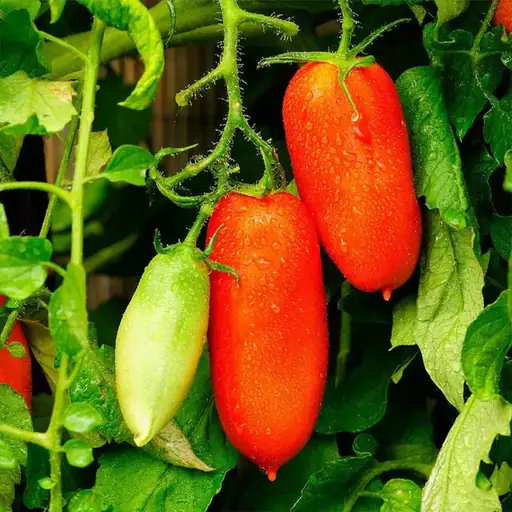
Bio-Tomatensamen der San Marzano-Linie für den Gartenanbau
Fordern Sie ein individuelles Angebot an

Artikelnummer: SNV8104
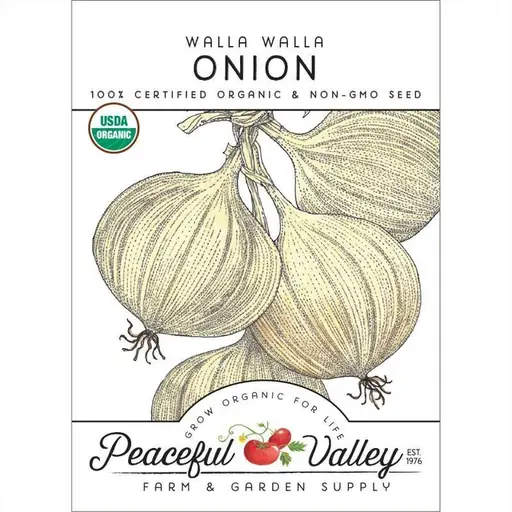
Walla Walla Onion is a cherished heirloom variety known for its large, sweet bulbs and mild, sugary flavor. Originating from the Walla Walla Valley in Washington, this variety has become a favorite for its notable taste and versatility in the kitchen. The golden-brown skin encases crisp, white.
Preise, Packungsgrößen und Verfügbarkeit werden in Ihrem persönlichen Angebot bestätigt. Mit dem Absenden einer Anfrage wird noch keine Bestellung aufgegeben.
Walla Walla Onion is a cherished heirloom variety known for its large, sweet bulbs and mild, sugary flavor. Originating from the Walla Walla Valley in Washington, this variety has become a favorite for its notable taste and versatility in the kitchen. The golden-brown skin encases crisp, white flesh that is perfect for fresh eating, grilling, caramelizing, or adding raw to salads and sandwiches. Thriving in full sun and nutrient-rich, well-draining soil, Walla Walla onions mature in about 110-120 days. While they perform well as a fall-planted crop in cooler climates, they also thrive in spring plantings in a variety of regions.
Sow Walla Walla Onion according to the local cool-season window and the recorded starting method. Give seedlings strong light when started indoors, then transplant or thin them to the listed spacing. Keep weeds from competing with the narrow foliage and evaluate soil moisture at root depth rather than using a universal schedule. Harvest leaves, stems, or mature bulbs according to the crop type. For storage types, allow curing after the neck and outer layers reach an appropriate stage.
Though Walla Walla onions are not ideal for long-term storage, their sweet flavor makes them suited for immediate use and culinary creations.
This variety’s large size, tender texture, and versatility in the kitchen make it a staple for gardeners who appreciate gourmet-quality produce.
Before sowing Walla Walla Onion, review the packet alongside the current product details and note any range in temperature, germination, or maturity. Ranges reflect biological and seasonal variation rather than a fixed promise. Label each planting with its date and location, then compare emergence, growth, and harvest with local weather. This record is useful for succession plantings and for deciding whether the crop fits better into an earlier or later seasonal window.
Explore related options in our Onion Growing Guide.
AusgewähltFordern Sie ein individuelles Angebot an
 Ausgewählt
Fordern Sie ein individuelles Angebot an
 Ausgewählt
Fordern Sie ein individuelles Angebot an
 Ausgewählt
Fordern Sie ein individuelles Angebot an
Fragen und Diskussion