
Diese Seite wird in ihrer Originalsprache angezeigt. Eine Übersetzung ist noch nicht verfügbar.
Die Seedsun-Auswahl
Viburnum tinus
Artikelnummer: VIBU-TINU-01G
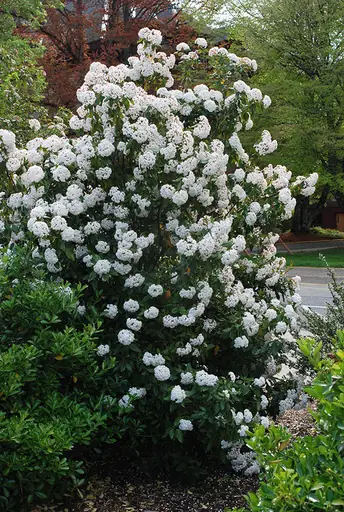
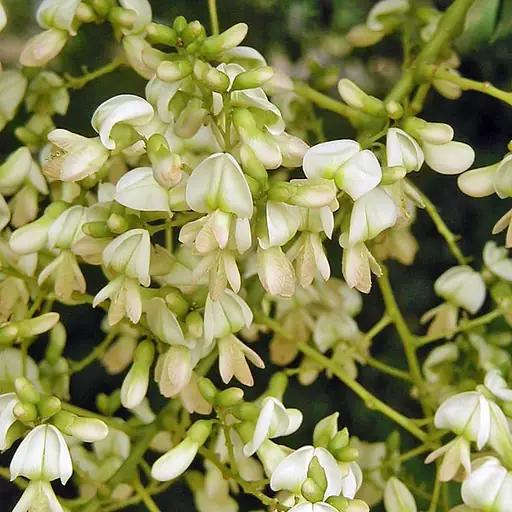
Laurustinus flowers when almost nothing else does. From late autumn the flat heads are already formed and waiting, tight clusters of deep pink buds sitting on the ends of the shoots, and through winter and into spring they open a few at a time into small fragrant white flowers, so the shrub carries.
Fordern Sie ein individuelles Angebot an
Preise, Packungsgrößen und Verfügbarkeit werden in Ihrem persönlichen Angebot bestätigt. Mit dem Absenden einer Anfrage wird noch keine Bestellung aufgegeben.
Erkundigen Sie sich nach Eignung, Aussaat- und Anbaubedingungen.
Bitte prüfen Sie die Lieferoptionen und die benötigten Dokumente in Ihrem Angebot.
Über diese Sorte
Laurustinus flowers when almost nothing else does. From late autumn the flat heads are already formed and waiting, tight clusters of deep pink buds sitting on the ends of the shoots, and through winter and into spring they open a few at a time into small fragrant white flowers, so the shrub carries pink and white together for months. The leaves are lustrous and leathery, dark above and noticeably paler beneath, held densely enough that the plant works as a screen the whole year. What follows the flowers is stranger and better: ovoid fruits of a hard metallic blue, almost enameled, ripening slowly to black.
Viburnum tinus comes from the Mediterranean basin, a standard shrub of the maquis from Portugal to Turkey and across North Africa, and has been in gardens for as long as anyone has kept records of gardens. Tinus was the plant's Latin name in classical times and Pliny wrote about the shrub under it; laurustinus simply welds that ancient name to laurel, for the look of the leaves. The genus sits in Adoxaceae now, having been moved out of the honeysuckle family, in the company of the elders. In Mediterranean folk medicine the leaves and fruit had a modest reputation, but that is history and not a use we recommend.
One practical note the old catalogs always flagged: laurustinus is reported to be poorly self-fertile, so a lone plant may flower beautifully for years and never set that metallic blue fruit. Two or more plants of different clonal origin, set within reach of the same bees, is the reliable way to get berries. The winter flowers are a genuine resource for whatever is flying on a mild January day, and the fruit feeds birds well into spring, which is also the source of one of the cautions below.
Grow laurustinus in full sun to part shade in ordinary well-drained soil, as a hedge, a screen, an informal evergreen backdrop, or clipped into something more formal, since the plant takes shearing without sulking. Reckon on six to twelve feet unless cut back. Hardy through USDA zones 8 to 10, and worth a sheltered wall at the cold edge. Two honest cautions. The berries are mildly toxic and best left to the birds rather than to children. And birds are efficient dispersers: Viburnum tinus has naturalized in parts of Oregon and California and is treated as invasive there, so gardeners on the West Coast should check locally before planting.
Photos courtesy of Oregon State University
Es gibt noch mehr zu entdecken
Fragen und Diskussion