 Ausgewählt
Die Seedsun-Auswahl
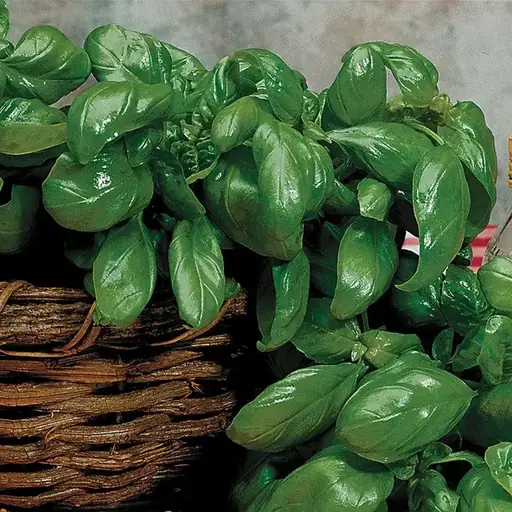
Samen von großblättrigem italienischem Basilikum für die Gartenpflanzung
Fordern Sie ein individuelles Angebot an

Artikelnummer: 95274
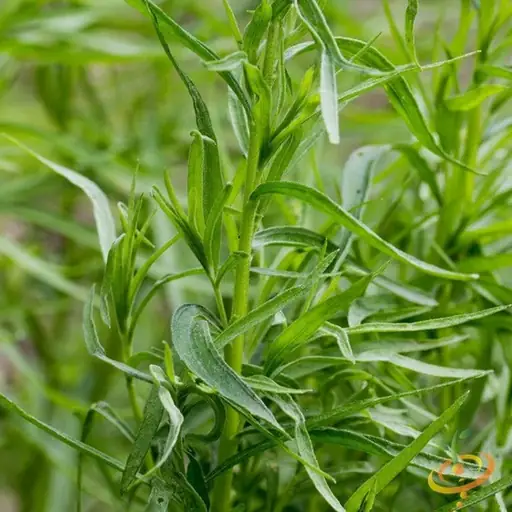
What Is Tarragon? Tarragon, often called "dragon wort," is a perennial herb prized for its delicate, slightly sweet flavor with subtle anise notes. This elegant plant has been a staple in French cuisine for centuries and is one of the four herbs in the classic French bouquet garni. Whether you're.
Preise, Packungsgrößen und Verfügbarkeit werden in Ihrem persönlichen Angebot bestätigt. Mit dem Absenden einer Anfrage wird noch keine Bestellung aufgegeben.
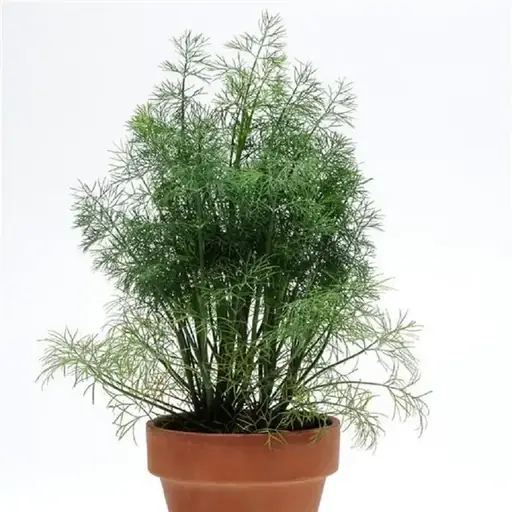
Tarragon, often called "dragon wort," is a perennial herb prized for its delicate, slightly sweet flavor with subtle anise notes. This elegant plant has been a staple in French cuisine for centuries and is one of the four herbs in the classic French bouquet garni. Whether you're an experienced gardener or just starting out, tarragon is a rewarding herb to grow at home.
Tarragon thrives in well-draining soil and prefers full sun to partial shade. Plant it in a location where it receives at least six hours of sunlight daily for the best flavor development. The herb is relatively low-maintenance once established, though it appreciates consistent moisture during the growing season. Space plants about 12 inches apart to allow for good air circulation.
This herb is hardy in most climates and can be grown as a perennial in cooler regions. In warmer areas, it may benefit from afternoon shade to prevent the plant from becoming stressed during intense heat. Tarragon typically reaches a height of 24 to 36 inches and produces small, pale yellow flowers.
Begin harvesting tarragon leaves once the plant is established, typically in mid-summer. Pinch off the top leaves regularly to encourage bushier growth and prevent flowering, which can diminish leaf flavor. Fresh tarragon leaves can be used immediately in the kitchen, while dried tarragon stores well in an airtight container for several months.
Tarragon is incredibly versatile in the kitchen. Use it to flavor vinegars, dress salads, season fish and chicken dishes, or add a sophisticated touch to sauces and soups. Its subtle flavor pairs beautifully with eggs, vegetables, and light cream-based dishes.
Water tarragon regularly but avoid overwatering, as the plant prefers slightly dry conditions between waterings. Fertilize lightly in spring with a balanced, slow-release fertilizer. Prune back the plant in late fall or early spring to maintain its shape and encourage vigorous new growth.
In colder climates, mulch around the base of the plant in winter to protect the roots from freezing temperatures. With proper care, a single tarragon plant can provide fresh leaves for years to come.
Plant seeds indoors or outdoors in well-drained soil with full sun exposure. Keep soil moist but not waterlogged. Transplant seedlings when they are 10–15 cm tall into larger containers or garden beds. Tarragon requires minimal fertilization but benefits from periodic feeding with a balanced fertilizer. The plant is perennial in suitable climates. No specific warranty applies; store seeds in a cool, dry place for extended viability. For best results, reseed annually or as needed.
AusgewähltFordern Sie ein individuelles Angebot an
Fordern Sie ein individuelles Angebot an
Fordern Sie ein individuelles Angebot an
Fordern Sie ein individuelles Angebot an
Fragen und Diskussion