Die Seedsun-Auswahl
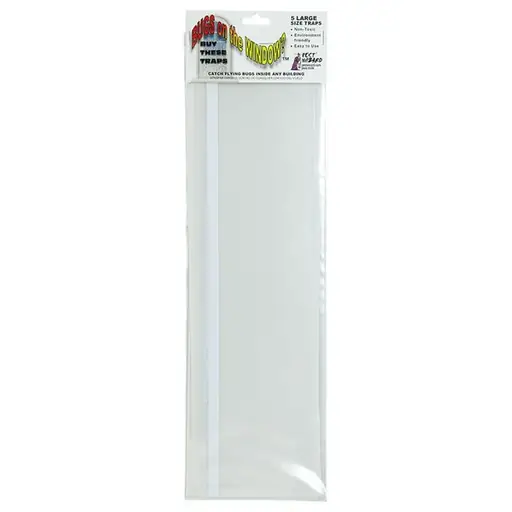
Pest Wizard BUGS on the WINDOW? Large 5-Pack
Fordern Sie ein individuelles Angebot an

Artikelnummer: BF1016
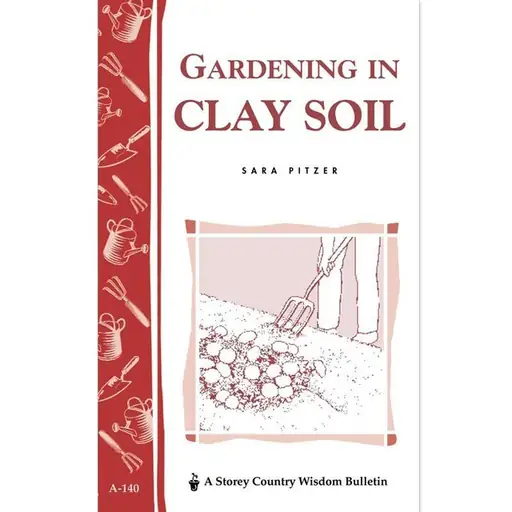
Has your garden struggled because your soil is clay? Storey's Country Wisdom Bulletins feature 32 pages of practical, hands-on instructions designed to help you overcome your gardening challenges!Learn the rules for gardening in clay soil, including which inorganic and organic additives help.
Preise, Packungsgrößen und Verfügbarkeit werden in Ihrem persönlichen Angebot bestätigt. Mit dem Absenden einer Anfrage wird noch keine Bestellung aufgegeben.
Has your garden struggled because your soil is clay? Storey's Country Wisdom Bulletins feature 32 pages of practical, hands-on instructions designed to help you overcome your gardening challenges!
Learn the rules for gardening in clay soil, including
by Sara Pitzer. Softcover. 32 pages. Storey Publishing, LLC 1995.
Gardening in Clay Soil: Turning Challenges into Opportunities
Gardening in clay soil can often feel like a daunting task due to its dense structure and poor drainage. However, with the right knowledge and approach, gardening in clay soil can be incredibly rewarding. Drawing insights from Sara Pitzer's book "Gardening In Clay Soil", this summary aims to provide you with valuable tips and strategies to transform your clay soil garden into a thriving oasis.
Understanding Clay Soil
Clay soil is made up of very fine particles that stick together, leading to its characteristic heavy and sticky texture when wet, and hard, compact nature when dry. This soil type can hold nutrients well but often struggles with drainage and aeration.
Advantages of Clay Soil
Despite its challenges, clay soil has several advantages. It's nutrient-rich, holding more minerals than sandy or loamy soils. This richness can support a wide range of plant life if managed correctly.
Improving Clay Soil Structure
Organic Matter: Incorporating organic matter is key. Compost, well-rotted manure, or leaf mold improves the soil structure, drainage, and aeration.
Inorganic Additives: Gypsum and sand can also help improve the soil structure. Gypsum improves drainage and soil structure without altering the soil's pH. Sand can improve soil drainage but requires significant quantities to be effective.
Raised Beds: Creating raised beds can alleviate many clay soil problems by improving drainage and making soil easier to work with.
Watering and Fertilizing Clay Soil
Watering clay soil requires a careful approach. Over-watering can lead to waterlogging, while under-watering can make the soil brick-hard and impede plant growth. Drip irrigation systems can provide consistent, moderate moisture levels beneficial for clay soil.
When it comes to fertilizing, slow-release or organic fertilizers are preferable. They provide a steady supply of nutrients without the risk of leaching or overwhelming the soil.
Choosing the Right Plants
Some plants thrive in clay soil, including many perennials, shrubs, and trees. Look for plants that prefer or tolerate heavy soil conditions. Some examples include:
Perennials: Astilbe, Hosta, and Echinacea
Shrubs: Lilac, Viburnum, and Forsythia
Trees: Maple, Elm, and Crabapple
Cultivating Clay Soil
Tilling or digging clay soil should be done with caution. Avoid working the soil when it's too wet or too dry to prevent damaging its structure. Adding organic matter can be done during the fall or spring when the soil is workable.
Mulching
Mulching is beneficial for clay soils as it helps retain moisture, suppress weeds, and gradually improve soil quality as it decomposes. Organic mulches like straw, bark chips, or leaf mold are excellent choices.
Dealing with Compaction
Clay soil is prone to compaction, which can be alleviated by avoiding walking on wet soil and using stepping stones or paths to distribute weight evenly.
Seasonal Care
In winter, covering the soil with mulch or planting cover crops can protect and improve clay soil. In spring, wait until the soil is dry enough before planting or tilling.
Conclusion
Gardening in clay soil is undoubtedly challenging, but it's also rich with potential. By understanding and respecting the nature of clay soil and implementing the right strategies, you can create a lush and productive garden. Embrace the challenge, and you'll be rewarded with a garden that's as resilient as it is beautiful.
Remember, every soil type has its unique characteristics and challenges. The key to successful gardening in clay soil lies in understanding these characteristics and working with them, rather than against them. With patience, care, and the right techniques, your clay soil garden will not only thrive but also become a source of great joy and pride.
Fordern Sie ein individuelles Angebot an
Fordern Sie ein individuelles Angebot an
Fragen und Diskussion