 Ausgewählt
Die Seedsun-Auswahl
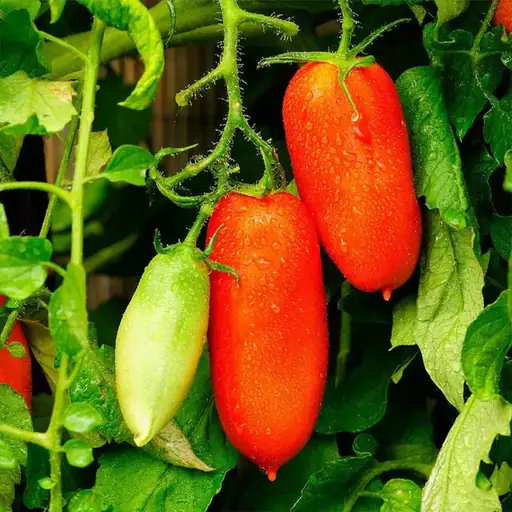
Bio-Tomatensamen der San Marzano-Linie für den Gartenanbau
Fordern Sie ein individuelles Angebot an

Artikelnummer: 95121
Exploring the Cardoon Herb Cardoon is a striking perennial herb that's often overlooked by home gardeners, yet it deserves a prominent place in any garden. Related to the artichoke, cardoon produces tall, silvery-green foliage and impressive thistle-like flowers. Beyond its ornamental appeal, this.
Preise, Packungsgrößen und Verfügbarkeit werden in Ihrem persönlichen Angebot bestätigt. Mit dem Absenden einer Anfrage wird noch keine Bestellung aufgegeben.
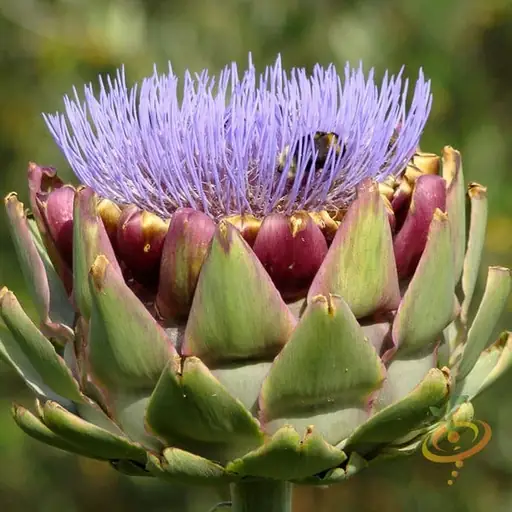
Cardoon is a striking perennial herb that's often overlooked by home gardeners, yet it deserves a prominent place in any garden. Related to the artichoke, cardoon produces tall, silvery-green foliage and impressive thistle-like flowers. Beyond its ornamental appeal, this Mediterranean native offers culinary and medicinal benefits that have been valued for generations.
Cardoon is a robust plant that can reach 3 to 4 feet in height, making it an excellent choice for creating vertical interest in garden beds. The plant features deeply lobed, silvery leaves that catch the light beautifully, and produces purple or blue flowers that attract pollinators. Both the stems and roots are edible, with a flavor reminiscent of artichoke hearts.
Cardoon thrives in full sun and well-draining soil. It's remarkably tolerant of poor soil conditions and drought, making it ideal for gardeners in drier climates. Start seeds indoors 6 to 8 weeks before the last frost, or direct sow after the danger of frost has passed. Space plants about 2 to 3 feet apart to allow room for their sprawling growth habit.
Once established, cardoon requires minimal care. Water during extended dry periods, but the plant is quite drought-tolerant once its root system is developed. Cardoon doesn't need heavy fertilization and actually prefers leaner soil. Deadhead spent flowers to encourage continued blooming, or leave them to attract beneficial insects and pollinators to your garden.
The edible stems are best harvested in the plant's second year, typically in late fall or early winter. Blanch the stems by wrapping them with burlap or cardboard several weeks before harvest to make them more tender and mild. The roots can also be dug and used, and the flowers are beautiful additions to fresh arrangements.
Cardoon is a conversation starter in any garden. Its architectural form and silvery foliage provide year-round interest, while its edible and medicinal properties add practical value. The plant attracts pollinators and beneficial insects, supports your garden's ecosystem, and requires remarkably little maintenance once established.
Cardoon is an artichoke thistle. It has become an extremely important medicinal herb in recent years following the discovery of cynarin.| Good Companion Plants for Artichokes | 📚 Artichoke Grow Guide |
AusgewähltFordern Sie ein individuelles Angebot an
 Ausgewählt
Fordern Sie ein individuelles Angebot an
 Ausgewählt
Fordern Sie ein individuelles Angebot an
 Ausgewählt
Fordern Sie ein individuelles Angebot an
Fragen und Diskussion