 Ausgewählt
Die Seedsun-Auswahl
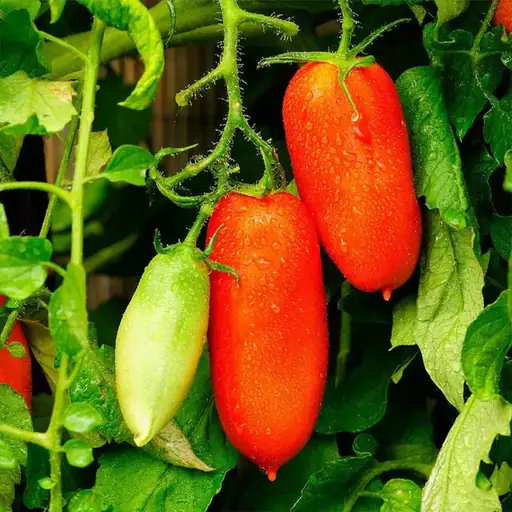
Bio-Tomatensamen der San Marzano-Linie für den Gartenanbau
Fordern Sie ein individuelles Angebot an

Artikelnummer: SNV8341
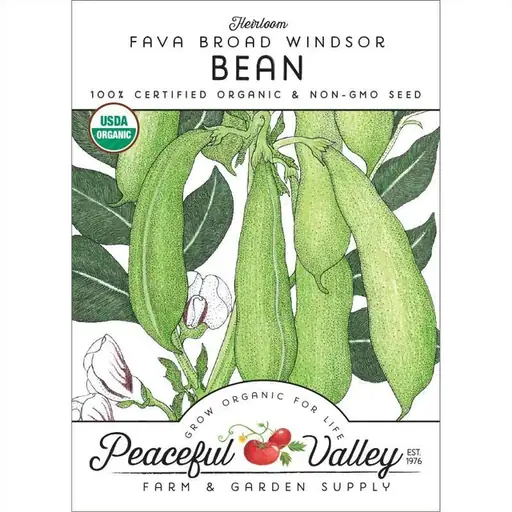
Broad Windsor Fava Bean is a classic heirloom variety cherished for its large, green pods and creamy, flavorful seeds. Each pod grows up to 6-8 inches long, containing 4-6 plump beans that can be eaten fresh or dried for long-term storage. The beans have a rich, nutty flavor and creamy texture,.
Preise, Packungsgrößen und Verfügbarkeit werden in Ihrem persönlichen Angebot bestätigt. Mit dem Absenden einer Anfrage wird noch keine Bestellung aufgegeben.
Broad Windsor Fava Bean is a classic heirloom variety cherished for its large, green pods and creamy, flavorful seeds. Each pod grows up to 6-8 inches long, containing 4-6 plump beans that can be eaten fresh or dried for long-term storage. The beans have a rich, nutty flavor and creamy texture, making them perfect for soups, stews, salads, or as a simple side dish. Thriving in full sun and well-draining soil, Broad Windsor Fava Beans are a cool-season crop, maturing in about 75-85 days.
Sow Broad Windsor Fava Bean after the soil has warmed and cold, wet conditions have passed. Use the recorded spacing and provide support when the variety has a climbing habit. Check moisture at root depth, especially during flowering and pod development, while avoiding a rigid calendar. Harvest pods at the stage described for the variety and continue checking plants as more pods develop. Allow seed-saving or dry-bean pods to mature according to the intended use.
The tall, sturdy plants can grow up to 4 feet tall and produce beautiful white flowers with black markings, adding ornamental value to your garden.
This variety also enriches the soil by fixing nitrogen, benefiting other crops in your rotation.
Easy to grow and productive, Broad Windsor Fava Beans are a rewarding addition to any garden.
Before sowing Broad Windsor Fava Bean, review the packet alongside the current product details and note any range in temperature, germination, or maturity. Ranges reflect biological and seasonal variation rather than a fixed promise. Label each planting with its date and location, then compare emergence, growth, and harvest with local weather. This record is useful for succession plantings and for deciding whether the crop fits better into an earlier or later seasonal window.
Explore related options in our Resource Guide.
AusgewähltFordern Sie ein individuelles Angebot an
 Ausgewählt
Fordern Sie ein individuelles Angebot an
 Ausgewählt
Fordern Sie ein individuelles Angebot an
 Ausgewählt
Fordern Sie ein individuelles Angebot an
Fragen und Diskussion